
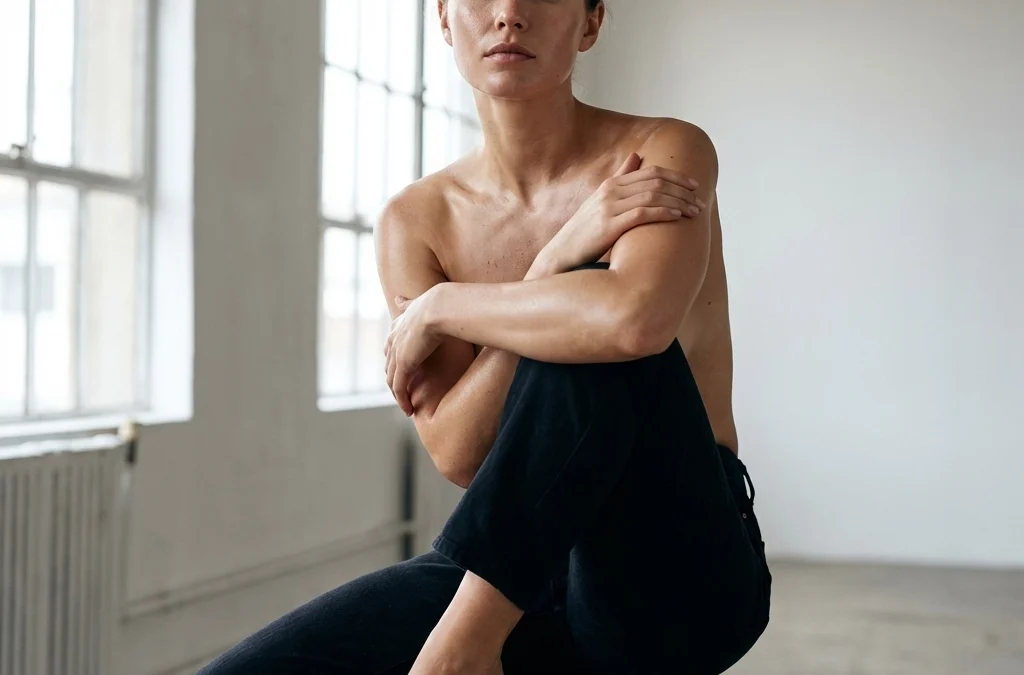
Creating high-end erotic photography isn't just about showing skin; it’s about capturing the raw, pulse-pounding tension between the lens and the subject. When we talk about "hardcore fine art," we’re moving past the polite boundaries of traditional portraiture and stepping into a world where shadow, sweat, and curves tell a story that is as much about desire as it is about composition. If you want to master how to photograph nude models, you have to be willing to look at the human body as a living landscape of light and shadow.
At the Fine Art Nude Club, we live for the intersection of high-art aesthetics and raw sexuality. Whether you are shooting in a dim studio or on a sun-drenched beach, the goal is to create something that feels visceral and timeless. This guide will walk you through the technical, artistic, and interpersonal skills you need to elevate your nude photography from mere snapshots to masterpieces.
Setting the Scene and the Mood
Before the first piece of clothing hits the floor, the vibe needs to be right. Professionalism is your foundation, but a relaxed, sexy atmosphere is what gets the best results. You aren’t just a technician; you’re a director. You need to communicate your vision clearly and make the model feel like the goddess she is.
The environment should be warm, literally. A cold model is a tense model, and goosebumps (unless you’re going for a specific raw, cold look) can break the flow of a shoot. Play music that fits the aesthetic. If you’re aiming for something dark and moody, maybe some low-tempo trip-hop. If it’s high-energy erotic nude photography, keep the tempo up.
Technical Mastery: Lighting the Body
Lighting is the difference between a flat, boring image and a piece of art that makes the viewer catch their breath. In fine art nude photography, we often prioritize shadows over highlights. Shadows define the musculature, the dip of the waist, and the swell of the breasts.
Soft Light vs. Hard Light
Soft, diffused light is the gold standard for many because it wraps around the body, smoothing out skin imperfections while still highlighting form. However, don’t be afraid of hard light. Hard light creates sharp, dramatic transitions that can make an image feel aggressive and "hardcore."
If you’re just starting out, natural window light is your best friend. Position your model so the light rakes across her body at an angle. This "rim lighting" or backlighting is a staple in art nude photography because it separates the subject from the background and emphasizes the silhouette. To see how these lighting setups look in a real-world scenario, you can explore our fine art nude tutorial series, where we break down specific studio setups.
Exposure and Camera Settings
You want your subject to pop. To achieve that buttery, blurred background that draws all focus to the skin, you need a wide aperture. Shoot at f/1.4, f/1.8, or f/2.8. This shallow depth of field is essential for creating that intimate, high-end feel.
Keep your ISO as low as possible (ideally 100) to maintain sharpness and avoid "noise," though a little grain can sometimes add a gritty, film-like eroticism to the shot. Your shutter speed should stay above 1/100s to avoid any blur from the model’s breathing or slight movements, unless you are intentionally experimenting with motion blur for a more abstract effect.
Posing Nude Models: The Art of the Curve
Posing is where most photographers struggle. The key is "flow posing." Don't ask a model to hit a static pose and stay there like a statue. Instead, let her move. Give her a starting point: perhaps bottomless and leaning against a velvet chair: and then let her adjust her weight, run her hands through her hair, or arch her back naturally.
The Power of Triangles
One of the best nude photography tips is to look for triangles. When a model bends an elbow, a knee, or tilts her head, she creates geometric shapes that lead the viewer's eye around the frame. Avoid flat limbs; if it bends, bend it. This adds volume and dimension to the body.
Directing the Gaze
The eyes are the windows to the intent of the shoot. A model looking directly into the lens with a "f*** you" stare creates a hardcore, confrontational energy. A model with her eyes closed or looking away suggests a more private, voyeuristic moment. If you're struggling to visualize new poses or need a creative spark before your next shoot, using an AI companion like CandyAI can be a great way to explore different "looks" and body types to see how light hits various forms before you even step into the studio.

Styling and Texture
Just because it’s nude photography doesn't mean you can't use props or clothing to enhance the eroticism. Think about contrast. The softness of skin against black lace or the ruggedness of camo can create a narrative that skin alone cannot.
- Lingerie: Pieces like black lingerie or black leggings provide frames for the body, drawing the eye to the parts that remain exposed.
- Footwear: Sometimes, a pair of black boots is all you need to turn a standard nude into a powerful, dominant statement.
- Liquids: Oil or water can make the skin catch the light in spectacular ways, emphasizing the "erotic" in erotic nude photography.
Location Scouting: From Studio to Street
Where you shoot dictates the story. A studio offers total control, allowing you to master lighting for nude photography without the unpredictability of nature. But taking a model like Amber out into the world: perhaps for some amber topless standing shots in an abandoned building or a lush forest: adds an element of danger and raw beauty.
Always scout your locations beforehand. Look for textures: peeling paint, soft sand, or harsh concrete. The environment should complement the model's form, not distract from it. If you’re shooting on a beach, the golden hour (just before sunset) is your best friend, providing a warm glow that makes skin look incredible.

Post-Processing: Refining the Eroticism
The shoot is only half the battle. Post-processing is where you polish the raw files into fine art.
- Black and White vs. Color: Black and white is a classic for art nude photography because it removes the distraction of color and focuses purely on form, light, and shadow. It feels timeless and sophisticated. Color, on the other hand, can be used to highlight the warmth of the skin or the specific hue of a model’s environment.
- Retouching: Don’t overdo it. The trend in hardcore fine art is moving away from "plastic" skin and toward a more realistic, raw look. Keep the pores, keep the slight imperfections; they make the image feel real and touchable.
- Contrast and Clarity: Pushing the contrast can help define the muscles and the "edges" of the model, making the image pop off the screen.
Building a Professional Portfolio
To succeed in this industry, you need a portfolio that shows you can handle both the artistic and the erotic. Don't just dump every photo from a shoot into your gallery. Curate. Choose the shots that tell a story. Whether it’s a video tutorial style behind-the-scenes look or a series of stills, your work should reflect a consistent "eye."
Working with top-tier models like Ashley or Amber Bassick requires a portfolio that proves you are a professional who respects the craft. They want to know that the resulting images will be high-end and elevate their own brands.
Join the Elite
Mastering the art of photographing nude models is a lifelong journey. The human form is the most complex and beautiful subject you will ever face. If you’re ready to take your skills to the next level and get access to exclusive content, behind-the-scenes footage, and the best community in the industry, you need to be a part of what we’re building.
To dive deeper into the technical side and see the masters at work, head over to the Fine Art Nude Club membership page and sign up today. You'll gain access to everything from lighting breakdowns to full-length galleries that define what it means to create hardcore fine art in the modern age. Don't settle for mediocre shots: join us and start creating images that leave a lasting impression.