
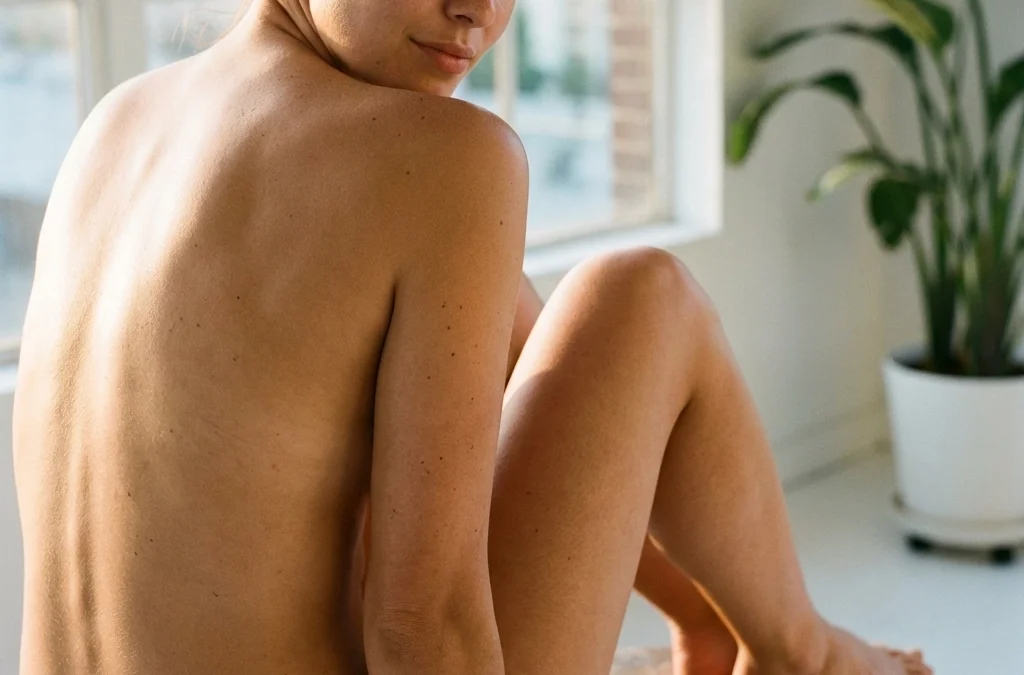
There is something inherently raw and undeniably powerful about the naked female form. In the world of fine art nude photography, we aren’t just taking pictures of bodies; we are capturing an energy, a mood, and a timeless aesthetic that bridges the gap between classic art and modern eroticism. Whether you’re a seasoned pro or just starting to dip your toes into art nude photography, understanding the balance between technical precision and raw, emotional storytelling is what separates a snapshot from a masterpiece.
To truly excel at nude photography, you have to move past the initial nerves and focus on the light, the lines, and the narrative. It’s about more than just skin: it’s about how that skin interacts with the world around it. This guide is designed to take you through the essentials, from the technical settings to the intimate art of posing nude models, ensuring every shutter click brings you closer to that high-end, gallery-quality result.
The Foundation: Concept Over Perfection
Before you even pick up your camera, you need a vision. Fine art nude photography is less about technical perfection and more about conveying a concept. Are you looking for something soft, romantic, and ethereal? Or are you aiming for high-contrast, edgy, and provocative erotic nude photography?
The most successful shoots happen when you’ve mapped out the "vibe" beforehand. I often find that visualizing the end result helps in communicating with the model. If you’re ever struggling to find inspiration or want to experiment with different aesthetics and lighting setups before your subject even steps into the studio, using a tool like CandyAI can be a fantastic way to generate reference images and explore new creative boundaries. Having a clear reference point allows you to direct your model with confidence, turning a simple session into an intentional work of art.
Mastering the Light: Shadows are Your Best Friend
In erotic photography, lighting is your most potent tool. While many beginners think they need a massive studio setup, some of the most stunning art nude photography is created using nothing more than a single window and a reflector.
The Magic of Natural Light
Natural light has a way of wrapping around the curves of a woman’s body that artificial light often struggles to replicate. A large window with soft, diffused light creates a beautiful transition from highlight to shadow, smoothing out skin textures while emphasizing the three-dimensional form of the model. If you find the light is too harsh, a simple sheer curtain can act as a massive softbox.
Dramatic Shadows
Don't be afraid of the dark. In fine art nudes, shadows provide the drama. They create mystery and draw the viewer’s eye to specific details: the arch of a back, the curve of a hip, or the line of a neck. By using "low-key" lighting, where the majority of the frame is in shadow, you can create a high-end erotic feel that is both sophisticated and incredibly sexy.

Technical Settings for the Modern Artist
You can have the best model and the best lighting, but if your technical settings are off, the image will fall flat. For nude photography tips that actually make a difference, focus on your depth of field and your file format.
- Aperture and Depth: Shooting around f/5.6 is often a sweet spot. It provides enough depth of field to keep the model's entire body in focus while still offering a gentle blur to the background. However, if you want a more intimate, boudoir-style feel, opening up to f/1.8 or f/2.8 can draw all the attention to a specific feature, like the eyes or the curve of a shoulder.
- The RAW Advantage: Always shoot in RAW. When you’re dealing with skin tones and delicate highlights, you need every bit of data your sensor can capture. This is especially crucial for black and white conversions, where you’ll want to manipulate the color channels to get those silvery, metallic skin tones that define high-end art nude photography.
- Lens Choice: Prime lenses are king here. A 50mm or 85mm lens offers a perspective that is close to the human eye, avoiding the distortion that wide-angle lenses can cause, which often makes limbs look unnaturally long or body parts look out of proportion.
Posing Nude Models: The Art of Direction
Directing a woman in front of a camera is a delicate dance. Your job is to make her feel like a goddess while ensuring the composition remains balanced and artistic. This is where many photographers stumble.
Instead of sticking to one spot, move around. Change your perspective. Get low on the ground to make the model appear more statuesque and powerful. Climb a ladder to look down and focus on the patterns created by her limbs. When you’re looking for specific boudoir photography poses, remember that tension is key. Ask your model to engage her core, extend her toes, and create space between her arms and her torso. This "negative space" prevents the body from looking like a flat mass and highlights the natural geometry of the female form.
Communication is everything. Always discuss the creative vision before the clothes come off. When the model understands the story you’re trying to tell, she becomes a collaborator rather than just a subject. This synergy is exactly what we teach in our tutorials deep-dive, where we break down the nuances of model interaction and posing.

The Body as a Landscape
One of the most effective ways to approach fine art nude photography is to stop seeing a "person" and start seeing a "landscape." Look for the hills and valleys of the body. Focus on the textures: the way light catches the fine hairs on the skin, the goosebumps in a cool studio, or the sheen of oil on a shoulder blade.
By zooming in on intimate details: a macro shot of a collarbone or the small of the back: you create a narrative that is deeply personal and evocative. This approach takes the focus away from the explicit and places it firmly on the aesthetic. It’s a technique that elevates erotic nude photography into the realm of high art, making the images feel both timeless and contemporary.
Location and Atmosphere
Whether you’re in a minimalist studio or a rugged outdoor setting, the environment should complement the model’s skin tones and the overall mood. If you're shooting outdoors, the "Golden Hour" is your best friend. The warm, low-angled sun provides a natural glow that makes skin look radiant.
In an indoor setting, think about your textures. Using soft materials like silks, lace, or even simple cotton sheets can add a layer of tactile interest to your photos. The contrast between a model’s soft skin and a rough concrete wall or a plush velvet sofa can create a visual tension that is incredibly effective in art nude photography.

Post-Processing: Refining the Vision
The shoot doesn't end when the model leaves. Post-processing is where you bake in the final mood. While color photography can be vibrant and lifelike, many fine art photographers prefer black and white. Removing color forces the viewer to focus on the form, the texture, and the play of light.
When editing, pay close attention to the skin. You want it to look natural, not plastic. Use frequency separation sparingly if you must retouch, but often, leaving the natural "imperfections": freckles, subtle veins, or skin texture: adds a layer of authenticity and rawness that is highly sought after in the professional world.
If you’re serious about mastering these techniques and want to see how the pros handle everything from lighting setups to final edits, you need to be part of a community that shares your passion. By signing up for a Fine Art Nude Club membership, you get exclusive access to behind-the-scenes content and advanced strategies that you won't find anywhere else.
Final Thoughts
Fine art nude photography is a journey of constant discovery. It’s about learning to see the world: and the human body: in a way that most people never do. It requires patience, respect, and a relentless drive to find beauty in the simplest of forms.
Remember, the best equipment in the world won't save a boring concept. Focus on the emotion, the light, and the connection with your model. Keep experimenting with new nude photography tips and never stop pushing the boundaries of what you think is possible.
Whether you are looking to build a professional portfolio or simply want to capture the breathtaking beauty of the female form for your own personal collection, the key is to start shooting. Every session is an opportunity to learn something new about your craft. For more inspiration and deep-dive guides on every aspect of the industry, make sure to explore our full range of resources and join the elite ranks of photographers in the Fine Art Nude Club membership. The world of high-end erotic art is waiting for you.
