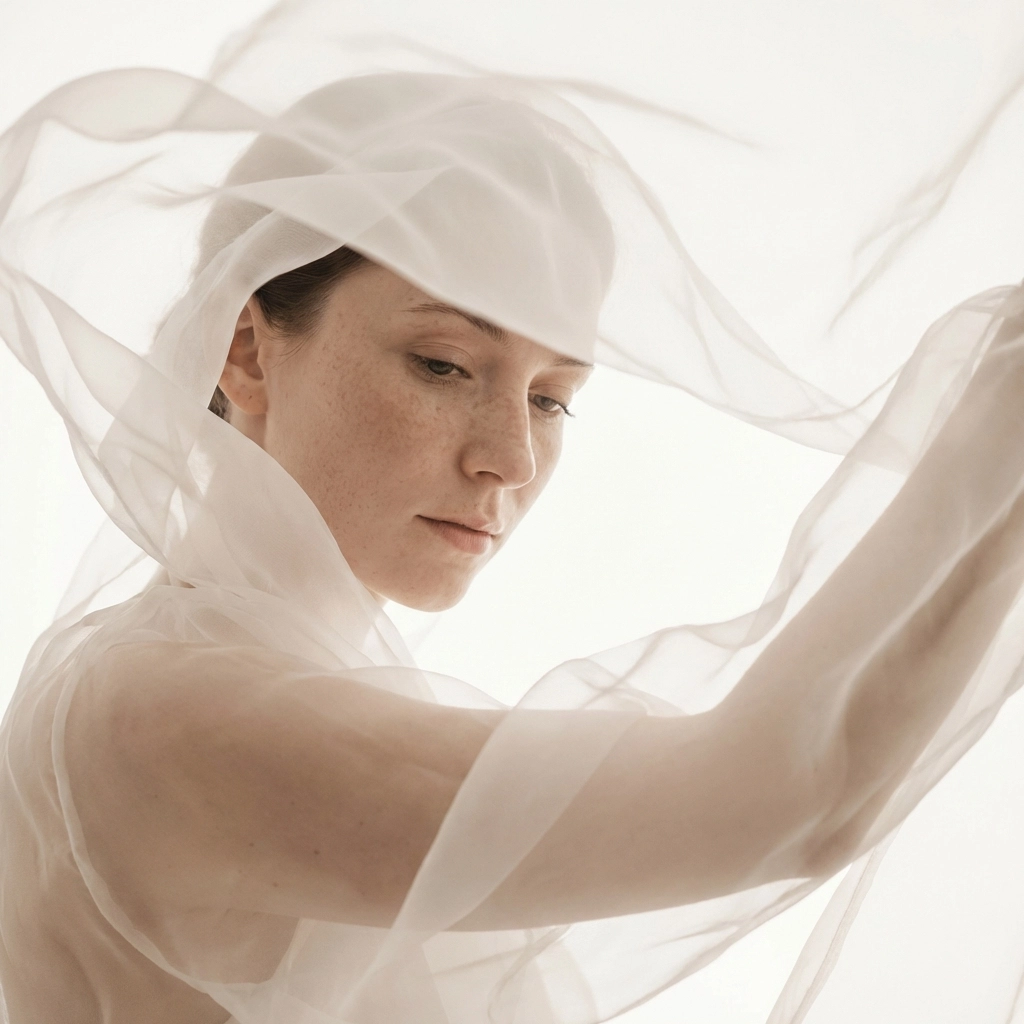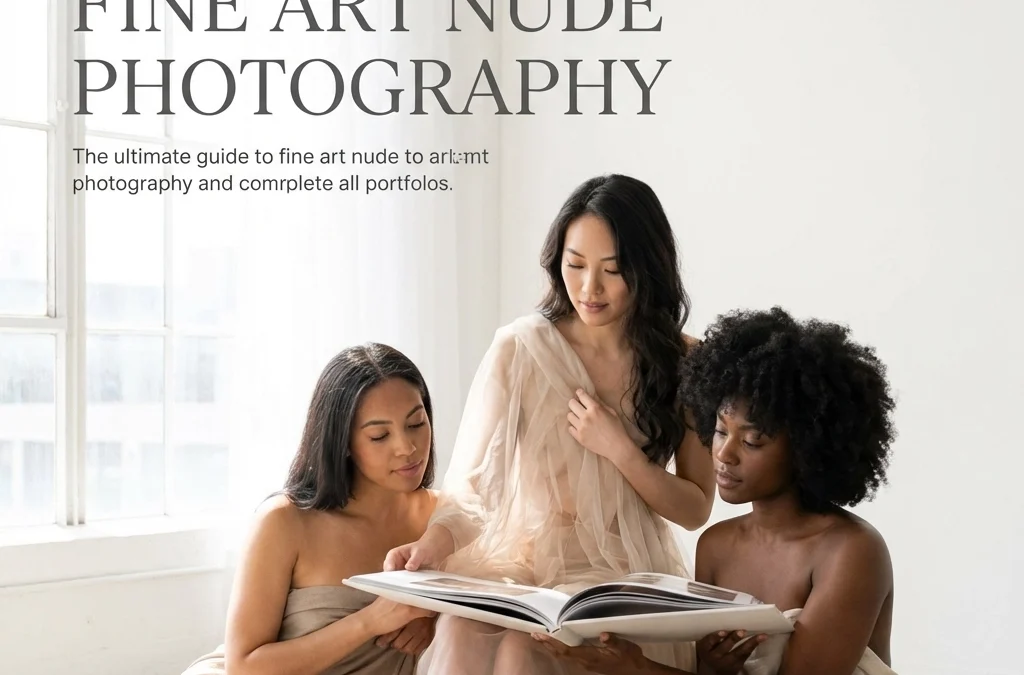
Fine art nude photography is one of the most challenging and rewarding genres in the photographic world. It’s not just about taking clothes off; it’s about stripping away the noise to reveal the raw, architectural beauty of the human form. When you approach the body as a landscape of curves, shadows, and textures, you transcend simple portraiture and move into the realm of true art.
Whether you are just starting out or you’re a seasoned pro looking to refine your style, succeeding in this field requires a blend of technical mastery, psychological intuition, and a clear artistic vision. In this guide, we’re going to break down the essentials: from the initial spark of an idea to the final edit: to help you create images that resonate on a deeper level.
The Philosophy of the Human Landscape
Before you even pick up your camera, you have to decide what you want to say. Fine art nude photography should prioritize concept and emotion over technical perfection. Think of the body as a canvas or a mountain range. The way a collarbone catches the light or the curve of a hip creates a silhouette is just as much a "landscape" as a desert at sunset.
Start by developing a narrative. Are you exploring themes of vulnerability, strength, or perhaps the intersection of nature and skin? I always recommend sketching your ideas or writing down a few keywords before a shoot. This planning phase ensures that when the model arrives, you aren't just "winging it." You are executing a vision. If you’re ever feeling a creative block, I find that playing with AI generation can spark some incredible visual ideas; using CandyAI to experiment with different lighting scenarios and character types can help you visualize a shoot before it even happens.
Technical Mastery: The Settings that Matter
While the soul of the image is the concept, the bones are your technical settings. To get that high-end, gallery-ready look, you need to master the exposure triangle.
- Aperture: For that soft, dreamy look that makes skin appear like silk, use a wide aperture (f/1.4 to f/2.8). This creates a shallow depth of field, separating your subject from the background and drawing all the attention to the curves and textures of the body.
- ISO: Keep it as low as possible (ISO 100 is the gold standard) to ensure your images are crisp and free of digital noise. Fine art photography is often printed large, and you want every detail to be sharp.
- Shutter Speed: Since you’re likely working in a controlled environment, aim for at least 1/100s to avoid any micro-blur from handholding the camera.
Always, always shoot in RAW format. This gives you the maximum amount of data to work with during post-production, especially when you’re fine-tuning skin tones or converting to black and white.
Sculpting with Light and Shadows
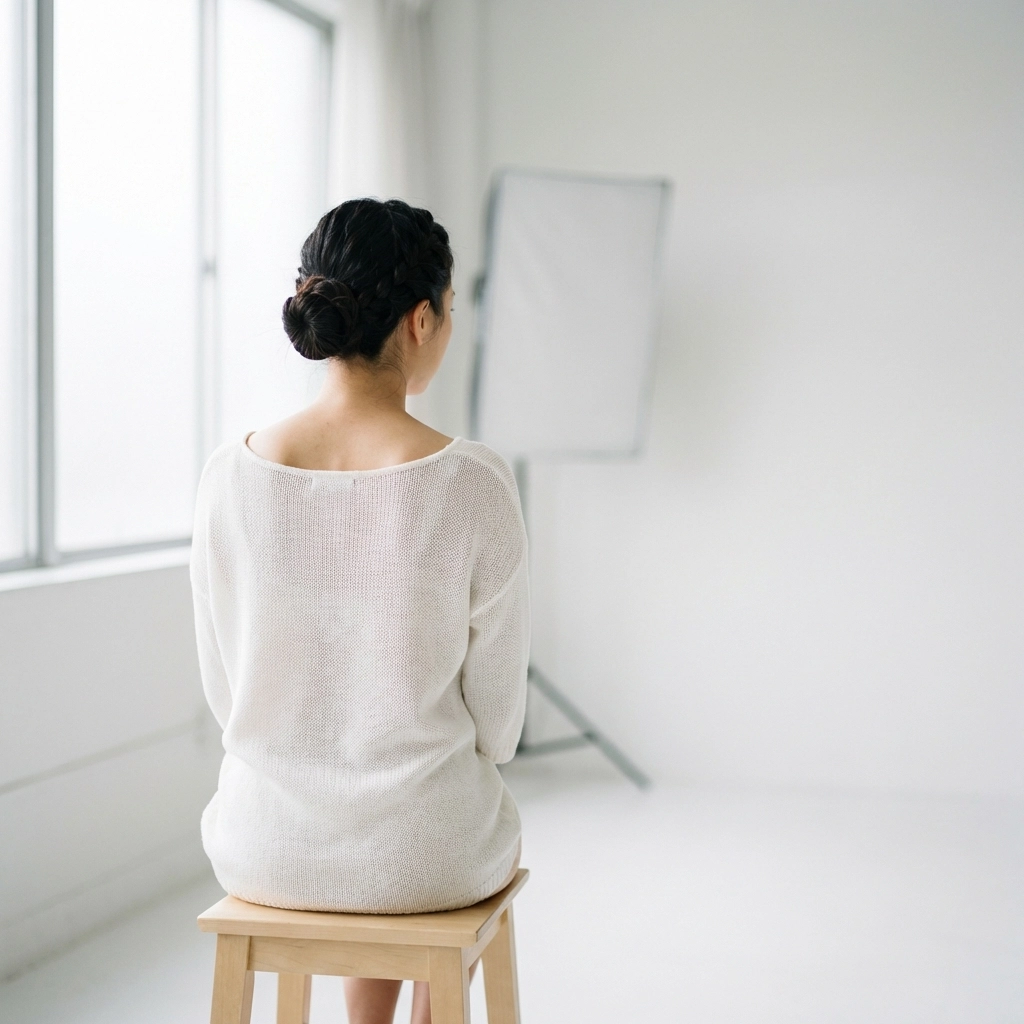
In erotic nude photography, light is your paintbrush, but shadows are your chisel. Shadows define the shape and give the body its three-dimensional quality.
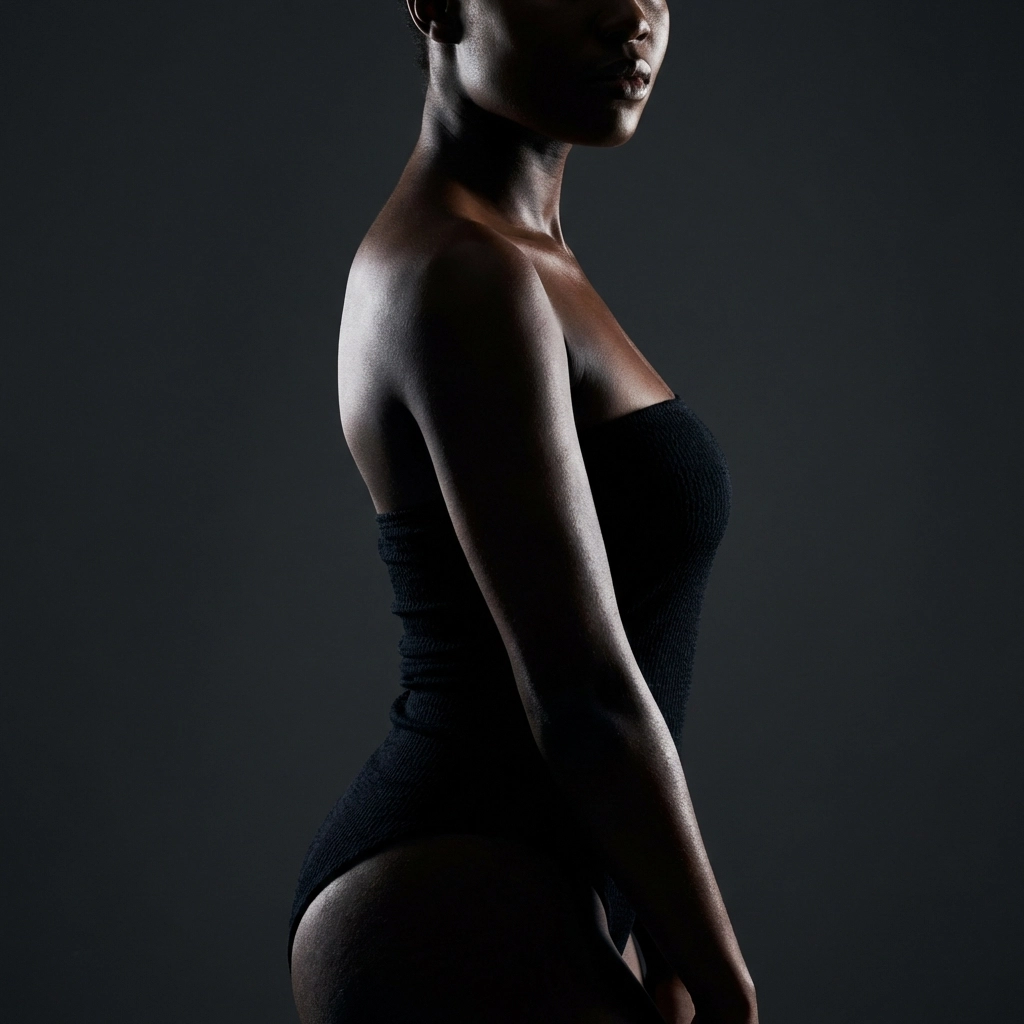
Soft, diffused light: like the kind you get from a large softbox or a window on a cloudy day: wraps around the body beautifully, smoothing out imperfections and creating gentle transitions. However, don't be afraid of hard light. A single, focused light source can create dramatic high-contrast images where parts of the body disappear into total darkness, leaving the viewer's imagination to fill in the gaps.
If you’re shooting indoors, pay attention to how the light interacts with different skin tones. Darker skin tones reflect light beautifully, creating spectacular highlights that can define muscles and curves with incredible precision. If you want to dive deeper into these specific setups, we have an extensive collection of fine art nude tutorials that walk you through professional lighting rigs step-by-step.
The Art of Posing and Directing
Posing nude models is a delicate dance of communication and comfort. Your primary job as a photographer is to make the model feel safe and empowered. A relaxed model produces better photos every single time.
I’m a huge fan of "flow posing." Instead of asking a model to hold a rigid, uncomfortable position, give them a general direction and let them move naturally. Start with simple, grounded poses: kneeling, reclining on a bed, or sitting against a wall. This builds a rhythm.
Key Posing Tips:
- Create Triangles: Ask the model to bend an arm or a leg. These visual triangles add volume and dynamic energy to the composition.
- The Gaze: The eyes carry the emotion. Whether she is looking directly into the lens or away into the distance, the gaze dictates the mood of the shot: from intense and provocative to innocent and thoughtful.
- Hand Placement: Hands should never look "dead." Direct the model to lightly play with her hair, touch her neck, or rest a hand softly on her hip to add a touch of sensuality.
Location and Composition
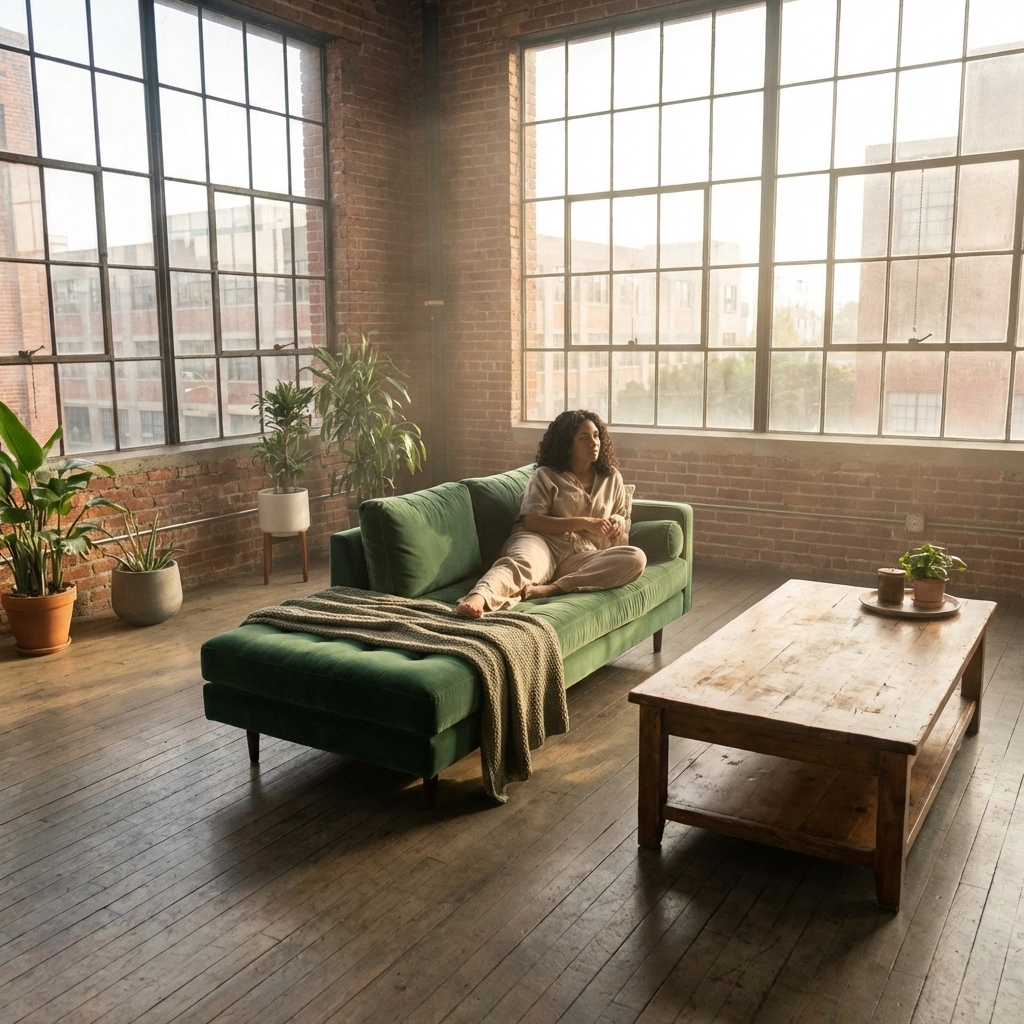
Where you shoot is just as important as who you shoot. A minimalist studio allows the body to be the sole focus, but an environmental setting: like an old industrial loft or a sun-drenched forest: adds a layer of storytelling.
When framing your shot, vary your angles. Don't just stand at eye level. Get down on the floor to make the model look statuesque, or use a ladder for a bird’s-eye view that emphasizes the geometry of the pose. For a truly professional touch, capture a mix of wide shots (showing the whole body) and tight macro shots (focusing on a single detail like the curve of the spine or the texture of the skin).
Post-Production: The Final Polish
The work doesn't end when the shutter clicks. Post-production is where you refine your "signature" look. Many artists prefer black and white for art nude photography because it removes the distraction of color and focuses entirely on form and light.
When converting to B&W, don't just hit a filter. Use the color channel sliders in Lightroom or Photoshop. Adjusting the orange and red channels allows you to control the luminosity of the skin, making it pop against the background.
For more advanced editing, techniques like "Dodge and Burn" are essential. This involves manually lightening highlights and darkening shadows to "sculpt" the body even further after the fact. It’s a time-consuming process, but it’s what separates a snapshot from a masterpiece.
Building Your Career in Fine Art
Success in this industry isn't just about taking great photos; it's about being part of a community. Sharing your work, getting feedback, and seeing how other masters of the craft handle their sets is invaluable.
If you’re serious about turning your passion into a profession, you need access to the right resources and a network of like-minded creators. To see the full potential of what you can achieve and to get access to exclusive high-resolution galleries and BTS content, you should join our membership today. It’s the best way to stay inspired and keep your skills sharp in a competitive market.
Final Thoughts
Fine art nude photography is an ongoing journey of discovery. Every model is different, every light setup offers a new challenge, and every shoot is an opportunity to find beauty in the human form. Remember to keep it professional, stay creative, and never stop experimenting with new techniques.
Whether you are capturing the soft elegance of boudoir photography poses or the raw intensity of erotic nude photography, the goal is always the same: to create something that feels timeless. Now, get out there, grab your camera, and start creating your own masterpiece.