
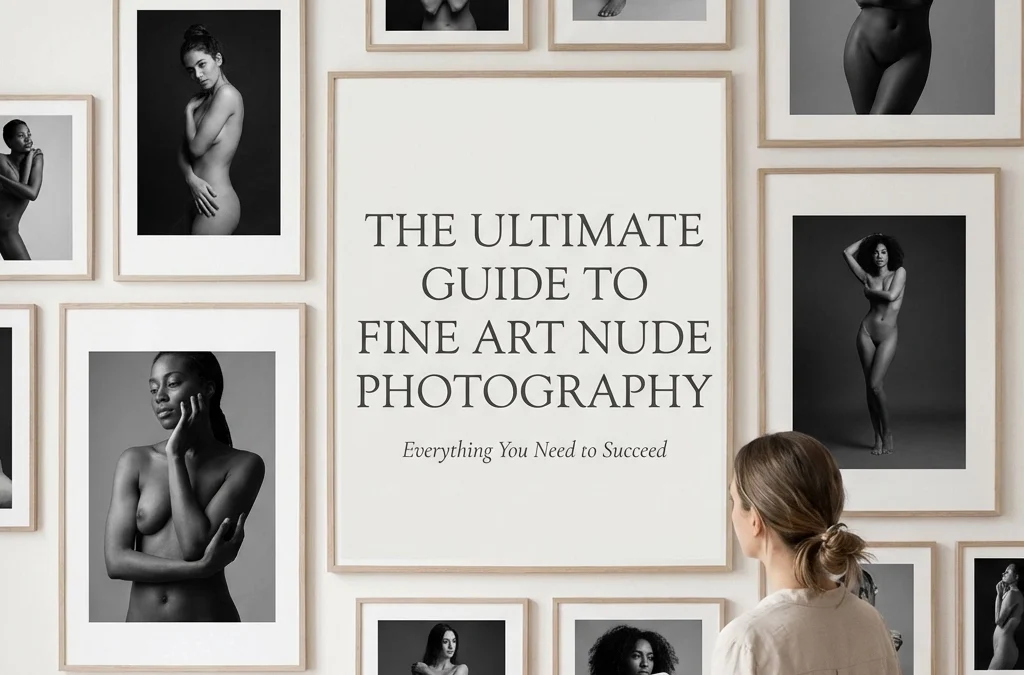
There is a profound difference between taking a photo of a naked person and creating a work of art that happens to feature the human form. Fine art nude photography is about the interplay of light, shadow, texture, and emotion. It is a discipline that requires as much psychological intuition as it does technical skill. When you strip away the clothing, you are left with the rawest version of the human experience, and as a photographer, your job is to translate that vulnerability into something timeless.
Whether you are just starting out or looking to refine your portfolio, mastering this genre takes patience and a deep respect for your subjects. In this guide, we’re going to break down everything from the technical settings to the delicate art of model direction, ensuring you have the tools to succeed in the beautiful world of art nude photography.
Mastering the Technical Trinity
Before you can get creative with your vision, you have to master your gear. In the realm of fine art, your camera shouldn't be something you’re thinking about: it should be an extension of your eye.
For most erotic nude photography, you want to focus on a shallow depth of field. This allows the model’s form to pop against a soft, creamier background, drawing all the attention to the curves and skin textures. I generally recommend using the widest aperture your lens allows: think f/1.4, f/1.8, or f/2.8. This creates that ethereal, dreamlike quality that distinguishes fine art from standard portraiture.
Regarding your ISO, keep it as low as possible (usually around 100) to maintain maximum sharpness and minimize grain, unless you are intentionally going for a gritty, film-like aesthetic. Your shutter speed should stay around 1/100s or faster to avoid any motion blur, though if your model is holding a still, relaxed pose, you can sometimes push this lower for artistic effect.
Always, always shoot in RAW. The level of detail you can pull out of the shadows and highlights during post-processing is essential when you're working with skin tones. If you’re ever feeling a bit stuck on a concept or need to visualize a specific aesthetic before your shoot, I’ve found that experimenting with tools like CandyAI can be a fantastic way to generate mood boards and see how different lighting styles interact with diverse female forms.
Lighting: The Soul of the Image
In fine art nude photography, light is your paintbrush. You aren’t just lighting a subject; you are sculpting a body.
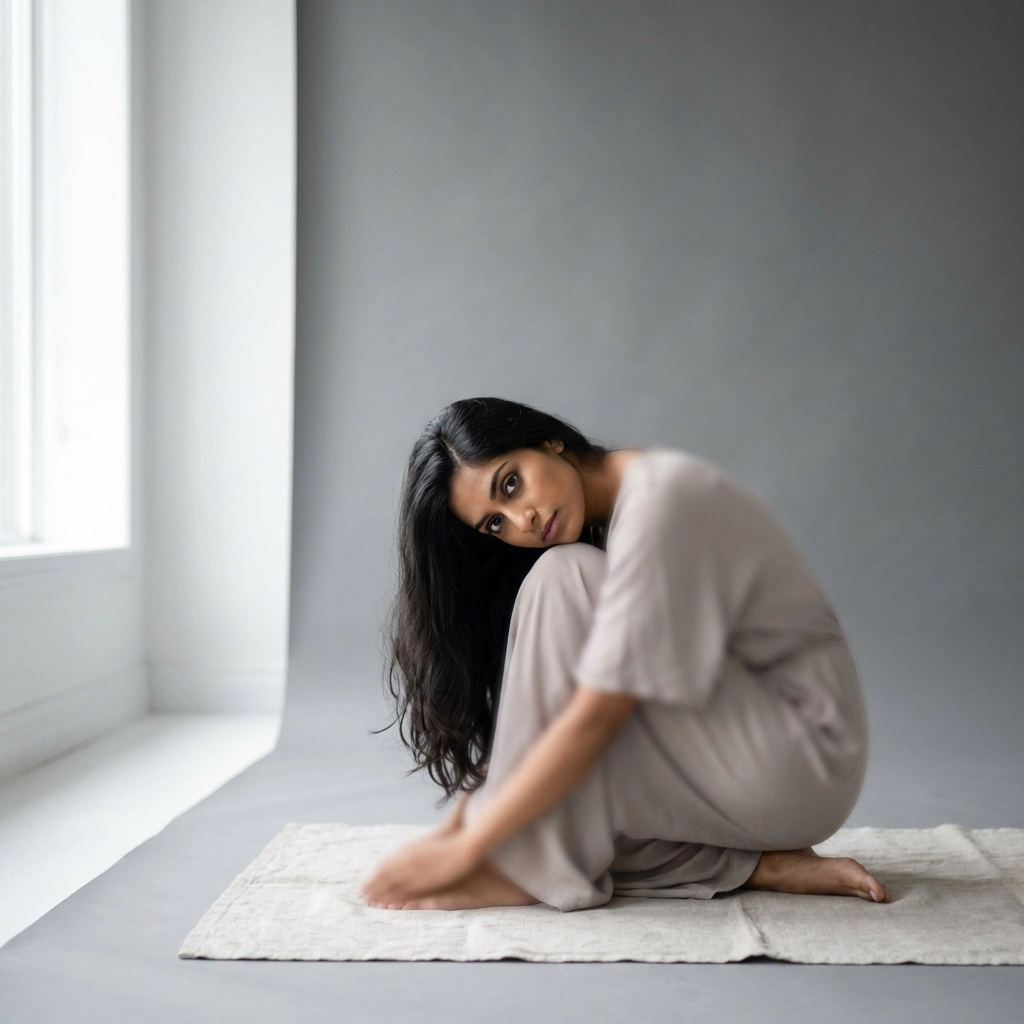
Natural light is often the most forgiving and beautiful medium for this work. A large window with a sheer white curtain can act as a massive softbox, wrapping the model in a gentle glow that minimizes imperfections and highlights the natural grace of the female silhouette. If the light is too harsh, a simple white reflector can help fill in the shadows without losing the dimensionality of the pose.
However, don't be afraid of the dark. Low-key lighting: where most of the frame is in shadow: is a staple of the genre. By using a single light source from the side (rim lighting), you can highlight the curve of a hip, the line of a spine, or the delicate profile of a face while leaving the rest to the viewer's imagination. This "chiaroscuro" effect creates a sense of mystery and sophistication that is central to erotic photography.
The Art of Posing and Flow
Posing a nude model is a collaborative dance. It’s never about barking orders; it’s about guiding her into a position where she feels both powerful and comfortable.
One of the most effective techniques is "flow posing." Instead of asking a model to hold a rigid, uncomfortable position for minutes at a time, encourage her to move slowly and naturally. Let her shift her weight, run her hands through her hair, or arch her back slightly as she breathes. Capture the moments between the poses: the subtle adjustments often result in the most authentic and breathtaking shots.
Visual triangles are your best friend here. When a model bends an arm or a leg, it creates a triangular shape that adds volume and dynamic energy to the composition. Avoid having limbs simply hang straight down, as this can look heavy or static. Instead, suggest she place a hand on her neck, tuck a foot behind a knee, or lean against a wall to create interesting angles.
Creating a Safe and Professional Atmosphere
The most important "gear" you have is the trust between you and your model. If she doesn’t feel safe, it will show in her eyes, her posture, and the final image. Professionalism is non-negotiable.
Always start with a thorough pre-shoot consultation. Discuss the concept, the level of nudity, and any boundaries she might have. During the session, maintain a casual but respectful tone. If you need to adjust a strand of hair or a piece of fabric, always ask for permission before touching the model, or better yet, demonstrate what you need her to do yourself.
For those looking to dive deeper into the nuances of these interactions and technical setups, I highly recommend exploring our fine art nude tutorial section, where we break down specific scenarios and professional etiquette in much greater detail.
Composition and Perspective
Don't get stuck in one spot. To truly capture the essence of art nude photography, you need to explore every angle. Shoot from high above to emphasize the vulnerability and shape of the model, or get down low on the ground to give her a more statuesque, powerful presence.
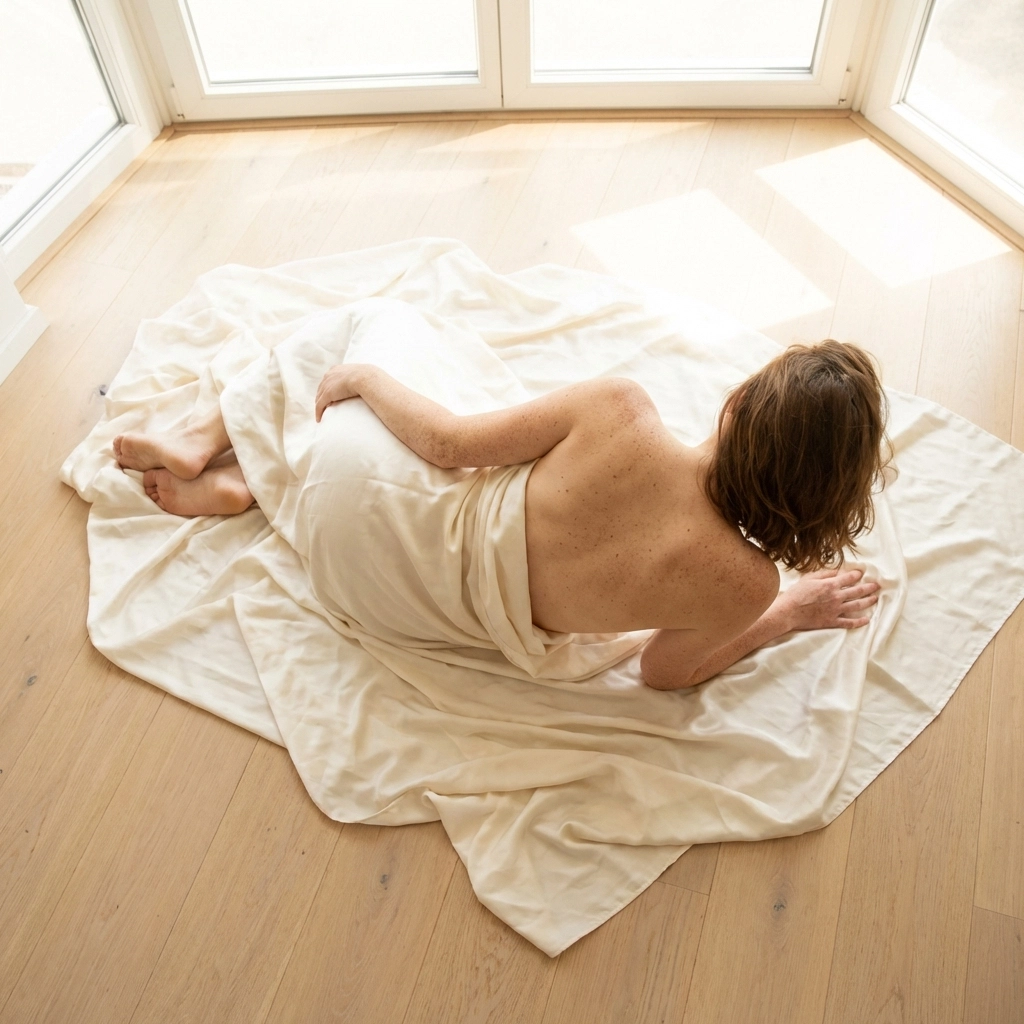
When framing, consider the "rule of thirds," but don't be a slave to it. Sometimes a perfectly centered, symmetrical shot of a woman’s back can be incredibly striking. Pay close attention to the edges of your frame; ensure you aren't accidentally cutting off a foot or a hand in a way that feels awkward. If you’re shooting a wide shot, try to include at least three-quarters of her body to maintain flattering proportions.
The Magic of Post-Processing
Your work isn't done when you click the shutter. The digital darkroom is where you finalize your artistic vision. When editing nudes, the goal is usually enhancement, not total alteration.
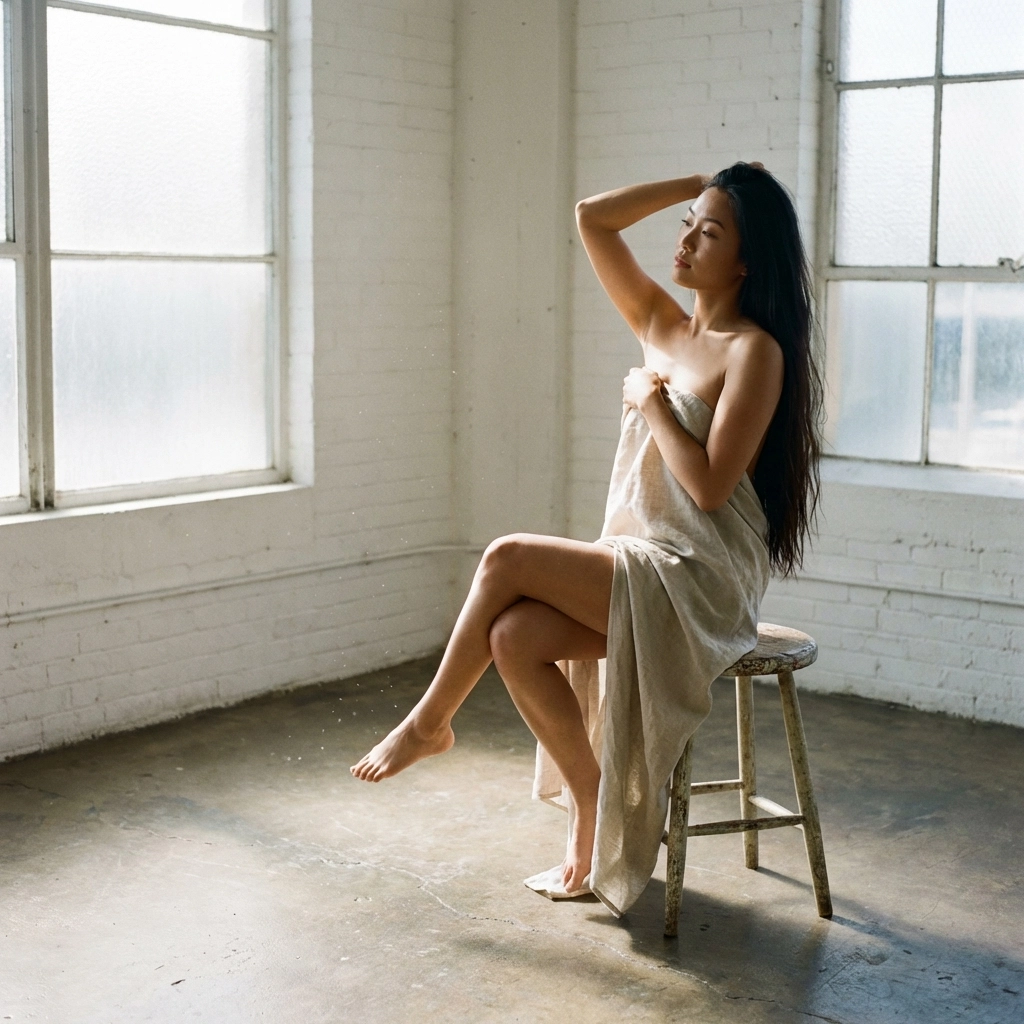
Black and white conversion is a classic choice for a reason. By removing color, you force the viewer to focus entirely on the form, the contrast, and the texture of the skin. It strips the image down to its most basic, artistic elements. If you choose to stay in color, focus on achieving natural, warm skin tones. Use frequency separation or subtle dodging and burning to smooth out skin without making it look like plastic. The "fine art" label implies a certain level of realism and humanity: embrace the tiny details that make your subject unique.
Diverse Beauty and Inclusivity
Fine art is a celebration of the human form in all its variations. As a photographer, you have the opportunity to showcase beauty across a spectrum of races, body types, and backgrounds. Each woman brings a different energy and a different silhouette to the lens.
Whether you are photographing a model with dark, mahogany skin against a bright white background or a fair-skinned model in a moody, shadow-filled room, the goal remains the same: to find the unique "architecture" of her body and present it with dignity and grace. This diversity is what keeps the genre fresh and prevents it from becoming repetitive.
Join the Creative Community
The journey of a photographer is a marathon, not a sprint. You are constantly learning, evolving, and finding new ways to see the world. One of the best ways to accelerate that growth is by surrounding yourself with other artists who share your passion for the craft.
If you’re ready to take your skills to the next level and gain access to exclusive content, behind-the-scenes looks, and a community of like-minded creators, we’d love to have you. You can join the club and start your journey today.
Fine art nude photography is one of the most challenging yet rewarding genres you can explore. It demands technical precision, emotional intelligence, and an unwavering commitment to beauty. But when all those elements align: when the light hits the skin just right and the model finds that perfect moment of stillness: the result is nothing short of magic. Keep shooting, keep experimenting, and never stop looking for the art in the every day.