
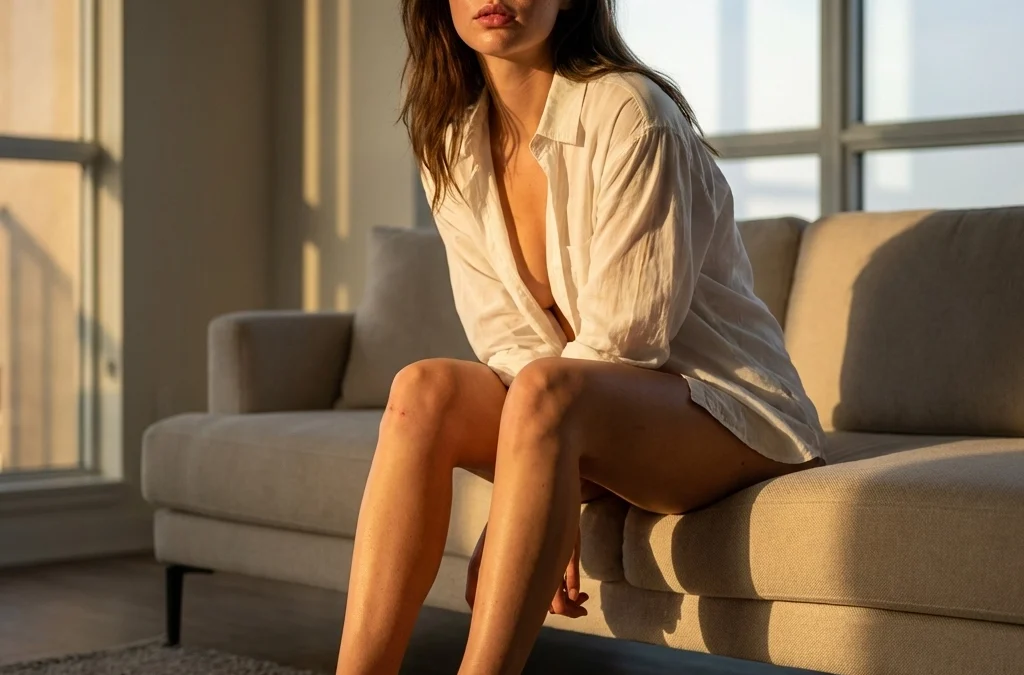
Erotic photography is a dance between shadow and skin, a meticulous craft that captures the raw, magnetic pull of the female form. It is far more than just taking off clothes; it’s about the tension in a gaze, the arch of a spine, and the way light spills over a curve. Whether you are a seasoned pro or just starting to explore the world of fine art nude photography, mastering this genre requires a blend of technical precision and an intuitive understanding of human sensuality.
This guide isn’t about clinical settings or sterile environments. We’re talking about high-end, evocative imagery that celebrates the woman in front of the lens. From the initial spark of an idea to the final shutter click, here is everything you need to succeed in the world of erotic photography.
The Foundation: Trust and Connection
Before you even pick up your camera, you need to understand that erotic photography is built on a foundation of trust. You aren't just a photographer; you are a director of intimacy. The most breathtaking nude photography happens when the model feels empowered, safe, and seen.
Communication is your most powerful tool. Before the shoot, talk through the concepts. Are you going for a gritty, noir vibe? Or a soft, sun-drenched morning look? Sharing mood boards is essential. If you’re ever stuck on a concept or need to visualize a specific look before the model arrives, playing around with AI-driven character creators like CandyAI can be a fantastic way to generate aesthetic inspiration and explore different lighting scenarios or styling ideas.
During the shoot, keep the energy high and the feedback constant. A silent set is a nervous set. Encourage her, tell her when she’s nailed a pose, and always ask for her input. When a woman knows she is in control of her image, her confidence radiates, and that is exactly what turns a good photo into a masterpiece.

Choosing Your Setting
The environment dictates the mood. A professional studio offers total control, but there is something undeniably sexy about a real-world setting. A plush hotel suite, a sunlit bedroom, or even a rugged outdoor landscape can add layers of storytelling to your art nude photography.
When choosing a location, look for textures: velvet chairs, silk sheets, or the rough grain of a wooden floor. These elements interact with skin in ways that create visual interest. Minimize distractions. A cluttered background is the enemy of erotic nude photography; you want every eye on the subject, not the lamp in the corner. If you’re shooting in a home, keep it clean and keep it simple.
Mastering the Light: Sculpting the Body
In erotic photography, light is your paintbrush. You aren't just illuminating a subject; you are sculpting it. Natural light is often the gold standard. There is nothing more flattering than the soft, directional glow of a "golden hour" sun coming through a window. It smooths skin tones while providing enough shadow to define the muscles and curves.
However, don't be afraid of the dark. Low-key lighting: where most of the frame is in shadow: creates a sense of mystery and drama. Use a single light source to create high-contrast "rim lighting," which outlines the silhouette of the model, leaving the rest to the viewer's imagination. This technique is a staple in high-end erotic nude photography because it emphasizes form over detail.
For those looking to master these specific setups, our fine art nude tutorials offer deep dives into how to manipulate both strobe and ambient light to get that perfect, professional finish.

Essential Gear for Erotic Success
You don't need a truckload of gear, but you do need the right gear.
- Prime Lenses: A 35mm or 50mm prime lens with a wide aperture (like f/1.4 or f/1.8) is a must-have. These lenses allow for a shallow depth of field, creating a beautiful bokeh effect that makes the model pop against a soft, blurred background.
- Macro Lenses: Erotic photography is often about the details: the curve of a lip, the texture of lace against skin, or the arch of a foot. A macro lens allows you to get close and personal, capturing the intricacies that wider lenses miss.
- The Camera: While any modern DSLR or mirrorless will work, look for something with great low-light performance. You’ll often find yourself shooting in moody, dimly lit rooms where grain can either be a stylistic choice or a technical hurdle.
Directing and Posing: The Art of the Curve
Posing nude models is an art form in itself. The goal is to create movement and flow. Avoid static, "straight-on" poses, which can often look flat or clinical. Instead, think in "S" curves.
- The Arch: Have your model arch her back slightly. This elongates the torso and emphasizes the transition from the waist to the hips.
- The Knee Bend: A slight bend in one knee, especially when standing, shifts the weight and creates a more dynamic, feminine silhouette.
- The S-Shape: Guide her into a pose where her shoulders and hips are angled in opposite directions. This classic technique creates a natural S-curve that is universally flattering and incredibly sensual.
- Interaction: Give her something to do with her hands. Whether she’s running them through her hair, grazing her own skin, or pulling at a piece of lingerie, movement adds a layer of raw, unscripted emotion to the shot.
Remember, erotic photography is suggestive. You don’t always have to show everything. Sometimes, a hand strategically placed or a shadow falling across the body is more provocative than full exposure. It’s the "tease" that makes the art.

Framing and Composition
Composition in erotic photography should be intentional. Use leading lines: like the edge of a bed or the line of a model’s leg: to draw the viewer’s eye toward the focal point.
Don't be afraid to break the rules. While the "Rule of Thirds" is a great starting point, centered compositions can feel powerful and confrontational, while extreme close-ups can feel voyeuristic and intimate. Play with angles. Shooting from a lower perspective can make the model look statuesque and dominant, while shooting from above can create a more vulnerable, soft mood.
When you’re framing your shots, be mindful of "clipping." Avoid cutting off limbs at the joints (ankles, knees, elbows). If you’re going for a tight crop, make it look deliberate.
Post-Processing: The Final Touch
Editing is where you define your signature style. In erotic and boudoir photography, the goal is usually to enhance the mood without making the image look over-processed. Skin retouching should be subtle: keep the pores, keep the natural texture. You want the model to look like a real woman, not a plastic mannequin.
Experiment with color grading. Warm, golden tones evoke a sense of intimacy and heat, while cooler, desaturated tones can feel more artistic and detached. Black and white is a classic choice for fine art nude photography because it strips away the distraction of color and focuses entirely on form, light, and shadow.

Taking Your Skills to the Next Level
The world of erotic photography is vast and constantly evolving. The best way to grow is to immerse yourself in a community that shares your passion for the craft. Seeing how other professionals handle complex lighting, difficult poses, and high-end editing is the fastest way to level up your own portfolio.
If you are ready to stop guessing and start creating world-class imagery, you should membership and gain access to an exclusive world of photography education. From behind-the-scenes sets to detailed walkthroughs, the club is designed for those who take their erotic art seriously.
Conclusion
Succeeding in erotic photography requires more than just a camera and a willing subject. it requires a vision, a respect for the feminine form, and the technical chops to bring that vision to life. Focus on the connection, master the light, and never stop experimenting with the way you frame the world.
The most beautiful images are the ones that tell a story: make sure yours is one worth telling. Whether you're drawing inspiration from the digital realms of CandyAI or the high-end galleries of the pros, keep pushing the boundaries of what’s possible. Now, go out there and capture something unforgettable.