
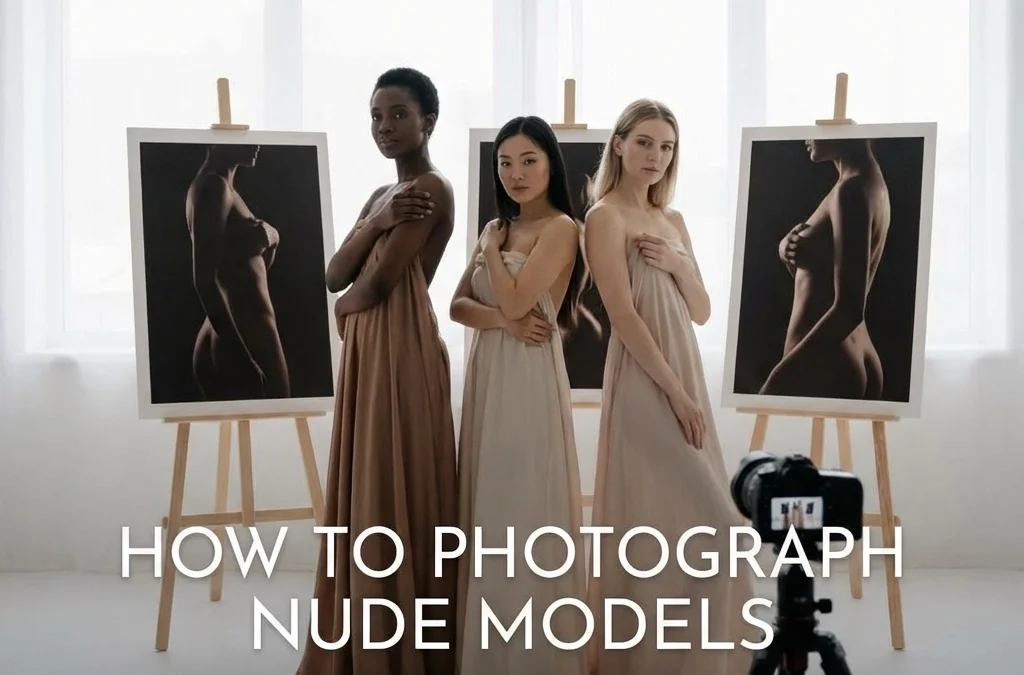
There is a profound, almost spiritual difference between taking a photo of a person without clothes and creating a piece of fine art nude photography. One is a record; the other is a poem. As photographers, our goal isn't just to document the human form but to interpret it. We are looking for the interplay of shadow and skin, the rhythm of a curve, and the silent story told through a single gesture.
If you’ve ever felt intimidated by the prospect of working with nude models, you’re not alone. It’s a genre that demands technical precision, emotional intelligence, and a high level of professional ethics. But when it clicks, the results are some of the most timeless images you will ever create. Whether you are delving into erotic photography or aiming for a more classical gallery vibe, these five steps will help you master the art of the nude.
1. Define Your Vision and Seek Inspiration
Before you even book a studio or reach out to a model, you need to know what you’re trying to say. Are you fascinated by the stark, muscular lines of an athletic woman, or are you more drawn to the soft, ethereal glow of a curvaceous figure in natural light? Art nude photography covers a massive spectrum, from high-contrast noir to soft, romantic boudoir styles.
Start by building a mood board. Look at the masters: think of the lighting of Herb Ritts or the surreal compositions of Man Ray. However, don't limit yourself to the classics. In the modern age, inspiration can come from anywhere. Sometimes, seeing how light interacts with skin in a digital space can spark a whole new concept. If you're looking for a bit of creative spark or want to see how different lighting setups might look on a variety of digital muses, experimenting with CandyAI is a fantastic way to brainstorm your next shoot. It allows you to visualize poses and aesthetics that you can later translate into your real-world sessions.
Preparation is key. When you have a clear visual reference, it makes the model feel more secure. They aren't just a subject; they are a partner in a specific artistic vision.
2. The Language of the Body: Mastering the Pose
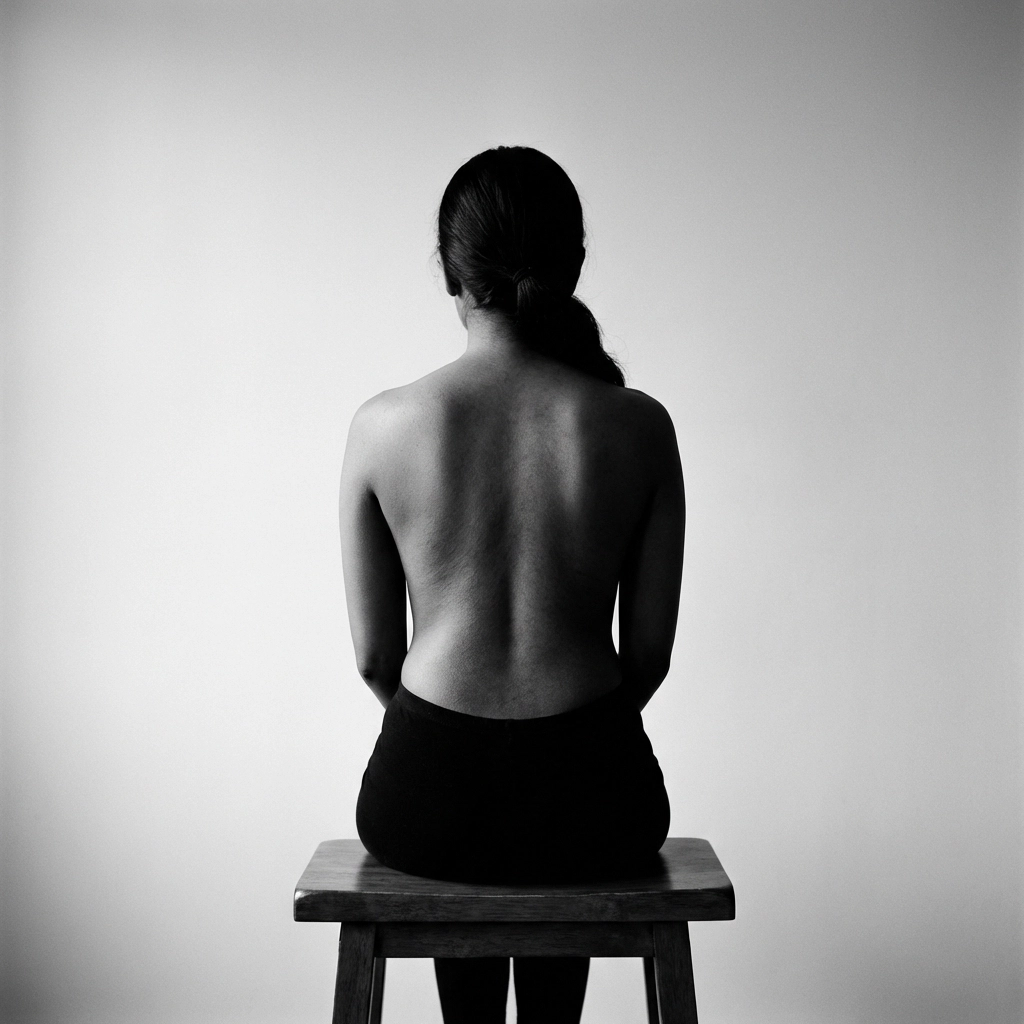
Posing nude models is vastly different from posing someone in a suit or a dress. Without clothing to provide structure or hide "flaws," the camera captures every tension in the muscle and every fold of the skin. Your job as the photographer is to direct the model into shapes that feel both natural and intentional.
One of the most effective tools in your arsenal is the "S curve." By asking the model to shift her weight to one leg and drop a shoulder, you create a flowing, serpentine line that accentuates the hips and waist. This is a staple in art nude photography because it creates movement within a static frame.
Pay close attention to the extremities: hands and feet. A beautiful pose can be ruined by a clenched fist or a flat foot. Encourage the model to "breathe" through her fingers, keeping them soft and elongated. If you find yourself struggling with the mechanics of movement, our fine art nude tutorials provide deep-dive breakdowns on how to direct models of all body types to achieve that perfect, high-end look.
3. Painting with Light: Lighting for Nude Photography
In this genre, light is your "clothing." It’s what hides, what reveals, and what creates the mood. If you want to create something elegant and sophisticated, you have to move beyond "lighting the subject" and start "shaping the body."
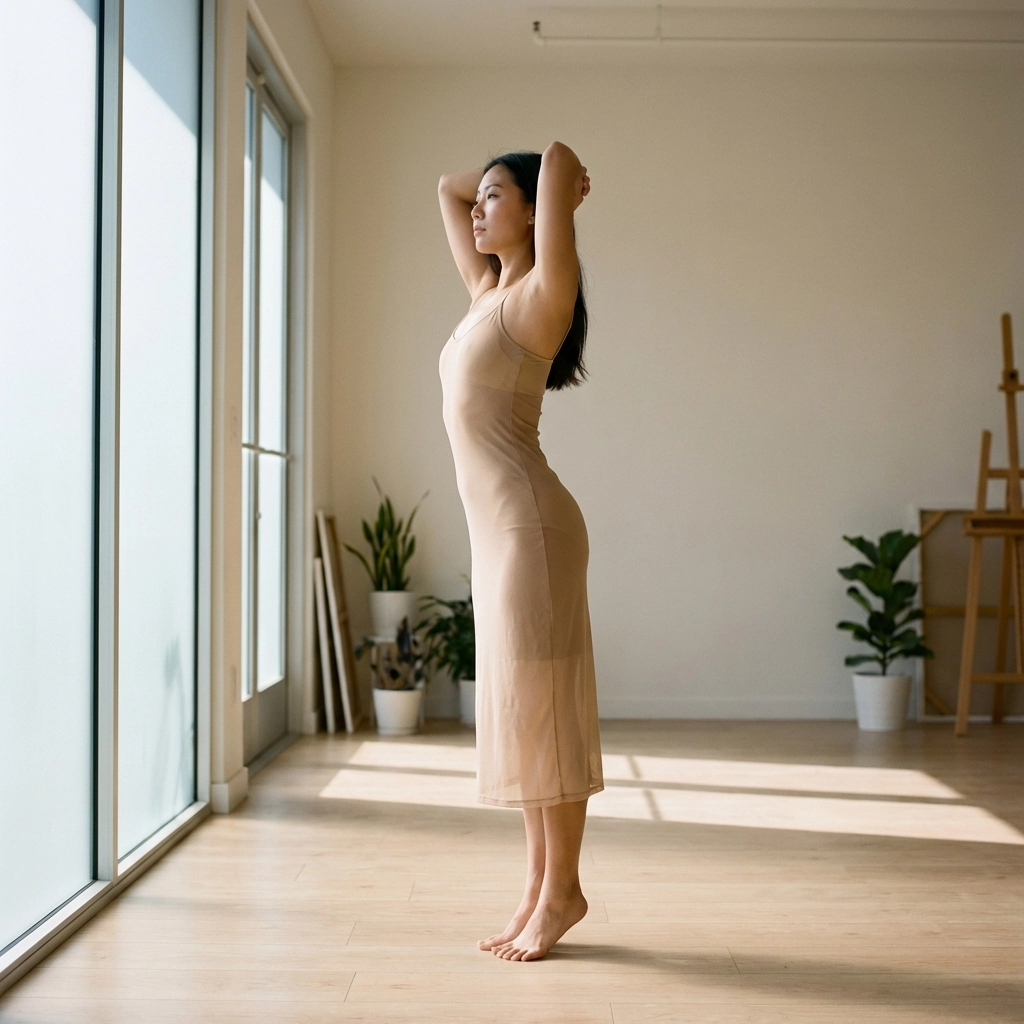
Soft, diffused light is often the go-to for beginners because it’s incredibly flattering. A large softbox or a window with a sheer curtain can wrap around the curves of a woman’s body, softening skin textures and creating a gentle transition from light to shadow. This approach is perfect for more romantic or classical art nude photography.
On the other hand, if you’re aiming for something more dramatic or even erotic nude photography, low-key lighting is your best friend. By using a single light source from the side (rim lighting), you can silhouette the model’s form, leaving most of the body in shadow and only highlighting the edge of a curve. This creates a sense of mystery and draws the viewer's eye to the shape itself rather than the details of the skin.
Remember, the shadows are just as important as the highlights. They provide the depth that turns a flat image into a three-dimensional masterpiece.
4. Technical Precision: Gear and Settings
While your creative eye is the most important tool, your technical settings need to be dialled in so they don't get in the way of the art. When photographing nudes, the choice of lens is critical. A medium telephoto lens: somewhere between 85mm and 135mm: is generally considered the gold standard. It provides a beautiful, flattering perspective without the distortion you might get from a wide-angle lens, and it allows you to maintain a respectful distance from the model.
Aperture plays a huge role in the "feel" of the shot. Shooting with a wide aperture (like f/2.8 or f/1.8) will give you a shallow depth of field, which is great for drawing focus to a specific detail: like the curve of a spine or the texture of hair: while letting the rest of the body fall into a soft, creamy blur.
Don't forget about your ISO. To maintain the highest quality and ensure those skin tones are smooth and "noise-free," keep your ISO as low as possible. If you are shooting in a dimly lit studio to achieve that moody, erotic photography look, use a tripod or increase your light power rather than cranking up the ISO and risking a grainy image.
5. Creating a Sanctuary: Respect and Environment
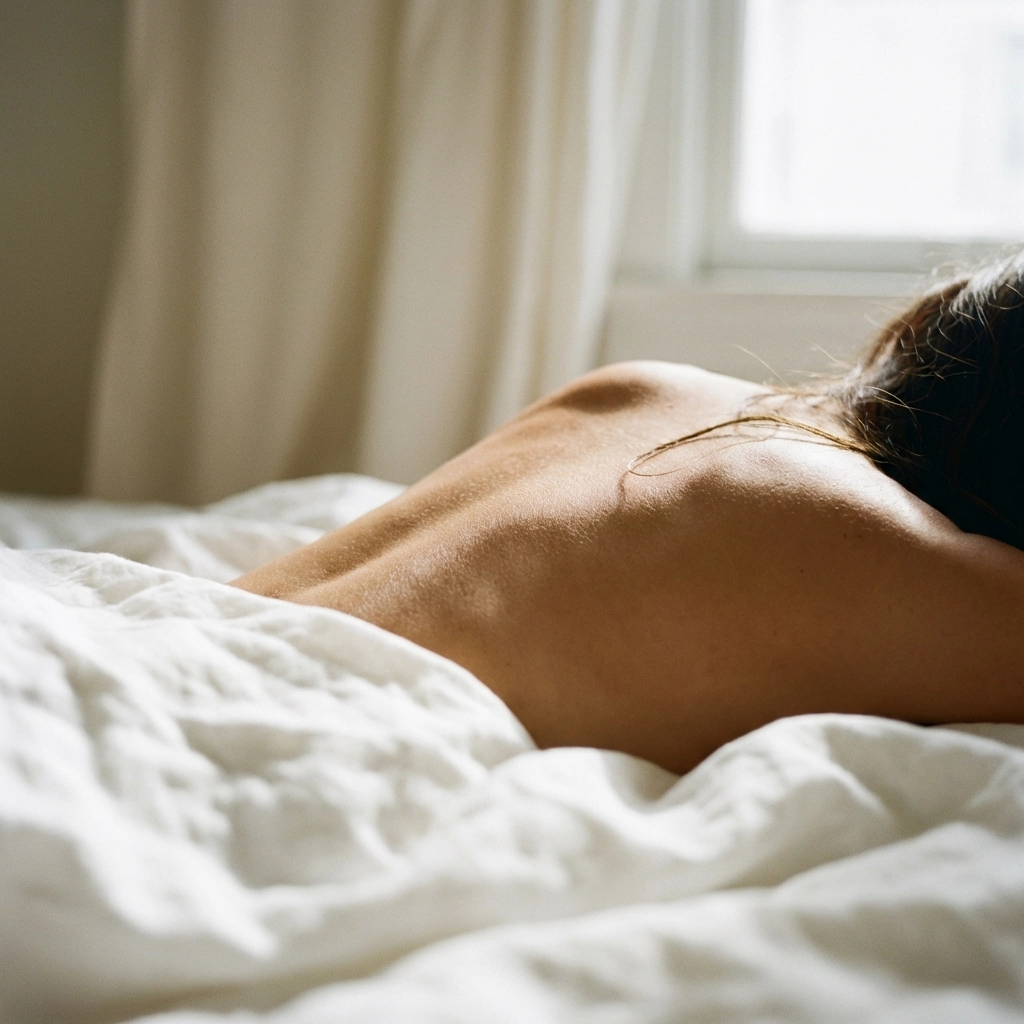
The most beautiful nude photography doesn't come from a fancy camera or a perfect light; it comes from trust. A model who feels vulnerable, cold, or uncomfortable will never give you the fluid, relaxed poses you need for high-quality art.
As the photographer, you are the director of the energy in the room. Keep the studio warm: models are without clothes, and "goosebumps" are hard to edit out! Always have a robe or a large towel ready for them to wrap up in between sets.
Communication is your most powerful tool. Never touch a model to adjust a pose; instead, demonstrate the pose yourself or use verbal cues. Before the shoot, discuss the "lines of comfort." What are they okay with showing? Is this a "implied" shoot, or are we going for full art nude? When the model knows exactly what to expect and feels that her boundaries are respected, she can focus on the performance.
This professional atmosphere is what separates a hobbyist from a true artist. It’s about creating a sanctuary where the model feels empowered to be a part of the creative process.
Elevate Your Art
Mastering how to photograph nude models is a journey that never truly ends. Every body is a new landscape, and every lighting setup offers a new way to tell a story. It takes practice, patience, and a genuine appreciation for the human form in all its diversity.
If you’re serious about taking your craft to the next level and want to see how the pros do it, you should definitely join the club to gain access to our exclusive galleries, behind-the-scenes content, and a community of artists who share your passion for the elegant side of the industry. Whether you're interested in boudoir photography poses or the complexities of low-key studio work, we're here to help you turn your vision into reality.
Keep shooting, keep experimenting, and always remember that the most important element in the frame is the humanity of your subject. Happy shooting!