
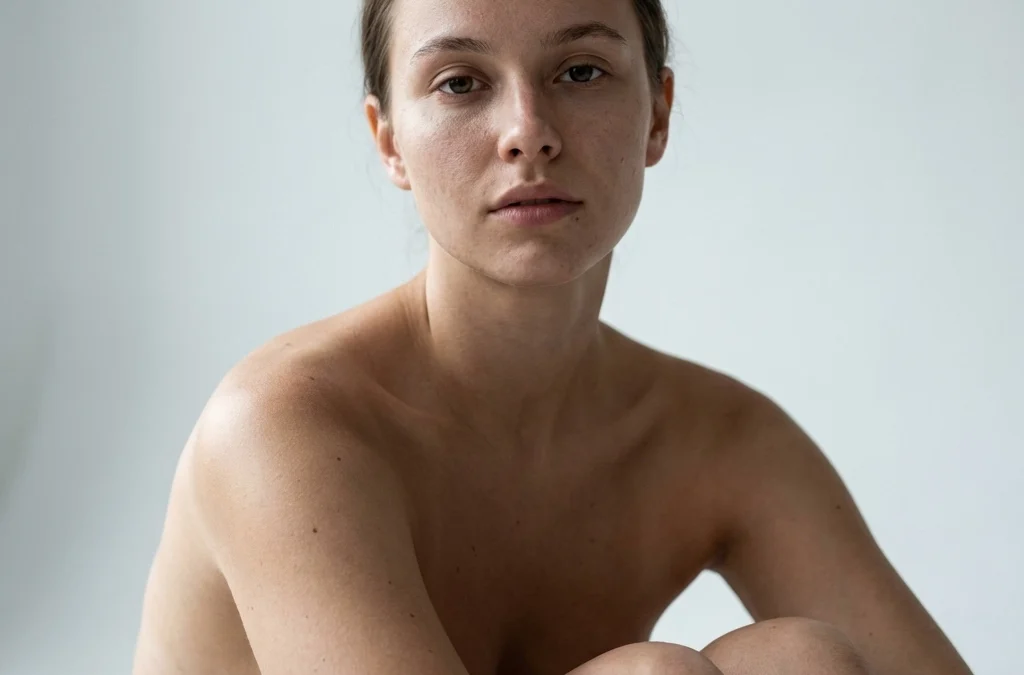
Let’s get one thing straight: fine art nude photography isn’t just about a naked body in front of a lens. If it were that simple, every cell phone snap would be hanging in a gallery. The industry experts: the ones who sell out workshops and land high-end gallery shows: often guard their "secrets" like a sacred hoard. They want you to believe there’s some mystical alchemy involved.
In reality, the difference between a mediocre snapshot and a breathtaking piece of erotic photography comes down to how you manipulate light, how you command the room, and how you see the human form as a landscape of shadow and curve. We’re stripping away the pretense today. Whether you’re shooting a dark-skinned goddess in a sun-drenched loft or a pale, porcelain figure in a moody studio, these are the truths that elevate your work from "nude" to "fine art."
The Power of the "First Five Minutes"
The biggest secret in fine art nude photography isn’t technical; it’s psychological. Experts don't want you to know that the first twenty shots of a session are usually garbage. Why? Because the model hasn't relaxed, and neither have you. The secret to how to photograph nude models effectively lies in the rapport you build before the camera even clicks.
Don't just jump into the heavy posing. Start with a robe, some music, and a conversation. The best erotic nude photography happens when there is a shared energy between the photographer and the subject. When the model feels seen as an artist rather than just an object, her posture changes. The tension in her shoulders drops, her eyes soften, and that is when the magic starts.
Lighting: The Sculptor’s Chisel
If you want to master fine art nude photography, you have to stop thinking like a photographer and start thinking like a sculptor. Lighting for nude photography isn't about illuminating the model; it’s about choosing where to let the darkness live.
Most beginners make the mistake of over-lighting. They want to see everything. But experts know that the most provocative images are the ones that leave something to the imagination. This is where Rembrandt lighting becomes your best friend. By positioning your model near a single light source: like a large window or a softbox: at a 45-degree angle, you create those deep, delicious shadows that define the musculature and the curve of the waist.
If you’re looking to push your creative boundaries and visualize new concepts, sometimes playing with digital tools can spark an idea. I often find that experimenting with the hyper-realistic generation tools at CandyAI can help me pre-visualize lighting setups and skin textures before I even step into the studio. It’s a great way to see how light might wrap around a specific body type or how a certain pose might translate into a final composition.
Posing: Beyond the Basics
Posing nude models is an art of geometry. You aren't just looking for "sexy"; you’re looking for lines, triangles, and S-curves. A common secret among the pros is the "negative space" technique. Instead of just focusing on the model’s body, look at the shapes created by the space between her limbs. An arm arched over the head creates a triangle of light; a leg tucked under a hip creates a curve that leads the eye toward the center of the frame.
When you’re stuck, think about boudoir photography poses but elevate them. Instead of a standard "lying on the bed" shot, have her arch her back until her spine becomes a focal point of texture. High-end art nude photography often treats the body as an abstract landscape. A close-up of a collarbone or the small of the back can be just as erotic and powerful as a full-body shot. For a deeper look at the technical nuances of these setups, you can find a wealth of knowledge in our fine art nude tutorial section, where we break down the mechanics of the "perfect" pose.

The Secret of Texture and Movement
One thing that separates the amateurs from the masters is the use of elements that interact with the skin. Water, oil, silk, or even just a bit of sheer organza can transform a static image into a dynamic narrative.
Try this: wrap your model in a translucent fabric and have her move. Use a slightly slower shutter speed to catch the blur of the silk as it falls away from her hip. This adds a sense of motion and mystery that static erotic photography often lacks. The contrast between the soft, yielding fabric and the firm lines of a woman's body creates a tactile quality that viewers can almost feel.
Don't be afraid to experiment with different skin tones and how they react to these textures. The way light reflects off deep, ebony skin compared to fair, freckled skin is a masterclass in color theory. Each body tells a different story, and as a fine art photographer, it is your job to translate that story through your lens.

Composition: The Law of Tensions
Experts often use "tension" to keep the viewer engaged. This isn't just about physical tension in the model's body: though a pointed toe or a flexed calf can certainly add a sense of readiness and energy: it’s about compositional tension.
Place your subject off-center. Use leading lines that point toward her most intimate curves but stop just short. Force the viewer’s eye to travel across the frame. This is what makes a photo "fine art." It’s a journey, not just a destination. When you're working on nude photography tips, remember that the "rule of thirds" is just a suggestion; sometimes breaking it by centering a model symmetrically can create a powerful, confrontational image that demands attention.

The Post-Processing Trap
Here is a secret the experts really don't want you to know: most of them over-edit, but they make it look like they didn't. In the world of art nude photography, skin texture is sacred. If you smooth the skin until it looks like plastic, you've killed the soul of the image.
The goal of post-processing in high-end erotic photography should be to enhance the mood, not rewrite the anatomy. Contrast is your friend. Dodging and burning: the process of manually lightening and darkening specific areas: is how you "pop" the highlights on a shoulder or deepen the shadow under a breast. It’s a digital version of what painters have done for centuries. Keep the pores, keep the slight imperfections; that’s what makes the woman real, and that reality is what makes the image erotic.
Creating Your Own Vision
Ultimately, the "secrets" are just tools in your kit. The real secret is your unique eye. No one else sees the world: or the female form: exactly the way you do. The most successful photographers are the ones who stop trying to mimic the "experts" and start trusting their own instincts.
If you find yourself lacking inspiration or wanting to see how different lighting styles look on a variety of diverse models, don't forget to check out CandyAI for a bit of visual brainstorming. It's a fantastic resource for any artist looking to expand their horizons and experiment with the "what ifs" of photography without the overhead of a full production.
But nothing beats the real thing. To truly master this craft, you need to be surrounded by high-level inspiration and a community that understands the nuances of the human form. If you’re ready to take your work to the professional tier and see what goes on behind the scenes of world-class shoots, it’s time to join the membership at Fine Art Nude Club. We dive deep into the techniques, the gear, and the raw artistry that the mainstream platforms are too afraid to touch.
Fine art nude photography is a journey of discovery. Every time a model drops her robe, you are presented with a new landscape of possibilities. Stop looking for the "right" way to do it and start looking for the most beautiful way. The secrets are out( now go create something unforgettable.)