
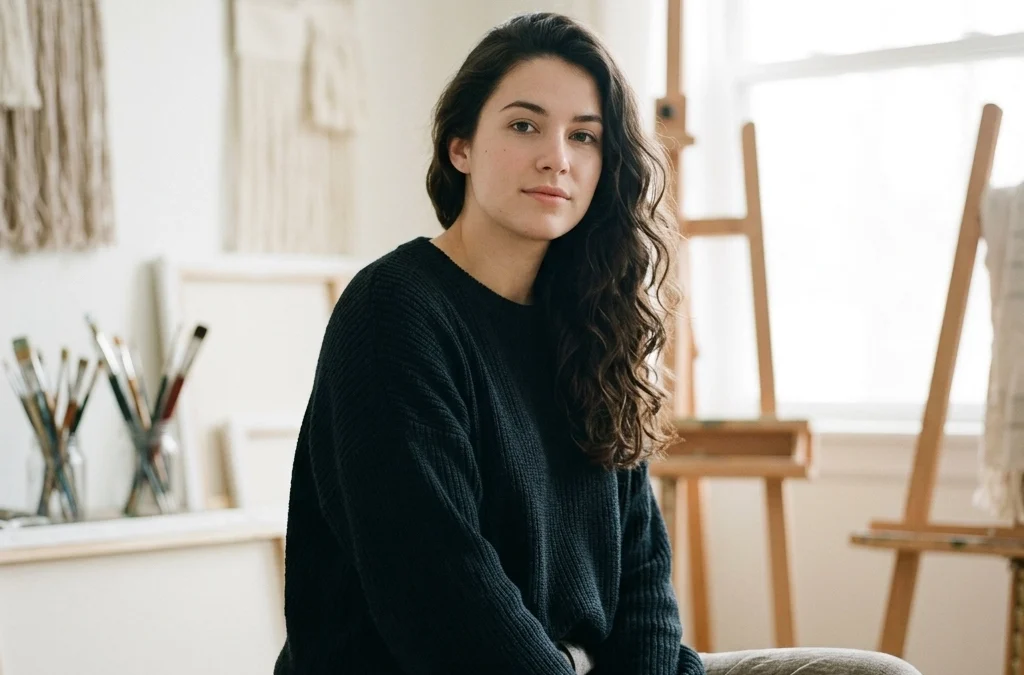
There is something inherently raw and captivating about the human form. When you strip away the fashion, the brands, and the social masks, you are left with the purest canvas imaginable: skin. Fine art nude photography isn’t just about documenting a body; it’s about capturing the soul, the curves, and the play of light in a way that feels both intimate and timeless. Whether you’re drawn to the soft elegance of art nude photography or the provocative edges of erotic nude photography, mastering this craft requires a delicate balance of technical skill and artistic intuition.
If you are just starting out, the prospect of shooting nudes can be intimidating. You aren't just managing apertures and shutter speeds; you’re managing an environment of trust and vulnerability. This guide is designed to take you through the essentials, from your first conceptual spark to the final polished edit.
Finding Your Artistic Voice
Before you ever pick up a camera, you need a vision. What story are you trying to tell? Fine art nude photography allows for an incredible range of expression. You might want to focus on the abstract: treating the body as a landscape of hills and valleys: or you might want to delve into high-end erotic photography that celebrates the raw, uninhibited beauty of a woman.
Inspiration can come from anywhere: classical sculpture, Renaissance paintings, or even modern digital tools. Sometimes, when I’m stuck on a concept for a shoot, I find it helpful to use creative AI tools like CandyAI to experiment with different aesthetics, lighting moods, and character archetypes. It’s a fantastic way to visualize a vibe before you even step into the studio, helping you communicate your vision more clearly to your model.
Essential Gear and Nude Photography Tips
You don't need a million dollars' worth of equipment to create stunning art, but you do need to know how to use what you have. For most beginners, a 50mm or 85mm prime lens is the gold standard. These lenses offer a natural perspective that doesn't distort the model’s body and allows for a shallow depth of field that makes the skin look buttery smooth.
When it comes to camera settings, keep your ISO as low as possible to avoid grain. In fine art nude photography, detail is everything: you want to see the texture of the skin, the fine hair, and the way shadows transition into highlights. Shooting in RAW is non-negotiable; you’ll need that data when you get to the post-processing stage.
Mastering Lighting for Nude Photography
Lighting is the brush you use to paint the body. Without good light, even the most beautiful model will look flat. For those just learning how to photograph nude models, the best advice is to start simple.
Side Lighting: This is your best friend. By placing your light source to the side of the model, you create shadows that define the muscles and the curves of the waist and hips. This "chiaroscuro" effect is what separates a snapshot from a piece of fine art.
Softboxes vs. Hard Light: A large softbox will give you that classic, commercial boudoir look: soft, flattering, and forgiving. However, if you want something more dramatic and erotic, try using a smaller light source or a grid. Hard light creates sharp lines and deep shadows, which can be incredibly sexy when used to highlight the arch of a back or the line of a jaw.
Natural Light: Never underestimate the power of a large window. The soft, directional light from a window can create some of the most intimate and authentic erotic photography. It feels less like a production and more like a private moment.
Posing Nude Models: The Art of the Curve
Posing is where many beginners struggle. It’s not just about telling someone where to put their hands; it’s about creating flow and tension. When you are looking for boudoir photography poses, remember that the "S-curve" is the foundation of feminine beauty. Having your model shift her weight to one leg or arch her back slightly creates those alluring lines that draw the eye through the frame.
Don’t be afraid to experiment with negative space. Sometimes, what you don't show is just as powerful as what you do. A hand resting on a thigh or the curve of a shoulder emerging from the shadows can be far more provocative than a full-frontal shot. If you find yourself hitting a creative wall, our deep-dive tutorials offer a wealth of specific posing guides and professional breakdowns to help you master the nuances of the female form.
Establishing Trust and Professionalism
The relationship between a photographer and a model is built on a foundation of respect. This is especially true in nude photography. Always have a pre-shoot consultation. Discuss the "level" of nudity, the vibe of the shoot, and any boundaries the model might have.
During the shoot, communication is key. Never touch the model to adjust a pose; instead, demonstrate the pose yourself or give clear verbal cues. Keep the studio warm: models get cold quickly when they aren't wearing clothes, and goosebumps are hard to edit out. Professionalism isn't just about how you handle the camera; it’s about how you handle the human being in front of it.
The Power of Composition
In art nude photography, your composition should feel intentional. Use leading lines: like the edge of a bed or a stray shadow: to point toward the subject's most captivating features. Think about the "Rule of Thirds," but don't be afraid to break it if a centered, symmetrical shot feels more powerful.
Consider the environment as well. Are you in a sterile studio, a lush forest, or a gritty industrial space? The background should complement the model, not distract from her. If you are shooting a diverse range of women, think about how their skin tones interact with the colors of the room. A deep mahogany skin tone looks breathtaking against gold or emerald silk, while a pale, porcelain complexion might pop against dark, moody charcoals.
Post-Processing: Polishing the Masterpiece
Editing is where your personal style truly comes to life. In the world of erotic nude photography, less is usually more. You want the skin to look real, not like plastic. Use frequency separation to handle minor blemishes while keeping the natural skin texture intact.
Play with your color grading to set the mood. Cool blues and desaturated tones can make a shot feel melancholic and artistic, while warm, golden hues enhance the sexiness and intimacy of the scene. Black and white is a classic choice for fine art nudes because it strips away the distraction of color and forces the viewer to focus entirely on form and light.
Join the Inner Circle
Mastering fine art nude photography is a journey, not a destination. You will constantly be learning, evolving, and pushing your creative boundaries. If you are serious about taking your craft to the next level and want to see how the world’s best photographers capture the raw beauty of the female form, you need to be where the pros are.
By becoming a part of our community, you get exclusive access to high-end galleries, behind-the-scenes content, and a network of artists who share your passion for the erotic arts. Don't just watch from the sidelines; join our membership today and start your journey toward mastering the most beautiful subject in the world.
The human body is the ultimate masterpiece. With the right light, a clear vision, and a respectful approach, you have everything you need to create something truly unforgettable. Now, go out there and start shooting.