
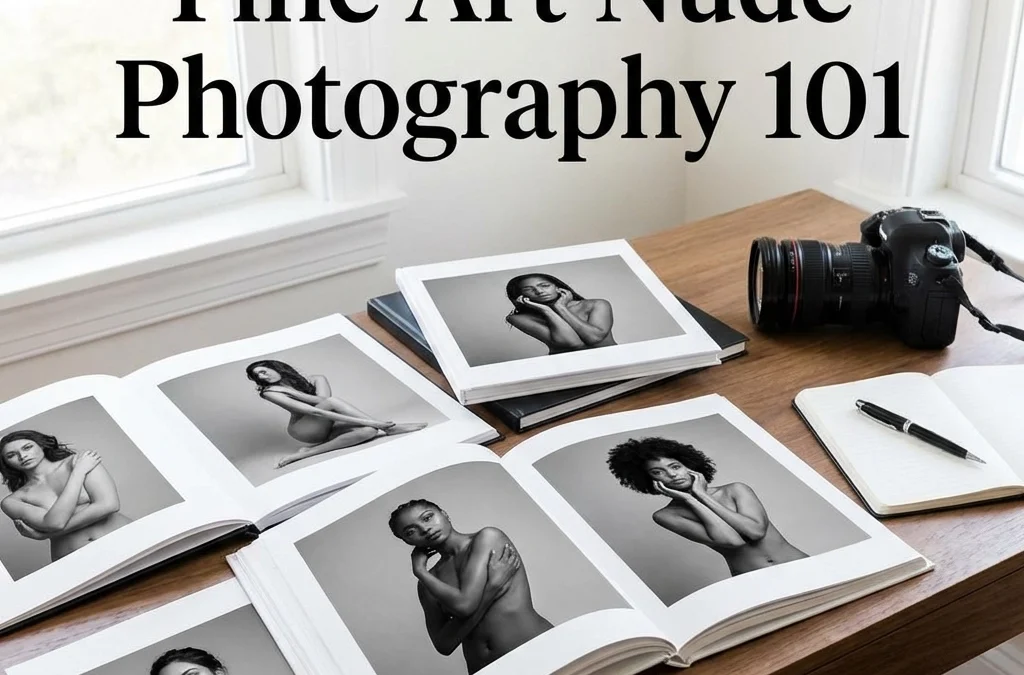
There is something inherently timeless about the human body. From the marble statues of ancient Greece to the high-contrast monochrome prints of the 20th century, the female form has been the ultimate muse. But when you’re standing behind the lens for the first time, ready to dive into the world of fine art nude photography, it can feel a little overwhelming. How do you balance the technical with the emotional? How do you ensure the shot is artistic rather than just explicit?
Photography is a language, and art nude photography is one of its most poetic dialects. It’s about more than just skin; it’s about the way light dances across a curve, the stories told through a pose, and the trust built between the photographer and the model. If you’re just starting out, this guide is here to help you navigate those first steps toward mastering the artistic human form.
Start with a Clear Vision
Before you even pick up your camera, you need a plan. Walking into a shoot without a vision is a recipe for awkward silences and mediocre results. I always recommend starting with a mood board. Look at the masters: think of the soft, ethereal qualities of vintage erotic nude photography or the bold, architectural lines of modern masters.
If you’re struggling to visualize how certain lighting setups or poses might look on a specific body type, you can even play around with AI tools like CandyAI to generate reference concepts. It’s a great way to see how light interacts with the female form in different environments, helping you refine your ideas before the model arrives. Once you have a direction, create a shot list. This isn’t a rigid set of rules, but rather a safety net that keeps you focused on your artistic goals.
Communication is Your Best Tool
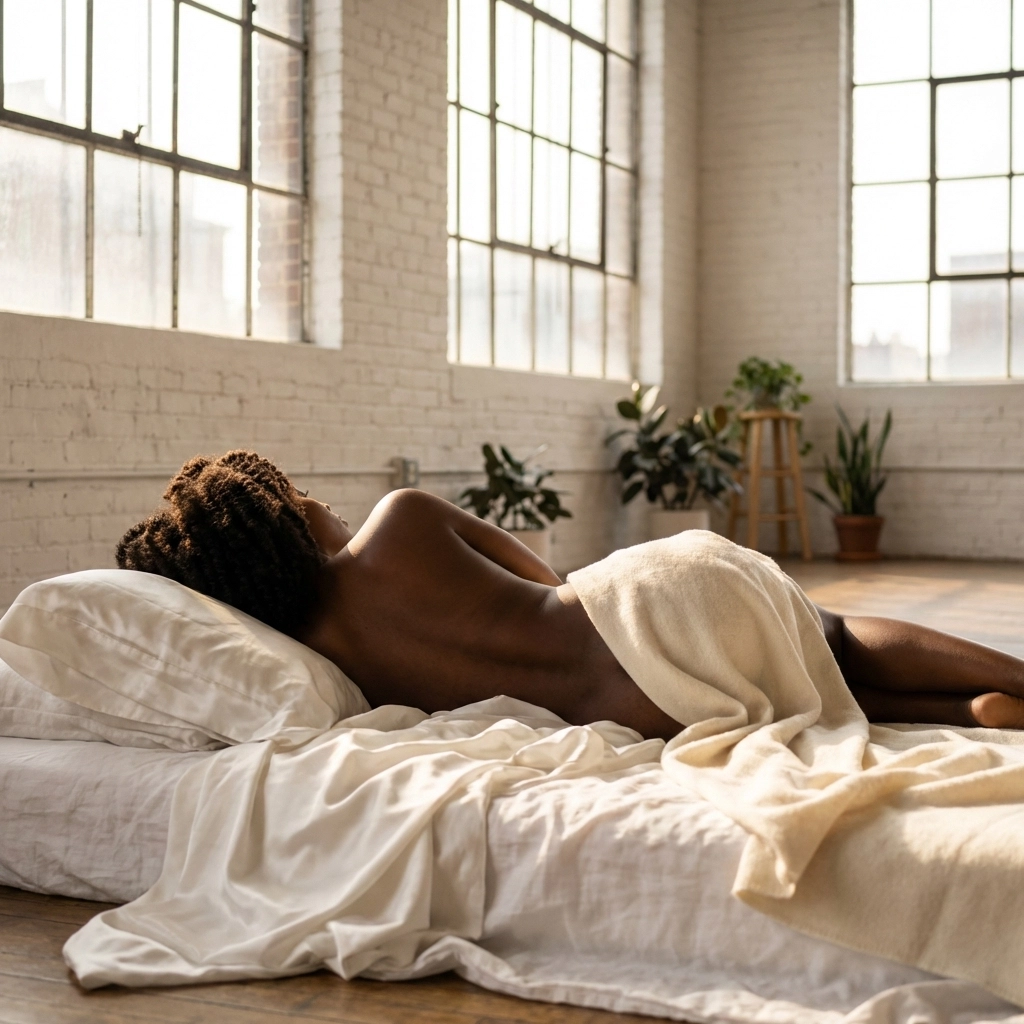
In nude photography, your most important piece of equipment isn't your lens: it’s your voice. Establishing a professional, respectful, and comfortable environment is non-negotiable. Before the clothes even come off, sit down with your model and talk through the mood board. Explain your concept, the "why" behind the nudity, and exactly what kind of erotic photography style you’re aiming for.
Always be clear about boundaries. Ask what she is comfortable with and what she isn't. During the shoot, keep the conversation flowing. Give positive reinforcement and be specific with your directions. Instead of saying "move your arm," try "softly rest your hand on your hip to create a triangular line." This level of detail helps the model feel like an active collaborator in the art-making process.
Technical Essentials for the Human Form
When it comes to nude photography tips, I always tell beginners to keep their gear simple so they can focus on the subject. A fast prime lens is your best friend here. Lenses with wide apertures, like a 50mm or 85mm f/1.4, allow you to create that beautiful, shallow depth of field. This technique is perfect for blurring out distractions and drawing all the attention to the texture of the skin or the curve of a shoulder.
Set your ISO as low as possible to keep the images clean and free of digital noise. When you're focusing, especially in close-up erotic nude photography, precision is key. Use single-point autofocus to lock onto the eye or the specific part of the body you want to emphasize. If you’re feeling stuck on the technical side, diving into a few fine art nude tutorials can provide the specific camera settings and workflow tips you need to move from "snapshot" to "masterpiece."
Mastering Light and Shadow
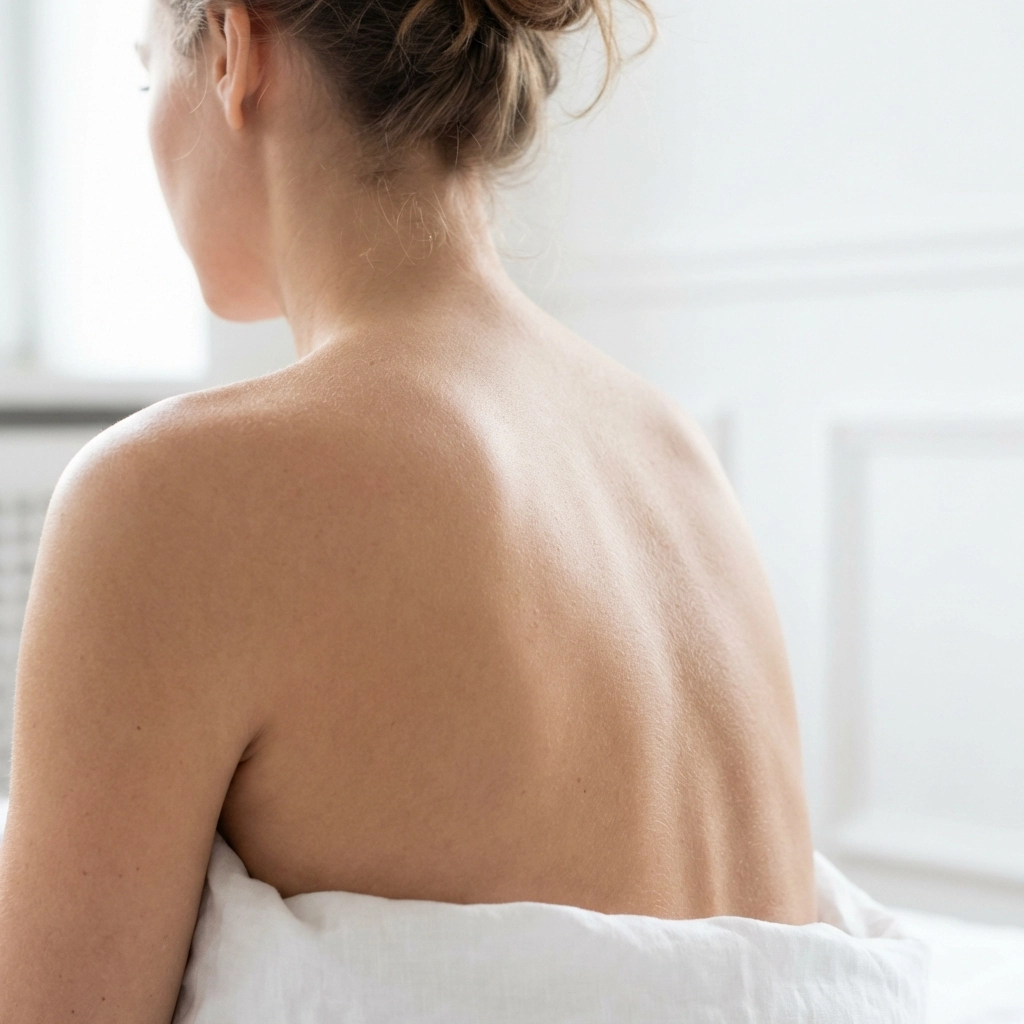
Light is what gives the body its three-dimensional quality. In fine art nude photography, you aren't just photographing a person; you’re photographing the way light interacts with their shape.
- Soft Light: Think large softboxes or window light filtered through a sheer curtain. This creates a gentle, romantic feel, smoothing out skin textures and creating soft transitions between highlights and shadows.
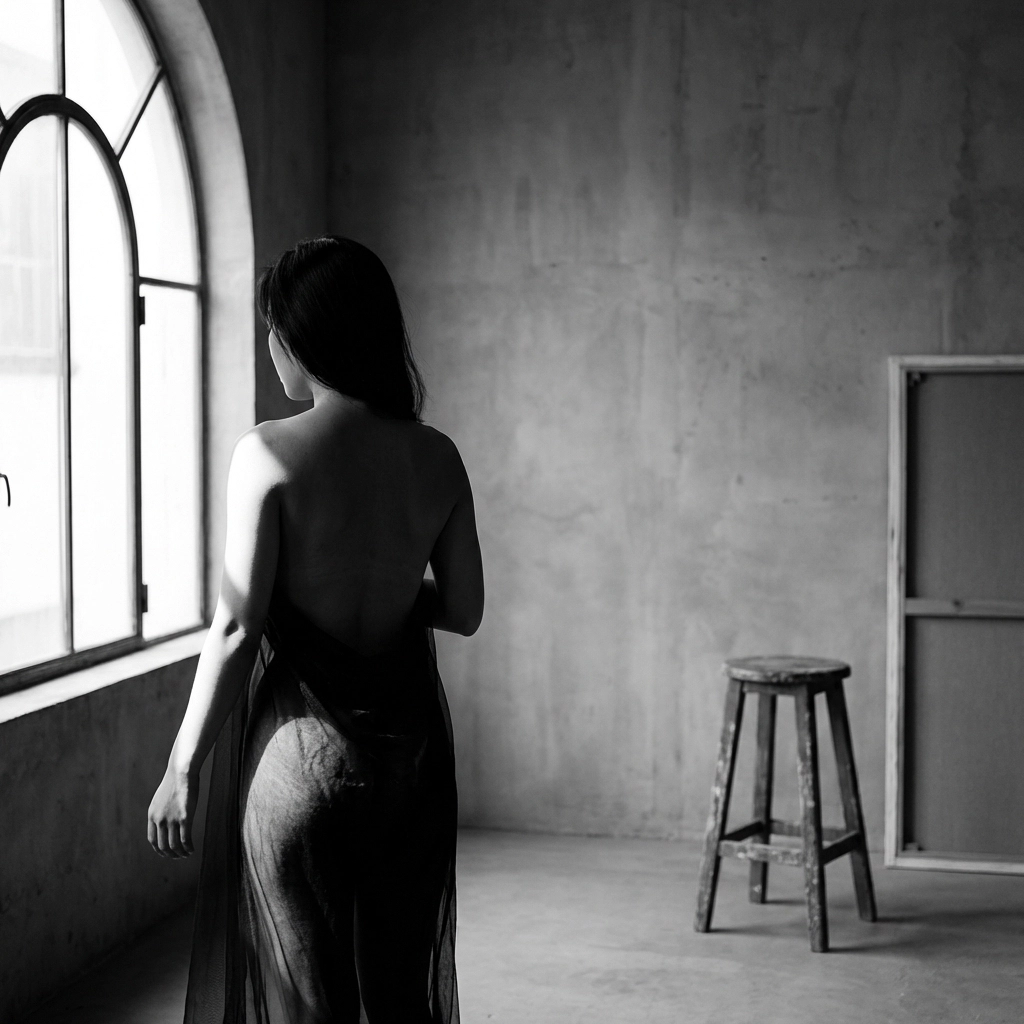
- Hard Light: This is where the drama happens. Using a direct, unmodified light source creates deep shadows and sharp highlights. This is perfect for emphasizing the "landscape" of the body: the ribs, the spine, and the muscles.
Don't be afraid of the dark. Negative space and deep shadows can be just as powerful as the subject itself. By hiding parts of the form in shadow, you invite the viewer to use their imagination, which is a hallmark of sophisticated art nude photography.
Posing Nude Models with Grace
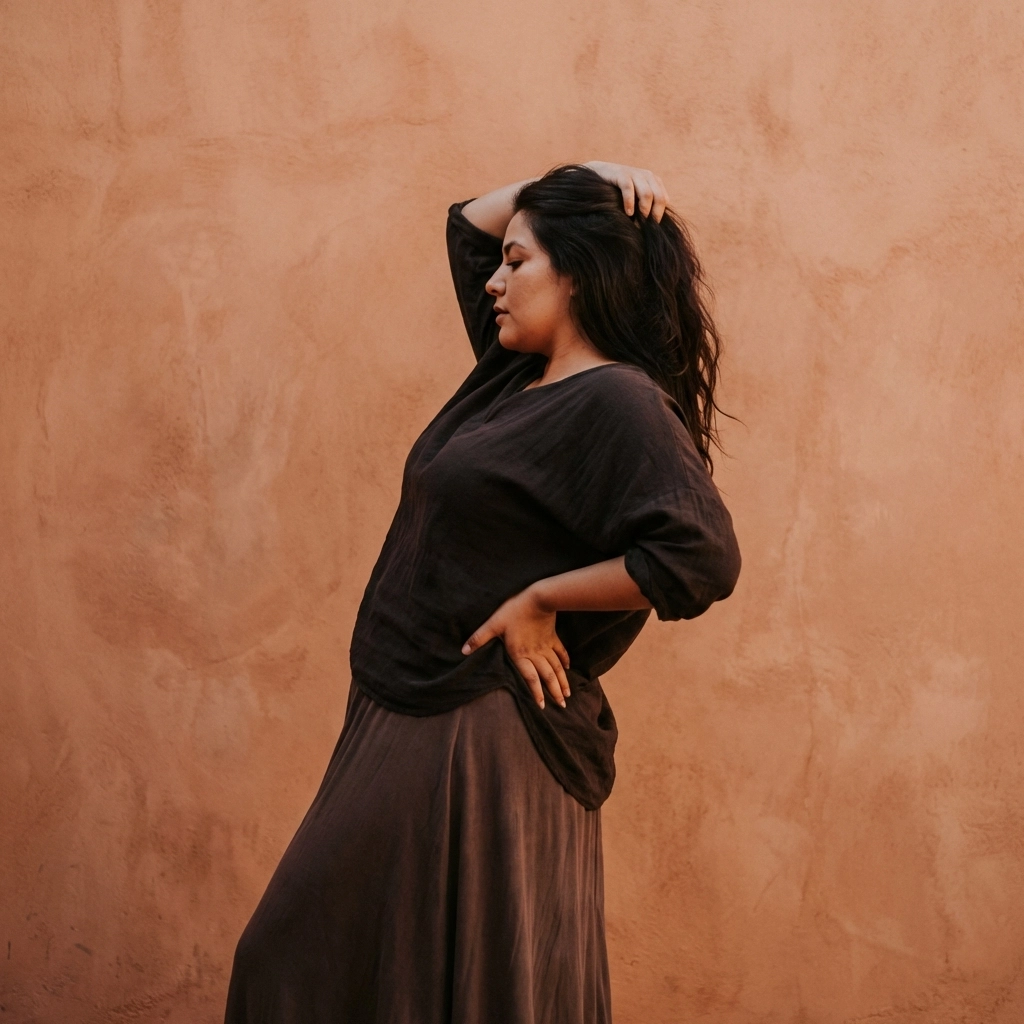
Posing is often the most challenging part for beginners. The goal is to make the model look natural, even if the pose itself is somewhat athletic or stylized. A good rule of thumb is to look for "S" curves. The human body naturally flows in curves, and your job is to accentuate them.
Avoid "flat" poses where the model is squared up directly to the camera. Instead, have her shift her weight, arch her back slightly, or tilt her head. Pay close attention to the extremities: hands and feet can easily look clunky if not directed properly. Tell your model to imagine she is moving through water: slow, deliberate, and fluid. If you're looking for inspiration on how to direct your subject, studying professional boudoir photography poses can give you a great foundation in feminine movement and framing.
The Power of Black and White
While color can be beautiful, there’s a reason why so much fine art nude photography is done in black and white. Removing color strips away the distractions of skin tone or background hues, forcing the viewer to focus entirely on form, texture, and light. It adds an instant layer of timelessness and "artistic" weight to the image. When you're editing, try converting your shots to monochrome and playing with the contrast. You’ll often find that a shot you thought was "just okay" in color becomes a powerful piece of art in black and white.
Post-Processing: Less is More
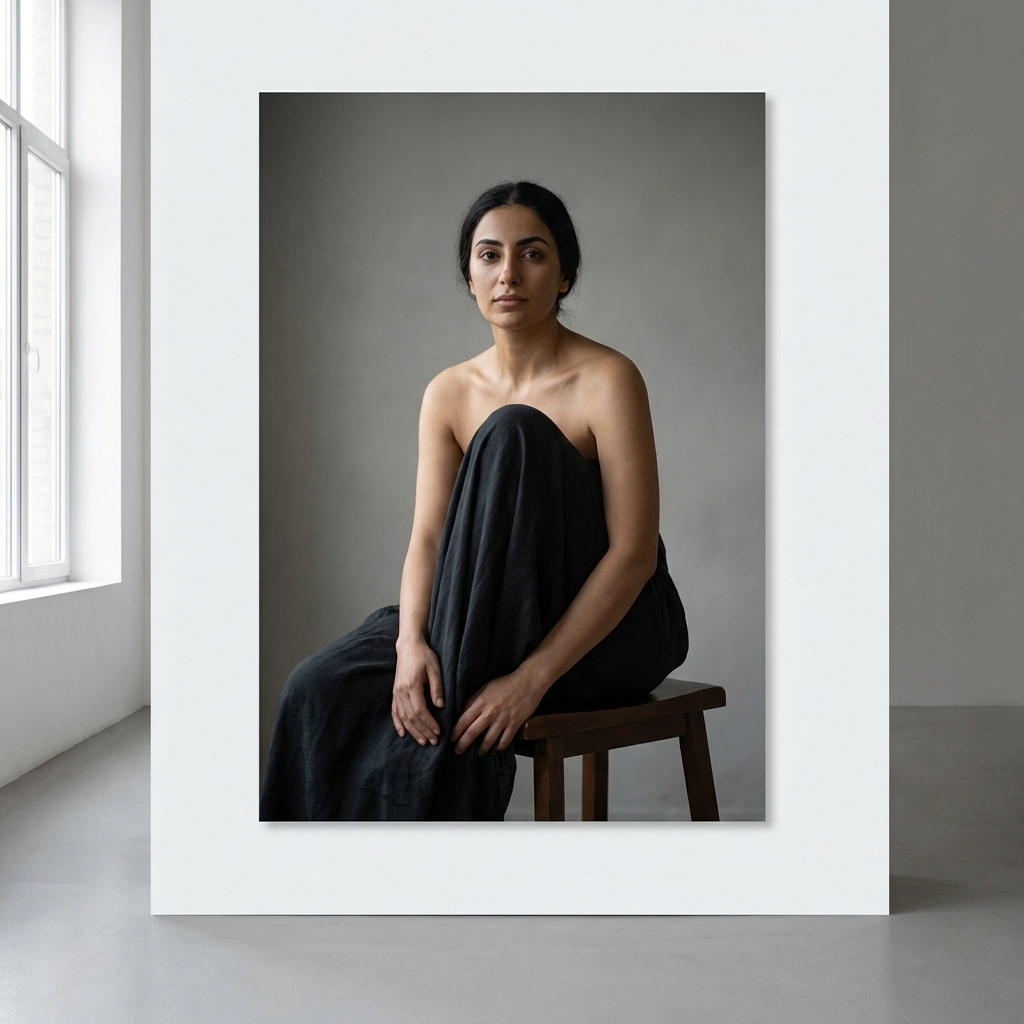
In the world of fine art, authenticity is highly valued. While it’s tempting to go heavy on the retouching, try to keep it subtle. Fix temporary blemishes or distracting background elements, but keep the natural texture of the skin. The goal is to enhance the mood you captured in-camera, not to create a plastic version of a human being. Work on your highlights and shadows to bring out the depth you saw during the shoot.
Final Thoughts
Mastering the artistic human form is a journey that never truly ends. Every model is different, every lighting setup offers new challenges, and your own eye will evolve over time. The most important thing is to keep practicing, stay curious, and always treat the craft with the respect it deserves.
If you're ready to take your skills to the next level and see how the pros do it, there's no better place to learn than within a community of like-minded artists. From behind-the-scenes looks to exclusive galleries that push the boundaries of creativity, you can join the club today and start your journey toward becoming a master of the craft. Keep shooting, keep experimenting, and never stop looking for the beauty in the human form.