
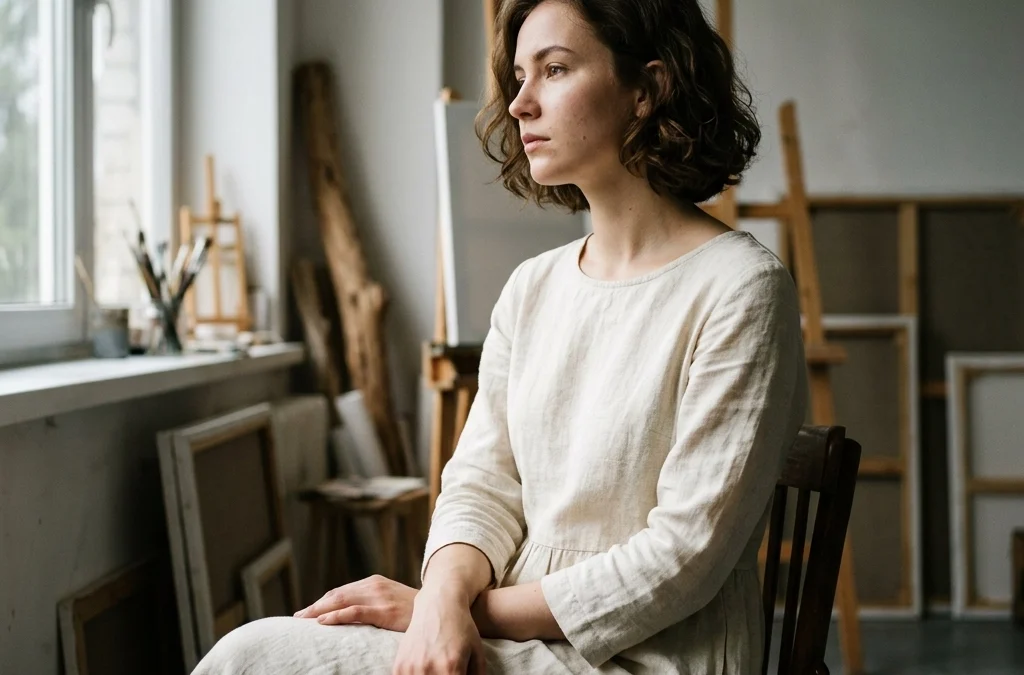
Capturing the raw, unfiltered beauty of the female form is an ancient obsession, yet in the digital age, it has evolved into a sophisticated dance of light, shadows, and soul. Fine art nude photography isn’t just about the absence of clothing; it’s about the presence of a story. It’s the difference between a simple snapshot and a masterpiece that demands attention on a gallery wall. Whether you’re a seasoned pro looking to refine your aesthetic or a newcomer ready to take your first steps into erotic photography, this guide is your roadmap to excellence.
Defining Your Artistic Intent
Before you even pick up your camera, you have to ask yourself: what am I trying to say? Fine art nude photography lives in the space where anatomy meets emotion. Unlike commercial boudoir, which often focuses on the "sell" or the "seduction," fine art is a personal exploration of form, texture, and identity.
The most successful artists in this genre have a "why" that guides every shutter click. Are you fascinated by the architectural curves of the hips? The vulnerability in a woman's gaze? Or perhaps the way skin reflects the harshness of a desert sun? If you find yourself stuck in a creative rut, sometimes looking outside the traditional lens helps. Some creators find that experimenting with digital muses at Candy AI can spark fresh ideas for lighting or unconventional posing styles that they then translate into their live shoots.
Lighting: The Sculptor’s Chisel
In art nude photography, light is your most important tool. It’s what transforms a body into a landscape. You aren’t just photographing a model; you’re photographing how light interacts with her skin.
Hard Light vs. Soft Light
Hard light: think a single, unmodified strobe or the high-noon sun: creates deep, dramatic shadows and high contrast. This is perfect for highlighting muscle definition and the graphic lines of the body. Soft light, like that from a large octabox or a north-facing window, wraps around the figure, smoothing out imperfections and creating a dreamy, ethereal mood.
Low-Key and High-Key Aesthetics
If you’re aiming for something moody and introspective, low-key lighting is your best friend. By keeping most of the frame in shadow and only illuminating the edges of the form (often called rim lighting), you create a sense of mystery. Conversely, high-key photography: shooting against a white background with bright, even light: celebrates the airy, delicate nature of the female form.
Mastering the Pose: More Than Just "Standing There"
Posing nude models is a delicate balance of technical precision and emotional comfort. Your job is to direct the model in a way that feels natural yet looks extraordinary.
- The S-Curve: This is the holy grail of feminine posing. By having the model shift her weight to one leg and tilt her shoulders, you create a natural "S" shape that accentuates the curves of the waist and hips.
- Negative Space: Pay attention to the gaps between limbs and the torso. Triangles created by a bent arm or a tucked knee add visual interest and keep the composition from feeling "flat."
- Tension and Release: Ask your model to extend her toes or slightly arch her back. This subtle tension brings the muscles to life, making the image feel dynamic rather than static.
For a deeper dive into the mechanics of these movements, our fine art nude tutorials offer step-by-step breakdowns that will help you communicate more effectively with your subjects.
Gear: Choosing the Right Glass
You don’t need a locker full of gear to create stunning erotic photography, but you do need the right lens for the job.
- The 50mm Prime: Often called the "nifty fifty," this lens mimics the human eye and is perfect for full-body shots and environmental nudes without distortion.
- The 85mm Prime: The gold standard for portraits. It offers a beautiful compression that makes the subject "pop" from the background, and the bokeh (background blur) is incredibly flattering for skin tones.
- Avoid Wide Angles Up Close: Unless you are going for a distorted, avant-garde look, avoid lenses wider than 35mm when shooting close to the body. They can make limbs look disproportionately large and throw off the classical balance of the figure.
Ethics and Professionalism: The Foundation of Trust
This is the most critical part of the guide. Your reputation as a photographer is built on the trust your models have in you. Nude photography requires a high level of vulnerability from the woman in front of your lens.
- Communication is Key: Always have a pre-shoot consultation. Discuss the level of nudity, the mood, and the intended use of the photos.
- The "No-Touch" Rule: Never touch a model to adjust a pose. Use your words or demonstrate the pose yourself. If you must adjust a stray hair or a piece of fabric, always ask for permission first.
- Model Releases: Never, ever shoot without a signed model release. This protects both you and the model and clearly outlines where the images can be shared or sold.
Shooting in Nature vs. the Studio
Choosing your environment changes the narrative of the shoot entirely.
The Studio
A controlled environment allows for total precision. You can spend hours perfecting a single shadow or a specific highlight on a curve. It’s clinical, professional, and allows for total privacy, which often helps models feel more secure during high-end erotic sessions.
The Great Outdoors
Shooting nudes in nature adds a layer of raw, primal energy to your work. The juxtaposition of soft skin against jagged rocks or flowing water is a classic theme in fine art nude photography. However, it comes with challenges: changing light, weather, and the risk of onlookers. Always scout your location at the time of day you plan to shoot and ensure you have a "plan B" if the weather turns.
The Power of Post-Processing
The shoot is only half the battle. How you edit your images defines your final style.
Black and White vs. Color: Black and white is a staple in the fine art world because it strips away the distraction of color and forces the viewer to focus on light, shape, and texture. It turns a body into a sculpture. Color, however, can be incredibly sensual: warm skin tones against cool shadows can create a rich, inviting atmosphere.
Retouching: In fine art, less is often more. You want to preserve the "realness" of the skin. Removing temporary blemishes is standard, but over-smoothing can make the model look like plastic, stripping away the humanity that makes the art compelling.
Building Your Portfolio and Finding Your Community
Success in this field doesn't happen in a vacuum. You need to see what others are doing, get feedback on your work, and stay inspired. This is a journey of constant learning and refinement.
If you’re ready to stop guessing and start creating work that truly resonates, it’s time to level up. You need access to the best models, the most detailed technical guides, and a community that understands the intersection of art and eroticism. Don’t just be a spectator in the world of photography: become a master of it.
To get the full experience and unlock the secrets used by the world's leading photographers, sign up and join the club today. We provide the inspiration, the education, and the platform you need to turn your passion into a professional-grade portfolio.
Final Thoughts
Fine art nude photography is an ongoing exploration of what it means to be human. It’s about more than just the technical settings on your camera; it’s about the connection you build with your subject and the vision you bring to the darkroom. Keep practicing, keep experimenting, and never stop looking for the beauty in the shadows. Your next masterpiece is just one click away.