
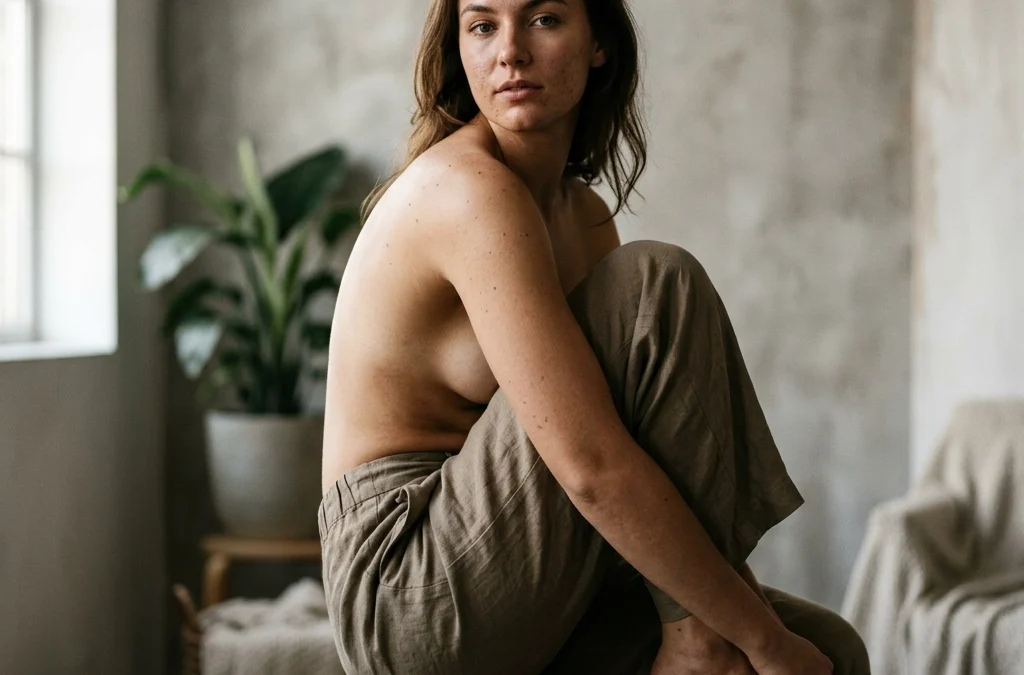
There is nothing quite like the female form. It is the original canvas, the ultimate source of inspiration that has driven artists to madness and greatness for centuries. When we talk about fine art nude photography, we aren’t just talking about taking clothes off. We are talking about the architecture of the body, the way light spills across a curve, and the raw, electric energy that exists between a photographer and a model.
Capturing timeless beauty requires more than just a high-end camera and a willing subject. It requires a vision. Whether you are aiming for high-contrast shadows or the soft, ethereal glow of a morning boudoir session, the goal is always the same: to create something that feels permanent. In a world of disposable digital imagery, art nude photography stands out because it demands to be looked at, not just seen.
The Foundation: Vision and Intent
Before you even touch your shutter button, you need to know what you are trying to say. Are you highlighting the strength of an athlete’s muscles or the delicate softness of a woman in repose? Erotic photography lives in the tension between what is shown and what is felt. To truly master this craft, you have to move beyond the technical and tap into the emotional.
Many photographers struggle with the "blank canvas" phase. If you find yourself stuck on concepts or need to visualize how different body types react to specific lighting setups, playing with tools like CandyAI can be a fantastic way to experiment with aesthetics and composition before you ever step into the studio. It helps refine your eye for what works, allowing you to walk into a shoot with a concrete plan.
Lighting the Form: The Secret to Skin
In nude photography, light is everything. Skin is a complex surface: it reflects, it absorbs, and it glows. If you get the lighting wrong, you lose the depth that makes the body look three-dimensional.
For that classic, high-end look, I always recommend starting with a single light source. This mimics the sun or a single window, creating deep, dramatic shadows that define the anatomy. This is often called Chiaroscuro, a technique used by the Renaissance masters to create a sense of volume. When you are learning lighting for nude photography, focus on how the "short side" of the face and body are lit. This creates a slimming effect and adds a layer of mystery.
If you want something softer, more reminiscent of boudoir photography poses, use a large softbox or a silk scrim. This wraps the light around the curves, softening the transition between highlights and shadows. It’s perfect for capturing the delicate texture of skin across the hips and breasts, giving the image a creamy, tactile quality.
Mastering the Art of Posing
Posing nude models is an art of communication. You aren't just giving directions; you are conducting a silent symphony. The most common mistake beginners make is being too static. The human body is made of fluid lines, not right angles.
Encourage your model to move, to breathe, and to stretch. When a woman arches her back or twists her torso, she creates "S" curves that are naturally pleasing to the eye. Watch the hands and feet: they should be soft and elongated, never clenched. If you’re looking for a deep dive into specific movements that work every time, our fine art nude tutorial section breaks down the mechanics of the body in ways that will completely transform your workflow.
Remember, the goal of erotic nude photography is to celebrate the woman in front of you. Every body is different, and as a photographer, your job is to find the angles that make her feel like a masterpiece. Whether she is a lithe, dark-skinned goddess or a fair-skinned woman with lush curves, the light should always serve her unique form.
The Technical Edge: Gear and Settings
While your vision is the most important tool, your gear shouldn't hold you back. For art nude photography, I’m a fan of prime lenses. An 85mm or a 50mm lens with a wide aperture (like f/1.8 or f/1.2) allows you to blow out the background and keep the focus entirely on the skin.
Keep your shutter speed high enough to avoid any motion blur, especially if you are working with natural light. When shooting nude photography tips for the studio, I usually stick to a low ISO to keep the skin looking as clean and grain-free as possible. You want the viewer to feel like they could reach out and touch the texture of the skin.

Creating a Safe and Creative Space
The quality of your erotic photography is directly tied to the comfort level of your model. A cold studio or a tense atmosphere will show up in the final images as stiff shoulders and forced expressions. Keep the space warm, literally. If she’s naked, she needs to be warm to keep her skin from looking blotchy or getting goosebumps (unless that’s the look you’re going for).
Play music, have a robe ready between sets, and always, always show her the "wins" on the back of the camera. When she sees how incredible she looks through your lens, her confidence will skyrocket, and that’s when the real magic happens. This collaborative energy is what separates a basic photoshoot from a session that produces true fine art.
Post-Processing: The Finishing Touch
In the digital age, the "capture" is only half the battle. When editing fine art nude photography, the key is restraint. You want to enhance the beauty, not erase it. Avoid heavy-handed skin smoothing that makes the model look like a plastic doll. Instead, focus on color grading and local contrast.

A touch of dodging and burning can emphasize the muscles and the flow of the limbs, much like a painter adds highlights to a canvas. Whether you prefer the timeless look of black and white or the rich, cinematic tones of a color grade, make sure your editing style supports the story you’re telling.
Join the Evolution of Erotic Art
The journey of a photographer never truly ends. There is always a new way to see the body, a new way to manipulate light, and a new story to tell through the lens. If you’re serious about elevating your craft and want to see how the pros handle everything from lighting setups to model direction, you need to be in the right room.
Becoming a master of how to photograph nude models takes practice, but it also takes a community of like-minded artists who aren't afraid to push boundaries. We invite you to join the club and gain access to our exclusive vault of high-end galleries, behind-the-scenes content, and technical guides that you won't find anywhere else.
Fine art is about more than just a pretty picture; it’s about capturing the soul of the subject and the passion of the creator. Now, go grab your camera, find your muse, and start creating something that will last forever.
