
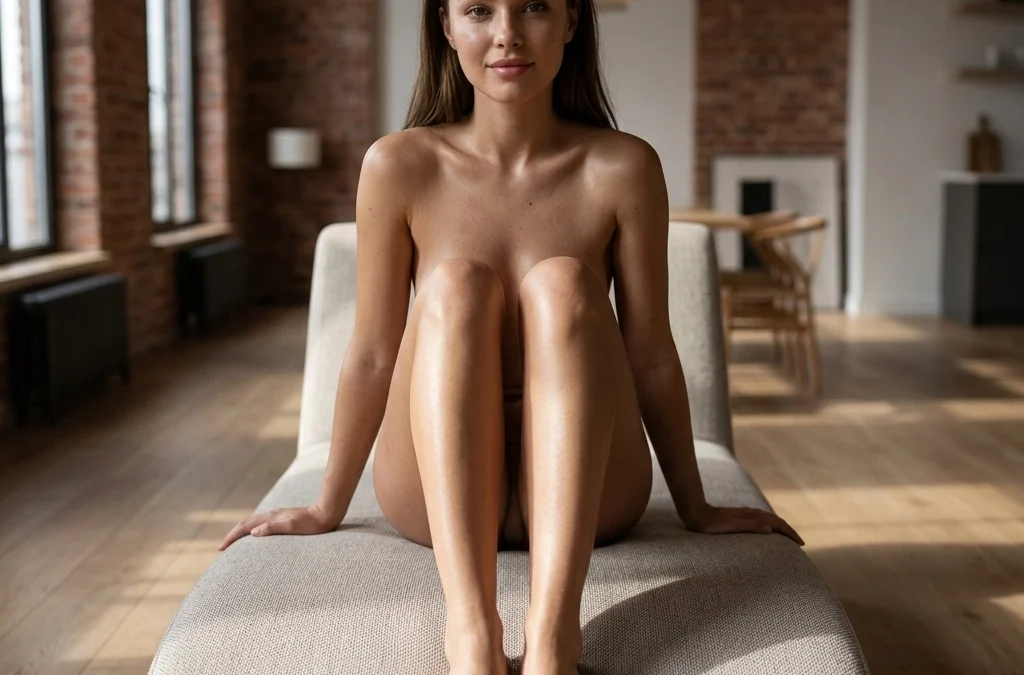
There is something visceral about the human body. When you strip away the clothes, the social status, and the trends, you’re left with the rawest form of art. Fine art nude photography isn’t just about taking pictures of naked women; it’s about capturing the soul through the skin, the tension in a muscle, and the way light dances across a curve. If you want to master this craft, you need to move past the basics and start seeing the body as a landscape of shadows and highlights.
Whether you’re a seasoned pro or just getting your hands dirty in erotic photography, success in this field requires a blend of technical precision and an almost psychic connection with your model. It’s about creating a space where a woman feels powerful, beautiful, and completely at ease in her own skin. Before you even pick up the camera, you might find some inspiration for your next session by exploring the digital aesthetics at CandyAI, which can help you visualize lighting and poses before you ever step into the studio.
The Gear: Tools for the Trade
You don’t need a truckload of equipment to shoot high-end nude photography, but you do need the right tools. A full-frame camera is your best friend here because it handles those subtle skin tones and low-light environments with much more grace than a crop sensor. When it comes to lenses, most of us reach for an 85mm or a 50mm prime. These focal lengths are flattering; they don’t distort the body, and they let you keep a respectful distance while still capturing every intimate detail.
A wide aperture: something around f/1.8 to f/2.8: is the secret sauce for that creamy, dreamlike look. It allows you to blur out the background and focus entirely on the texture of her skin or the curve of her hip. However, don’t be afraid to stop down to f/8 if you’re doing architectural-style shots where every line of her silhouette needs to be tack-sharp.

Lighting: The Language of Erotica
If photography is writing with light, then erotic photography is a sultry poem. You aren’t just trying to show the model; you’re trying to reveal her. Soft, diffused light is the gold standard for a reason: it makes skin look flawless. A large softbox or a beauty dish can create those gentle transitions from light to shadow that define a woman’s form without making it look clinical.
If you want something more dramatic, go for low-key lighting. Use a single light source to create deep, moody shadows. Side lighting is particularly effective for highlighting the texture of the skin and the definition of the muscles. It’s about what you don’t show as much as what you do. Think about how a sliver of light can trace the length of a spine or the edge of a shoulder. This is where the real "art" in art nude photography happens.
Mastering the Pose: More Than Just "Stand There"
Posing is where most photographers stumble. It can feel awkward to direct a naked woman if you aren’t confident in your vision. Your job is to lead. You want to create triangles, elongated lines, and curves that lead the eye through the frame. A slight arch in the back can completely change the energy of a photo, turning a static shot into something full of life and tension.
Pay attention to the hands and feet. They should be soft, never stiff. If she’s standing, have her put her weight on one leg to create a natural "S" curve in her hips. If she’s laying down, watch for how the body settles: sometimes a little lift or a prop can prevent the "flat" look and maintain the three-dimensional beauty of her form. For those who want to master the nuances of direction, our deep-dive tutorials cover everything from classic boudoir poses to avant-garde editorial styles.

Diverse Beauty: Lighting Every Skin Tone
Fine art is about celebrating the spectrum of the human form. Whether you are shooting a pale, porcelain-skinned redhead or a model with deep, rich ebony skin, your lighting approach needs to adapt. Darker skin tones reflect light differently: they often look incredible with high-specular highlights that make the skin appear to glow or look "wet." Lighter skin tones might require more careful shadow management to avoid looking washed out.
The key is to experiment. Don't stick to one "safe" setup. Every woman brings a different energy and a different physical structure to the lens. Your goal is to find the unique angle and the specific light that makes her look like a masterpiece.
The Vibe: Building Rapport and Safety
You can have the best lighting in the world, but if your model is uncomfortable, it will show in her eyes and the way she holds her breath. Professionalism is your most important piece of gear. Keep the studio warm: naked people get cold fast, and goosebumps aren't always the "texture" you're looking for. Have a robe ready, keep the music playing, and always, always communicate.
Never touch a model without asking, and even then, it’s better to demonstrate the pose yourself or use verbal cues. When she feels safe, she’ll give you those raw, authentic expressions that turn a simple nude into a piece of erotic art. This connection is what separates the amateurs from the icons.
Post-Processing: The Final Touch
Once the shoot is over, the work is only half done. Post-processing in fine art nude photography should be about enhancement, not reconstruction. You want to clean up any distracting blemishes, but leave the character of the skin intact. Work on your color grading to set the mood: warm tones for something intimate and inviting, or cool, desaturated tones for something more distant and statuesque.
Contrast is your best friend here. Deepening the blacks and brightening the highlights can add that "pop" that makes a photo jump off the screen. Just remember: the goal is to honor the woman you photographed, not turn her into a plastic mannequin.

Taking Your Passion to the Next Level
Success in this industry doesn't happen in a vacuum. You need a community, you need feedback, and you need a constant stream of high-quality inspiration to keep your creative juices flowing. You need to see how the pros do it, from the way they set their lights to the way they interact with the world's most beautiful models.
If you’re serious about turning your hobby into a professional-grade portfolio, you shouldn't be doing it alone. You need access to the best resources, the most detailed guides, and a network of like-minded artists who live and breathe this craft. The best way to get all of that in one place is to become a member of the Fine Art Nude Club today. You’ll get the inside track on everything we’ve discussed here and so much more.
Fine art nude photography is a journey. It’s a constant process of learning to see the world: and the people in it: with more clarity and more passion. So grab your camera, find your muse, and start creating something that the world won't be able to look away from.