
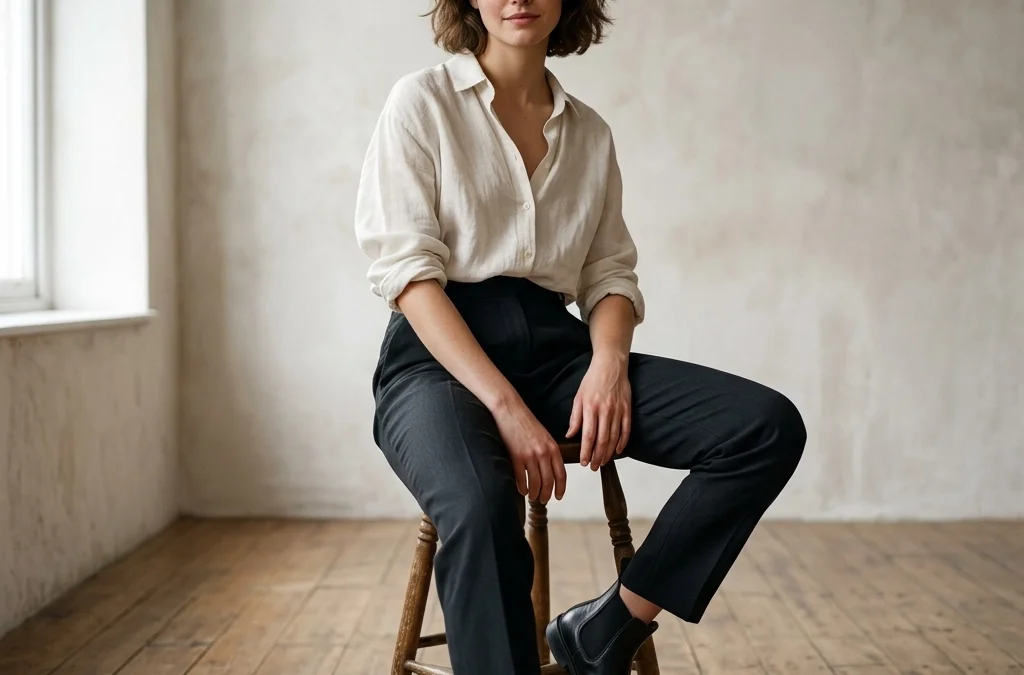
There is nothing quite as raw or as powerful as the naked female form. In the world of photography, stripping away the clothes is about more than just exposure; it is about stripping away the noise to find the architecture of the soul. Fine art nude photography is a dance between the lens and the skin, a high-stakes game of light and shadow where every curve tells a story. Whether you are looking to capture the soft, ethereal glow of a morning boudoir session or the sharp, high-contrast edges of a studio setup, mastering this craft requires a blend of technical precision and an unapologetic appreciation for beauty.
If you’re just starting out, the prospect of a nude shoot can feel a bit daunting. You aren’t just balancing your ISO and shutter speed; you’re managing the energy of a room and the vulnerability of a human being. But don’t worry: I’m Edin, and I’ve spent years navigating these waters. This guide is designed to take you from a curious beginner to a confident creator, helping you turn a naked body into a timeless masterpiece.
Defining Your Vision: The Raw vs. The Refined
Before you even pick up your camera, you need to decide what kind of story you want to tell. Are you going for the gritty, tactile realism of erotic photography, or the soft, painterly aesthetic of classic fine art? There is a thin, often blurry line between the two, and the best photographers know how to walk it with style.
Fine art nude photography often leans into abstraction: using extreme close-ups of a collarbone or the arch of a foot to create shapes that look almost like landscapes. On the other hand, high-end erotic photography embraces the heat, focusing on the gaze, the tension, and the raw magnetism of the model. To get your creative juices flowing, some photographers find it helpful to experiment with digital muses or reference styles at CandyAI to see how different lighting and body types interact before they ever step into a physical studio.
The Equipment: Keep It Simple, Keep It Fast
You don’t need a truckload of gear to take incredible nudes. In fact, too much equipment can clutter the space and kill the mood. Your most important tool is your lens.
For fine art work, a prime lens is your best friend. A 50mm or an 85mm with a wide aperture (like f/1.8 or f/1.4) allows you to create that gorgeous, creamy bokeh that makes the skin look like silk. It also helps in low-light situations, allowing you to work with natural light coming through a window without needing to blast the model with harsh flashes.

When you're shooting, you want to be agile. If you’re constantly fiddling with tripods and light stands, you lose the "flow." The best shots often happen in the transitions: when the model is moving between poses or laughing at a joke. Stay handheld if you can, and keep your focus sharp.
Lighting: The Language of the Body
In nude photography, light is your paintbrush. Without it, you’re just taking a picture of someone without clothes. With the right light, you are sculpting a goddess.
- Natural Light: There is nothing sexier than "God’s light." A large, north-facing window covered with a sheer curtain can create the most beautiful, soft wrap-around light you’ve ever seen. It’s perfect for capturing the delicate texture of skin and the subtle gradients of a woman’s hips.
- Chiaroscuro (High Contrast): If you want drama, you want shadows. By using a single light source and letting the rest of the room fall into darkness, you can highlight the "rim" of the body. This is where you see those iconic shots of a glowing spine or the silhouette of a breast against a black background.
- High Key: This is the opposite: lots of light, very few shadows. It’s clean, modern, and feels very high-end. It’s great for emphasizing the purity of the form and the evenness of the skin tone.
If you’re struggling with how to position your lights to get those perfect contours, checking out a fine art nude tutorial can give you the visual breakdown you need to stop guessing and start creating.
The Dance of Posing and Direction
Posing a nude model is an art form in itself. You aren't just telling someone where to put their hands; you are directing an emotional performance. The key here is comfort and communication.
Always start with a "warm-up." Don't expect the first frame to be the cover shot. Let the model find her rhythm. Use "open" and "closed" poses to change the mood. An open pose: limbs extended, chest out: conveys power and confidence. A closed pose: knees tucked, arms wrapped: feels intimate and vulnerable.

Pay attention to the small details. A pointed toe elongates the leg. A slight arch in the back separates the torso from the floor. Fingers should be soft, never "claw-like." If a pose looks uncomfortable, it will feel uncomfortable in the final image. Direct her with your voice, not your hands. Never touch a model to move her; instead, demonstrate the pose yourself or use descriptive language.
Diversity and the Universal Form
One of the most beautiful aspects of this genre is the sheer variety of the human body. As a photographer, your job is to find the unique "architecture" of every woman who sits in front of your lens. Whether she is slim and athletic, soft and curvy, or anywhere in between, every race and body type offers a different set of lines to play with.
Darker skin tones catch highlights in a way that is absolutely breathtaking under studio lights, while paler tones can become almost translucent in natural light. Embrace the stretch marks, the freckles, and the unique textures. That "imperfection" is exactly what makes the art feel human and alive.

Post-Processing: Respecting the Skin
When it comes to editing, less is almost always more. In the era of heavy AI filters, there is a massive craving for authenticity. You want to enhance the beauty, not erase the person.
Focus on Color Grading: Use warm tones to make the scene feel intimate and inviting, or cool tones for a more detached, statuesque look.
Retouching: Clean up temporary distractions like bruises or lint, but leave the permanent features. The goal is "polished," not "plastic."
Black and White: Converting a nude to monochrome is a classic move for a reason. It removes the distraction of color and forces the viewer to focus entirely on shape, light, and texture.
Join the Elite Circle
Mastering the human form isn't something that happens overnight. It’s a lifelong pursuit of seeing the world through a more sensual, artistic lens. But you don't have to do it alone. The best way to level up your game is to surround yourself with the work of masters and a community that understands the delicate balance of this industry.
At the Club, we don’t just show you the finished product; we pull back the curtain on the entire process. From behind-the-scenes sets to technical breakdowns that you won't find anywhere else, we provide the inspiration you need to push your boundaries. If you are ready to take your photography from a hobby to a high-end pursuit, you should join the club today and see what’s possible when you truly embrace the art of the nude.

Final Thoughts for the Beginner
Remember, every great photographer started exactly where you are: feeling a little nervous and staring at a blank memory card. The difference between those who succeed and those who don't is the willingness to be bold. Don't be afraid to make mistakes. Don't be afraid to push the lighting a little too far or try a pose that seems "weird."
The human body is the most complex and beautiful subject you will ever photograph. Treat it with respect, look for the light, and never stop chasing that perfect curve. Whether you're drawing inspiration from the digital realms of CandyAI or working with a live model in a sun-drenched loft, the art is in your hands. Now, get out there and start shooting.