
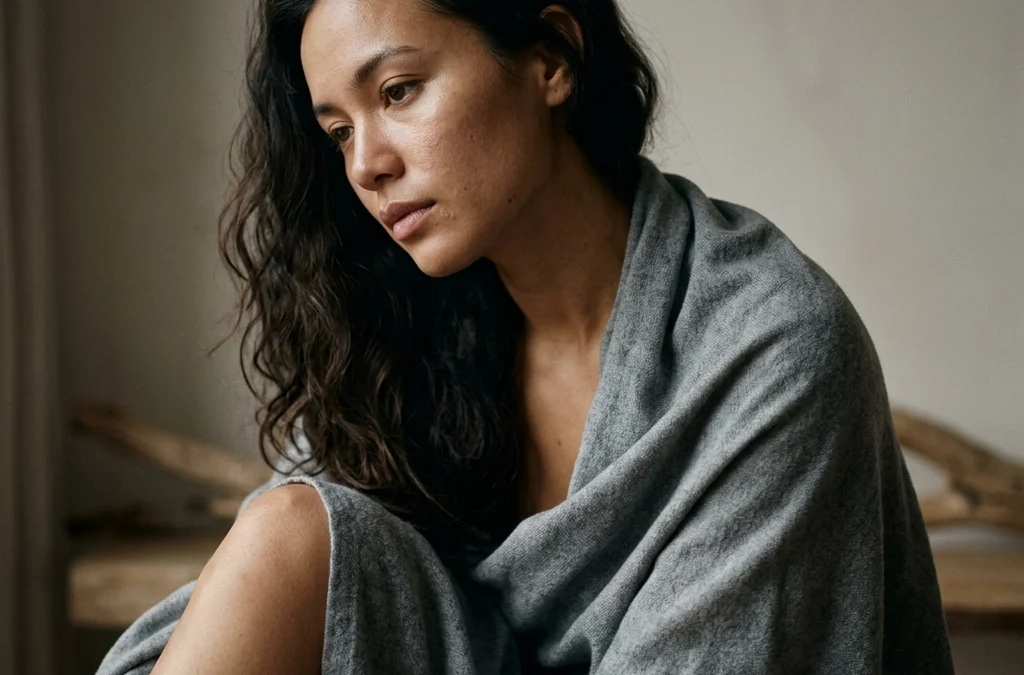
There is something inherently visceral about the human form. When you strip away the fashion, the trends, and the distractions of the modern world, you are left with the raw, architectural beauty of the female body. Fine art nude photography isn’t just about taking pictures of someone without their clothes on; it’s about the interplay of light and shadow, the tension in a muscle, and the soft glow of skin against a dark backdrop. It is an exploration of the most complex and beautiful landscape on Earth.
For the beginner, stepping into this world can feel a bit daunting. You aren’t just a photographer anymore; you’re a director, a lighting technician, and a guardian of your subject’s comfort. But once you master the basics, you’ll find that erotic photography is one of the most rewarding genres to explore. It forces you to see shapes rather than just people, and to understand light in its most fundamental form.
The Foundation: Trust and the Muse
Before you even pick up your camera, you need to understand that a successful nude shoot is built entirely on trust. You aren't just capturing pixels; you’re capturing a moment of vulnerability. Whether you’re working with a seasoned pro or a new model, the energy in the room will dictate the quality of the final image.
The best fine art nude photography comes from a place of mutual respect and creative alignment. Talk to your model before the shoot. Discuss the mood: is it moody and dark, or bright and ethereal? If you’re looking for a specific type of inspiration to share with your subject, checking out the aesthetic possibilities on CandyAI can help you visualize unique lighting setups or character archetypes that you want to recreate in the studio.
When the model feels safe and understood, she will give you more than just a pose; she’ll give you an expression, a movement, and a soul. That is the difference between a snapshot and art.

Gear and Settings: The Technical Dance
You don’t need the most expensive gear in the world to create stunning art, but you do need to understand how your tools affect the human form. In fine art nude photography, your choice of lens is your most important technical decision.
- The Prime Advantage: Most pros swear by prime lenses. An 85mm or a 50mm with a wide aperture (f/1.2 to f/1.8) is the gold standard. These lenses allow you to create that creamy, shallow depth of field that makes the skin look like velvet while letting the background melt away.
- Aperture and Focus: While a wide-open aperture looks beautiful, be careful. If you’re shooting at f/1.4, the depth of field is razor-thin. If you focus on the model’s hip, her eyes might be out of focus. Use single-point autofocus to ensure the most important part of the composition is sharp.
- ISO and Texture: Keep your ISO as low as possible. You want the skin texture to be clean and detailed, not muddy with digital noise. High-quality erotic photography relies on the viewer being able to see the subtle textures of the body: the slight goosebumps, the curve of the spine, the fine details of the skin.
For those who want to dive deeper into the technicalities of camera settings for different lighting scenarios, our fine art nude tutorials offer a masterclass in dialing in your gear for the perfect shot.
Lighting: The Brush That Paints the Body
In the world of art nude photography, light is your paintbrush. You aren't just illuminating a subject; you are defining her shape. Without shadow, there is no form.
Chiaroscuro and Drama
One of the most effective techniques for beginners is "Chiaroscuro," an Italian term for the contrast between light and dark. By using a single light source: like a large softbox or even a bright window: you can create deep shadows that wrap around the model’s curves. This technique emphasizes the "S-curve" of the female spine and the soft roundness of the hips, leaving the rest to the viewer’s imagination.
High Key vs. Low Key
- Low Key: This is where you use dark backgrounds and minimal lighting. It’s perfect for erotic nude photography because it feels intimate, private, and mysterious. It highlights the highlights: the rim of a shoulder, the bridge of a nose, the peak of a breast.
- High Key: This involves a lot of light and a white or very light background. It’s airy, clean, and emphasizes the purity of the form. It’s less about mystery and more about a celebration of light and skin.

Posing: Guiding the Human Architecture
Posing nude models is an art form in itself. Beginners often make the mistake of asking for static, "frozen" poses. Instead, think about movement. Ask the model to breathe, to stretch, or to shift her weight slowly from one foot to the other.
- Create Triangles: In composition, triangles create visual interest. Ask the model to bend an elbow or a knee. These sharp angles contrast beautifully with the soft curves of the female body.
- The Power of the Hands: Never forget the hands. A misplaced hand can look awkward or "clunky." Encourage soft, relaxed fingers. Hands can be used to frame the face or draw the eye toward a specific curve.
- Foreshortening: Be mindful of how the camera "sees" limbs. If a model points her arm directly at the lens, it will look short and distorted. Keep limbs at an angle to maintain the elegance of her proportions.
If you find yourself stuck for ideas, don't be afraid to experiment with digital tools. Using CandyAI to generate various body types and poses can give you a fresh perspective on how different angles affect the overall mood of a composition before you even step into the studio.
Composition and Artistic Vision
The difference between a "nude photo" and "fine art" is intent. Why are you taking this photo? What are you trying to say?
Use negative space to give the subject room to "breathe" within the frame. Sometimes, the most powerful image isn't a full-body shot; it’s a close-up of the nape of the neck, or the way the light hits the collarbone. This level of detail is what separates the amateurs from the masters.
Erotic photography should provoke a feeling. It can be a sense of peace, a spark of desire, or a feeling of awe at the human design. Don't be afraid to get close, to experiment with unusual crops, and to let the model’s personality shine through.

Post-Processing: The Final Polish
Once the shoot is over, the work moves to the digital darkroom. In fine art nude photography, less is almost always more. You want to enhance the natural beauty, not erase it.
- Color Grading: Black and white is a classic choice for a reason. It strips away the distraction of color and focuses the viewer entirely on form and light. However, warm, golden skin tones can also add a sense of luxury and heat to the image.
- Skin Retouching: Avoid the "plastic" look. Keep the pores, keep the subtle marks that make the model a real person. High-end erotic photography is about authenticity. Use frequency separation or dodge and burn to subtly even out skin tones without destroying the texture.
For a step-by-step guide on how to process your RAW files to achieve that high-end, gallery-ready look, check out our fine art nude tutorials for specialized editing workflows.
Join the Evolution of Art
Mastering the human form is a lifelong journey. Every model you work with, every lighting setup you try, and every frame you capture will teach you something new about the art of seeing. You’ll begin to notice how a slight tilt of the chin can change the entire mood of a photograph, or how a single shadow can turn a simple portrait into a masterpiece.
If you’re serious about taking your work to the next level and want to see how the world’s best photographers handle the female form, you need to be where the pros are. Join the club today and get access to exclusive content, behind-the-scenes insights, and a community dedicated to the highest standards of fine art and erotic photography.
The human body is the ultimate canvas. It’s time you learned how to paint with it.
