
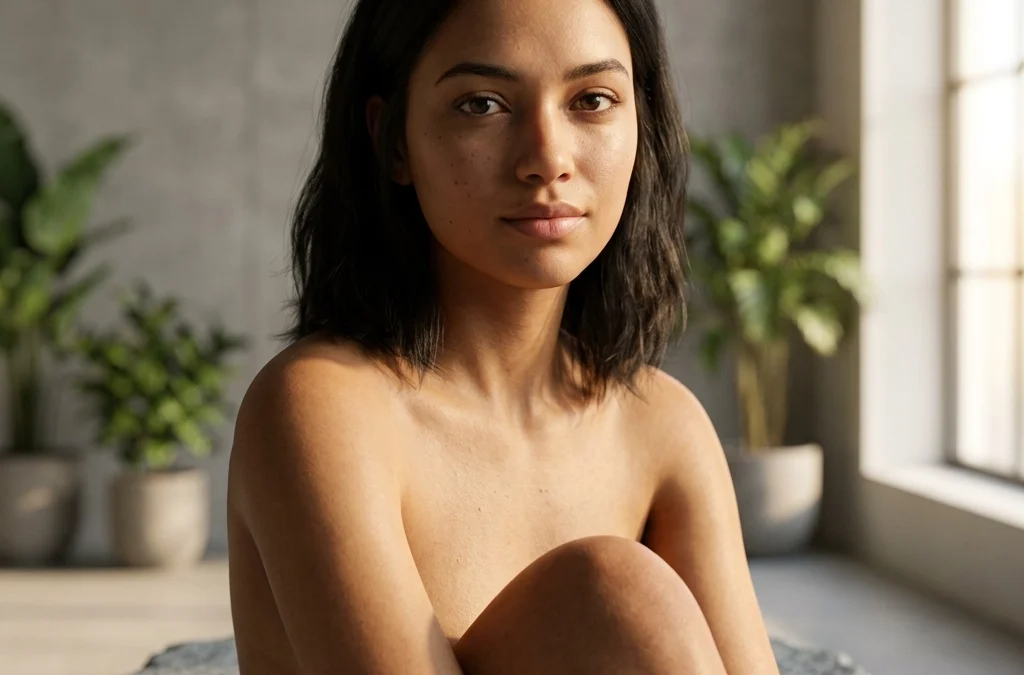
Nude photography is the ultimate test of a photographer's vision. It’s not just about the absence of clothing; it’s about the presence of soul, form, and light. When you strip away the fashion and the props, you are left with the rawest subject in the world: the female body. To elevate your work from a simple snapshot to a museum-quality piece of art, you need a combination of technical precision and an artistic eye that sees the body as a landscape of curves and shadows.
Creating high-end erotic photography requires a shift in mindset. You aren't just taking a picture; you are sculpting with light. Whether you are working in a controlled studio environment or utilizing the soft glow of a window, the goal is to create something timeless. Here are five pro secrets that will transform your approach to art nude photography.
1. Master Light and Shadow as Your Primary Tools
In fine art nude photography, light is your paintbrush, and shadow is your chisel. Most beginners make the mistake of trying to light everything evenly. While that might work for commercial catalog work, it kills the mood in fine art. To create results that feel high-end and cinematic, you must learn to love the dark.
Soft, diffused light is your best friend when you want to create a flattering, ethereal look. It wraps around the model’s curves, smoothing out skin imperfections while providing a gentle transition into the shadows. Think of a large softbox or a north-facing window with a sheer curtain. This type of lighting highlights the softness of the female form.
However, the real magic happens when you intentionally place shadows. Shadows define shape. They create the "edge" of a hip or the dip of a spine. By using a technique like chiaroscuro: high contrast between light and dark: you can turn a body into an abstract series of lines. If you’re struggling to visualize how a specific lighting setup will hit a subject’s curves before your model even arrives, experimenting with digital visualization tools like CandyAI can help you conceptualize the mood and flow of a shoot, allowing you to pre-plan your highlights.

2. Posing as Sculpture: Creating Lines and Tension
When you’re learning how to photograph nude models, the way you direct your subject is everything. A model standing flat toward the camera often looks static and uninteresting. Fine art results come from creating "S-curves" and tension within the body.
Ask your model to create triangles with her limbs: knees bent, elbows out, or fingers grazing the neck. These shapes lead the viewer's eye through the frame. Pay attention to the "negative space": the areas of air between her arm and her waist, or the arch under her back. This space is just as important as the body itself.
Professional erotic photography often relies on the "push and pull" of the body. Have the model arch her back slightly to emphasize the glutes and the curve of the spine. Encourage her to breathe through her mouth to relax the jawline, creating a more raw and sensual expression. Remember, you aren't just documenting a person; you are creating a composition. If you want to dive deeper into the specifics of anatomical direction, our fine art nude tutorial section breaks down complex poses into manageable steps.
3. The Technical Edge: Aperture and Shutter Precision
Technical mastery is the foundation of artistic freedom. While it’s tempting to shoot wide open at f/1.4 for that blurry background, fine art nude photography often demands a bit more depth of field to ensure the entire form is sharp and textural.
A "sweet spot" for many fine art photographers is around f/5.6. This aperture provides enough depth to keep the model’s entire body in focus while still offering a subtle fall-off in the background. It ensures that the texture of the skin: the goosebumps, the fine hairs, the pores: is rendered with breathtaking detail.
When it comes to shutter speed, you have two choices: frozen perfection or artistic motion. For standard, relaxed poses, a shutter speed of around 1/125th or faster is standard. However, if you are incorporating movement: like a model tossing her hair or turning quickly: you might drop the shutter speed to 1 second to create a purposeful blur. This adds a sense of "spirit" and fluidity to the image that static shots lack. For the ultimate precision, use a tripod and a cable release. In a world of shaky handheld shots, the crispness of a well-executed tripod shot stands out as a mark of a pro.

4. Incorporate Textiles and Atmosphere
To move your work into the realm of erotic nude photography that feels like high art, stop thinking about the shoot as just a girl in a room. Think about the atmosphere. Texture is a powerful way to add a layer of complexity to your images.
Experiment with flowing materials like silk, organza, or lace. These fabrics can be used to partially veil the model, creating a sense of mystery and "peek-a-boo" eroticism that is far more powerful than full exposure. The way a piece of sheer fabric catches the light can add a dreamlike quality to the frame.
Don't forget the environment. Whether it's the rugged texture of a concrete wall or the soft velvet of a vintage sofa, the background should complement the model’s skin. Using elements like water, oil on the skin, or even smoke can add a visceral, raw quality to the session. The contrast between the soft, smooth skin of a beautiful woman and a rough, industrial background creates an instant visual hook.

5. The Meticulous Art of Post-Processing
The shoot is only half the battle. In the world of high-end fine art, the "darkroom" (or Photoshop) is where the masterpiece is finished. You should expect to spend significant time: often 3 to 4 hours per image: on high-level retouching.
This isn't about making the model look like a plastic doll. It’s about refinement. You want to remove distracting elements like dust on the lens, stray hairs, or temporary skin marks, but you must preserve the natural texture of the skin. Frequency separation is a common professional technique used to even out skin tones while keeping the texture intact.
Color grading is another vital step. A slight shift toward warm, golden tones can make a boudoir-style shot feel intimate and inviting, while a desaturated, high-contrast black and white edit can make a sculptural nude feel timeless and powerful. Consistency in your editing style is what eventually builds your "brand" as an artist.

Elevate Your Craft
Photographing the nude female form is a journey that never truly ends. Every model brings a different energy, and every light source offers a new way to see the human body. It requires patience, respect, and a relentless drive for perfection. You have to be willing to fail, to experiment, and to push the boundaries of what is considered "standard" photography.
If you are serious about mastering these techniques and want to see how the world’s best photographers handle lighting, posing, and post-production, there is no better place to learn. You can gain access to exclusive behind-the-scenes content, high-resolution galleries, and expert-led lessons by choosing to membership. Joining a community of like-minded artists is the fastest way to sharpen your skills and start producing the kind of work that demands attention.
The human body is the most beautiful subject you will ever capture. Treat it with the artistry it deserves, use the secrets of the pros, and watch as your photography transforms from simple imagery into fine art.