
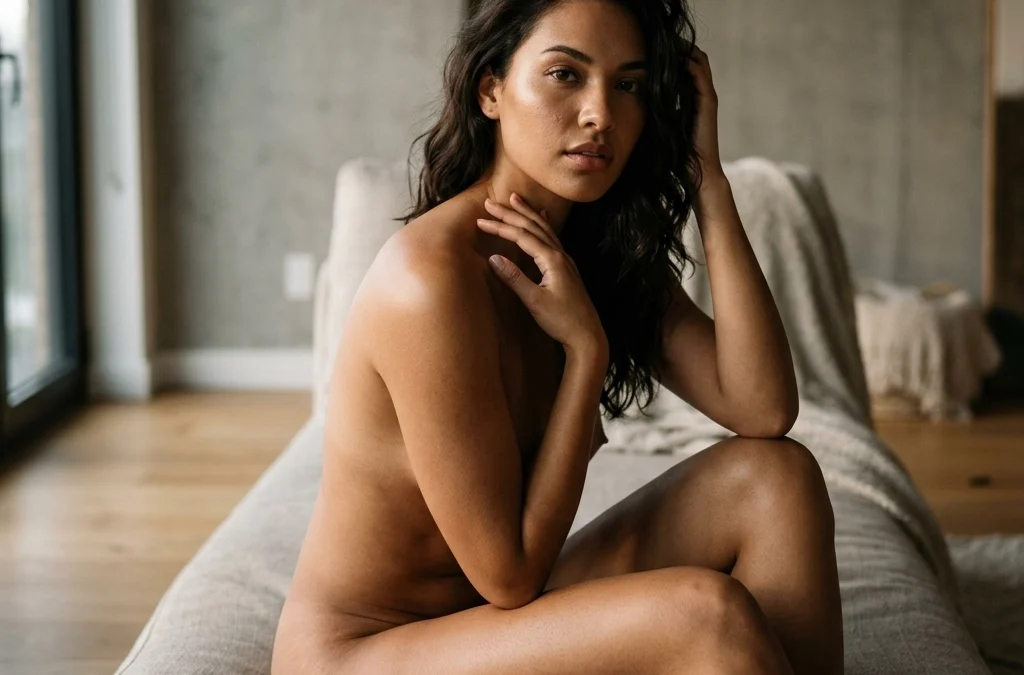
There is something visceral about stripping away the fabric and focusing purely on the human form. Fine art nude photography isn't just about taking a picture of someone without clothes; it's about the interplay of light and shadow, the tension in a muscle, and the raw vulnerability that only comes when the barriers are gone. If you want to move beyond basic snapshots and into the realm of high-end erotic photography, you need more than just a camera. You need a vision, a connection with your subject, and the technical chops to make skin look like a masterpiece.
Whether you are a seasoned pro or just starting to dip your toes into the world of nude photography, this guide is designed to sharpen your eye and your execution. We aren't here for the clinical or the mundane; we are here for the art that makes your heart race.
The Foundation: Trust and Communication
Before you even think about picking up your camera, you need to understand that the relationship between the photographer and the model is the most important piece of equipment you have. In art nude photography, your subject is offering a level of trust that most people never show. You have to honor that.
Start with a clear concept. If you’re feeling a bit stuck on ideas, sometimes browsing digital aesthetics or even experimenting with AI-generated muses on CandyAI can help you visualize the specific curves, lighting setups, or moods you want to recreate in the studio. Once you have your vision, communicate it. Tell her exactly what the vibe is: is it moody and dark? Is it soft and ethereal?
Professionalism is your best friend. Keep the set warm (literally: she’s naked, and goosebumps aren't always the look you’re going for) and keep the music flowing. If the model feels like a collaborator rather than just a subject, the images will have a depth that you can’t fake.
Lighting the Human Landscape
In fine art nude photography, light is your paintbrush. You aren't just lighting a person; you are lighting a landscape of curves, valleys, and textures. The most common mistake beginners make is using too much light. When you flood the scene, you lose the mystery.
Soft vs. Hard Light
Soft, diffused light is the standard for a reason. It wraps around the body, smoothing out skin and creating a gentle transition from highlight to shadow. It’s incredibly flattering for boudoir photography poses and classic fine art shots. Think large softboxes or natural light filtered through a sheer curtain.
However, if you want something more erotic and high-impact, don't be afraid of hard light. A direct, small light source creates sharp shadows that can define a spine, the curve of a hip, or the arch of a foot with dramatic intensity. This is where you find the "art" in art nude photography: using shadows to hide what you don't want to see and highlights to accentuate what you do.

The Power of the Silhouette
One of the most powerful tools in your kit is the silhouette. By placing your light source behind the model and exposing for the background, you strip away the detail and focus entirely on the shape. This is a fantastic way to ease a new model into the process or to create something timelessly elegant.
Posing: It’s All About the Angles
Posing nude models is an art form in itself. You aren't just telling someone where to stand; you are directing a physical narrative. The key is to create triangles and "S" curves. When the body is straight and flat to the camera, it often looks "blocked" and loses its grace.
Ask your model to put weight on one leg, to arch her back slightly, or to reach her arms overhead. These movements create tension and elongate the limbs, making for much more compelling erotic nude photography. Remember, even the smallest movement: a tilt of the head or the placement of a hand: can change the entire mood of the shot. If you want to dive deeper into specific posing techniques and technical setups, our fine art nude tutorials offer a wealth of knowledge that can help you master the nuances of the female form.

Gear and Technical Settings
You don't need a $50,000 setup to take world-class photos, but you do need to know how to use what you have. For most nude photography, a prime lens in the 35mm to 85mm range is ideal.
- 35mm: Great for environmental nudes where the location (a rugged beach or a gritty warehouse) is as much a part of the story as the model.
- 50mm: The "nifty fifty" is perfect for realistic proportions.
- 85mm: This is the gold standard for portraiture. It compresses the features beautifully and creates that creamy background blur (bokeh) that makes the model pop.
When it comes to settings, keep your aperture wide (low f-stop) if you want that soft, romantic feel. If you are doing architectural-style body work where every detail of the skin texture needs to be sharp, stop it down to f/8 or f/11.
The Magic of Black and White
There is a reason so many masters of the craft prefer black and white for fine art nudes. Color can sometimes be a distraction. It draws the eye to the tone of the walls or the shade of a rug. When you remove color, you are left with the purest elements of photography: form, light, and texture.
Black and white allows you to push your contrast further. You can make those blacks deep and inky, giving the image a raw, erotic edge that color often softens too much. It turns a body into a sculpture.
Post-Processing: Less is More
In the world of high-end erotic photography, over-editing is the fastest way to ruin a shot. We’ve all seen those "plastic" looking photos where the skin has been blurred into oblivion. Don't do that. Fine art is about the reality of the human form: pores, slight imperfections, and the natural glow of skin are what make an image feel alive.
Focus on color grading, enhancing the shadows, and perhaps removing a stray hair or a temporary blemish. Keep the soul of the photo intact. The goal is to make the viewer feel like they are standing in the room, not looking at a CGI render.
Elevate Your Craft
Fine art nude photography is a lifelong journey. You can spend decades studying the way light hits a shoulder and still find something new to marvel at. It’s about more than just the technicality; it’s about the passion you bring to every frame and the respect you have for the beauty of your subjects.
If you are ready to stop playing it safe and start creating images that actually mean something, you need to be part of a community that understands the hustle. We aren't just sharing photos; we are building a movement of artists dedicated to the raw, the real, and the beautiful. To get exclusive access to our full library of inspiration and professional insights, join the club today and take your seat among the elite.
Mastering this craft takes time, but with the right guidance, the right models, and a relentless drive to capture the perfect curve, you will succeed. Now, go out there, get your lighting right, and start creating art that matters.