
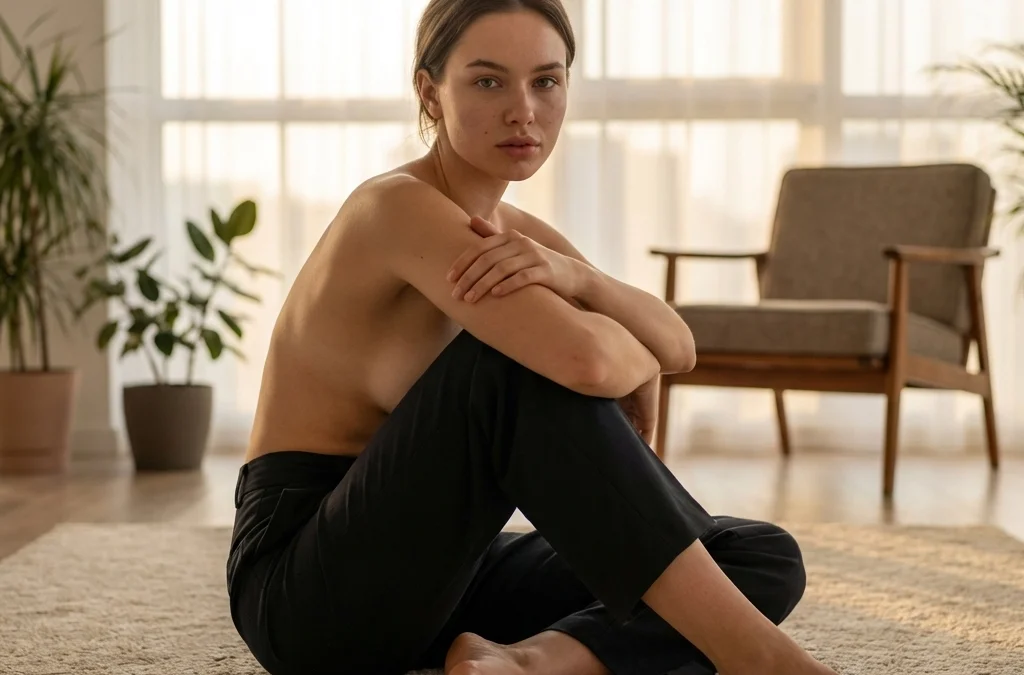
Fine art nude photography is an intoxicating dance between the raw power of the human form and the sophisticated control of light and shadow. It’s not just about taking a picture of someone without clothes; it’s about capturing the soul, the curves, and the quiet electricity that exists when a woman is completely comfortable in her own skin. Whether you are aiming for high-end erotic photography or something more abstract and sculptural, the goal is always the same: to create an image that makes the viewer stop, breathe, and truly see.
At Fine Art Nude Club, we live for this intersection of art and desire. We believe that the female body is the ultimate canvas, and mastering how to document it is a lifelong pursuit. This guide isn't just a technical manual; it’s a roadmap to finding your own voice in a genre that is as challenging as it is rewarding.
The Philosophy of the Form
Before you even pick up your camera, you have to understand what you’re trying to say. Fine art nude photography differs from standard portraiture because the body itself becomes the landscape. Every curve of the hip, every arch of the back, and every subtle shift in skin tone tells a story. When you approach a shoot with an artistic mindset, you aren't just looking for "sexy": you’re looking for harmony, tension, and emotion.
The best art nude photography comes from a place of deep respect for the subject. It’s about celebrating diversity: the way light hits the deep tones of a woman's back or the way a pale curve contrasts against a dark velvet backdrop. To get your creative juices flowing and visualize new aesthetics, sometimes looking at digital interpretations can help. If you're looking for a digital muse to help you brainstorm new poses or lighting scenarios, exploring the AI-generated beauties at CandyAI is a great way to see how light interacts with different body types in a perfectly controlled environment.

Mastering the Light: Your Most Powerful Tool
In erotic photography, light is everything. It can be a gentle caress or a sharp blade. If you want to succeed, you must learn to manipulate it to suit the mood you’re trying to create.
Soft Light for Sensuality
Soft, diffused lighting is the gold standard for creating a romantic, ethereal vibe. By using large softboxes or shooting near a large window with sheer curtains, you wrap the model in a glow that minimizes skin imperfections and emphasizes the softness of the female form. This is perfect for boudoir-style shots where the goal is a dreamlike, inviting atmosphere.
Hard Light and Chiaroscuro for Drama
On the other end of the spectrum is the high-contrast look known as chiaroscuro. This technique uses a single, hard light source to create deep, dark shadows and bright, punchy highlights. This is where fine art nude photography becomes truly sculptural. By hiding parts of the body in total darkness, you leave the viewer’s imagination to fill in the gaps. It’s mysterious, intense, and incredibly sexy.

Gear That Gets the Job Done
You don’t need a room full of expensive gear to create world-class art, but you do need the right gear. For nude photography tips, I always tell my students to prioritize lenses over camera bodies.
- The 85mm Prime: This is the "God lens" of portraiture. It provides a beautiful compression that makes the human form look its best without the distortion you get from wider lenses. The bokeh (background blur) you get at f/1.4 or f/1.8 is legendary.
- The 50mm "Nifty Fifty": If you’re shooting in tighter spaces, a 50mm is essential. It’s versatile, sharp, and mimics the human eye’s perspective.
- Full-Frame Sensor: To capture the subtle gradients of skin tone and the richness of the shadows, a full-frame sensor is a must. It gives you the dynamic range you need to push and pull your files in post-production.
The Art of Posing Nude Models
Directing a model is perhaps the most difficult part of the job. You have to be a director, a coach, and a trusted friend all at once. When you are posing nude models, communication is your most important skill. Never touch a model to adjust her pose: always demonstrate it yourself or use verbal cues.
Start with the "flow" of the body. Ask her to create triangles with her limbs, which creates visual interest and leads the eye around the frame. Encourage her to move, to breathe, and to find poses that feel natural rather than forced. If a pose feels uncomfortable, it will show in her face and her muscles.
For a deeper dive into the technicalities of specific setups, our fine art nude tutorial section offers step-by-step breakdowns that will help you master the nuances of direction and composition.

Creating an Ethical and Creative Environment
The energy on set is reflected in the final image. If the model feels safe, respected, and empowered, she will give you her best work. This means having a warm studio, plenty of water, a private place for her to change, and clear boundaries regarding where the images will be used.
Fine art is a collaboration. Listen to your model’s ideas. Often, the best shots happen in the "in-between" moments when she’s just adjusting herself or laughing at a joke. Those raw, candid moments are frequently more erotic and artistic than any heavily staged pose could ever be.
Post-Processing: The Digital Darkroom
Once the shoot is over, the real magic happens in the edit. Post-processing in fine art nude photography isn't about "fixing" the model; it’s about enhancing the mood.
- Dodge and Burn: This is the most important technique to learn. By manually lightening the highlights and darkening the shadows on the skin, you can literally "paint" more muscle definition and curve into the shot.
- Color Grading: Whether you go for a classic, moody black and white or a warm, cinematic color grade, consistency is key. Your color palette sets the emotional tone of the entire series.
- Texture Preservation: Never "blur" the skin. Fine art is about reality. Keep the texture, the pores, and the subtle imperfections that make a woman real.

Join the Inner Circle
Photography is a journey that never truly ends. There is always a new lighting setup to master, a new perspective to discover, and a new way to celebrate the beauty of women. If you are serious about taking your work from "good" to "unforgettable," you need to surround yourself with the best in the business.
We’ve built a community dedicated to the highest standards of the craft. From exclusive behind-the-scenes content to advanced lighting breakdowns and galleries that push the boundaries of erotic art, there is no better place to grow. To truly elevate your craft and see these techniques in action with world-class models, you should secure your spot and membership today.
Final Thoughts
The world of fine art nude photography is wide open for those who have the courage to explore it with a professional eye and an artistic heart. It requires patience, technical skill, and a deep appreciation for the female form. Don’t be afraid to experiment, to fail, and to try again.
Whether you’re drawing inspiration from the digital perfection of CandyAI or spending hours in the studio perfecting a single light setup, remember that the most important thing you can bring to a shoot is your unique vision. The world doesn't need another boring photo; it needs your art. Now, get out there and start shooting.