
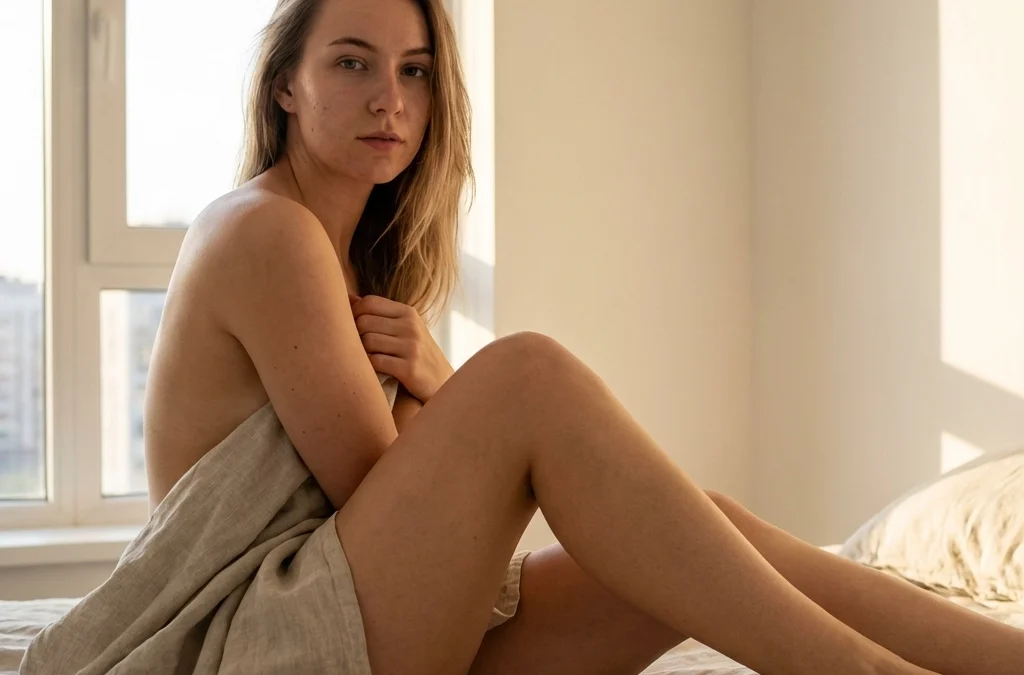
There is something visceral about the human form. It is the oldest subject in art history, yet it remains the most challenging and rewarding. Fine art nude photography isn’t just about taking clothes off; it’s about capturing the raw, erotic energy of a woman and elevating it into something timeless. Whether you are a seasoned pro or just picking up a camera, mastering this craft requires a blend of technical precision, psychological finesse, and an eye for the beautiful details that make every woman unique.
In this guide, we are going to dive deep into what it takes to create high-end erotic photography that commands attention. From the way light grazes a curve to the way a model’s gaze can pierce the lens, we’re covering it all.
The Vision: Defining Erotic Fine Art
Before you even touch your shutter button, you need a vision. What story are you trying to tell? Fine art nude photography is a playground of textures, shadows, and emotions. You aren’t just documenting a body; you’re creating an atmosphere.
Think about the mood. Do you want something dark, moody, and mysterious? Or are you looking for a high-key, ethereal glow that highlights the softness of the skin? Sometimes, I find it helpful to visualize my concepts beforehand. If you’re ever feeling stuck or need to see how a specific lighting setup might look on a certain body type, experimenting with a tool like CandyAI can be a fantastic way to generate inspiration and refine your aesthetic before the shoot even begins.
Diversity and the Muse
The beauty of fine art nude photography lies in its diversity. Every woman brings a different energy to the frame. Whether you are working with a dark-skinned goddess whose skin catches the light like polished mahogany or a porcelain-skinned model who glows in the shadows, your job is to celebrate those differences.
Representing women of all races and backgrounds isn’t just about inclusivity; it’s about the artistic richness that different skin tones and textures provide. The way light reflects off deep, rich tones requires a different technical approach than how it interacts with lighter skin. Understanding these nuances is a key part of becoming a master.

Lighting: The Soul of the Image
Lighting for nude photography is everything. It is the brush you use to paint the body. You can have the most beautiful model in the world, but if the lighting is flat, the image will be dead.
The Power of Shadows
Shadows are your best friend in erotic photography. They create mystery and depth. By using a single light source: like a large softbox or even a window: you can create "Chiaroscuro" effects that emphasize the contours of the body. Let the shadows hide just enough to keep the viewer wanting more.
Natural Light vs. Studio Light
Natural light is incredible for achieving a raw, organic feel. A simple window with some sheer curtains can produce a soft, diffused glow that is incredibly flattering on the skin. On the other hand, studio lighting gives you total control. You can use hard lights to create sharp lines and high contrast, which is perfect for art nude photography that focuses on the "landscape" of the body.
If you want to see exactly how we set up our lights for those high-end, professional looks, our fine art nude tutorial section breaks down the gear and the placement in much more detail.
Technical Settings for Raw Results
You don't need a million dollars' worth of gear to take great photos, but you do need to know how to use what you have.
- Aperture: I love shooting with a wide aperture (f/1.4 to f/2.8) to get that creamy bokeh and a shallow depth of field. This keeps the focus strictly on the subject and helps "melt" the background away.
- ISO: Keep it as low as possible to maintain skin texture. However, don't be afraid of a little grain if you're going for a gritty, cinematic look.
- Lenses: A 50mm or 85mm prime lens is the gold standard for nude photography tips. They provide a natural perspective without distorting the body’s proportions.

Posing Nude Models: Creating Fluidity and Tension
Posing is where most photographers struggle. The goal is to make the model feel comfortable while pushing her to create shapes that look dynamic on camera.
Communication and Trust
The most important part of posing nude models is the connection. You need to talk to her. Be direct, be professional, and be enthusiastic. When she feels confident, it shows in the photos.
The Language of the Body
Encourage movement. Instead of static poses, ask her to arch her back, stretch her arms, or shift her weight. Look for the "S" curve: the natural flow from the shoulders to the hips. Erotic nude photography is often about the tension in the body. A slight tension in the neck or a hand grazing the thigh can add a layer of sensuality that a "flat" pose lacks.
For those focusing on a more intimate vibe, incorporating boudoir photography poses can help transition from standard portraits to something much more provocative and high-end.
The Art of the Detail
Sometimes the most erotic image isn't the full-body shot; it’s the detail. A close-up of the curve of a hip, the texture of the hair, or the way a lip catches the light can be incredibly powerful. These "macro" shots of the female form transform the body into an abstract landscape of skin and shadow.
Experiment with different angles. Get high on a ladder or lie flat on the floor. Changing your perspective can turn a standard shot into a piece of fine art.

Post-Processing: Enhancing the Raw Energy
In fine art nude photography, post-processing should be about enhancement, not reconstruction. You want to preserve the reality of the skin while making it pop.
- Color Grading: This is where you set the final mood. Warm tones can feel intimate and inviting, while cooler tones can feel more clinical or modern.
- Black and White: There is a reason so much art nude photography is in black and white. Removing color forces the viewer to focus on the form, the lighting, and the composition. It’s timeless.
If you are looking to take your editing to the next level, I highly recommend looking through our internal resources. If you’re ready to stop guessing and start creating high-end work, then you need to join the club and see how the pros do it. We have a massive vault of content that shows you exactly how we turn raw files into masterpieces.
Why This Craft Matters
Fine art nude photography is more than just a genre; it’s a celebration of life and beauty. It requires guts to shoot and guts to model. When it’s done right, it bypasses the brain and goes straight to the gut. It’s raw, it’s sexy, and it’s undeniably art.
By focusing on the technical foundations: lighting, posing, and composition: and combining them with a genuine appreciation for the female form, you’ll find your own unique voice in this space. Don't be afraid to experiment, don't be afraid to fail, and most importantly, don't be afraid to be bold.

The journey to mastering the lens is a long one, but there is no better place to start than by immersing yourself in the right community and learning from those who live and breathe this art every day. Keep shooting, keep pushing boundaries, and keep honoring the beauty of the women in front of your camera.