
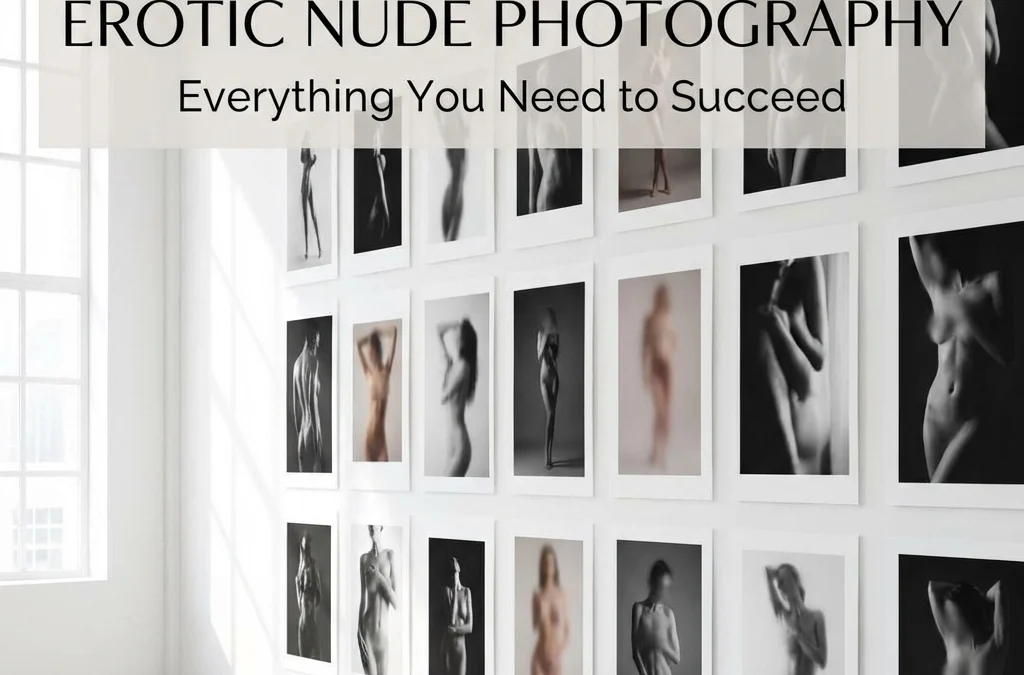
Photography is a language, and when you step into the world of erotic nude photography, you aren't just taking pictures: you’re telling a story. It’s a delicate dance between vulnerability and power, light and shadow, and the raw aesthetic of the human form. Whether you’re a seasoned pro looking to refine your style or a newcomer wondering how to photograph nude models without losing that artistic edge, this guide is designed to give you the technical and creative tools you need to succeed.
Fine art nude photography isn’t about what is revealed; it’s about how it’s revealed. It’s about finding the soul in the curves and the mystery in the shadows. Let’s dive into the essential elements that separate a simple snapshot from a breathtaking piece of art.
The Technical Foundation: Gear and Settings
Before we get into the "vibe" of the shoot, we have to talk about the tools. While you don’t need a $10,000 setup to create beautiful work, understanding your camera settings is non-negotiable for high-quality nude photography.
The Exposure Triangle
For art nude photography, you generally want to create a soft, ethereal look. This is achieved by shooting with a wide aperture (low f-stop). Using an f/1.4 or f/1.8 lens allows you to create a shallow depth of field, which keeps the focus sharply on the model’s skin or eyes while blurring the background into a dreamy bokeh.
Keep your ISO as low as possible: ideally around 100: to ensure your images remain crisp and free of digital noise. When it comes to shutter speed, try to stay above 1/100s if you're shooting handheld to avoid any blur from camera shake.
Focal Length Matters
In the world of erotic photography, the lens you choose dictates the intimacy of the shot. A 50mm lens is great for "seeing" as the human eye does, but an 85mm prime is the gold standard. It provides a beautiful compression that is incredibly flattering to the female form and allows you to give the model personal space while still capturing tight, sensual close-ups.
Lighting for Nude Photography: Painting with Shadow
Lighting is the brush you use to paint the body. In erotic nude photography, lighting is what creates depth, mood, and texture. If the light is too flat, the body looks clinical; if the light is too harsh, you lose the softness of the skin.
Natural Light vs. Studio Light
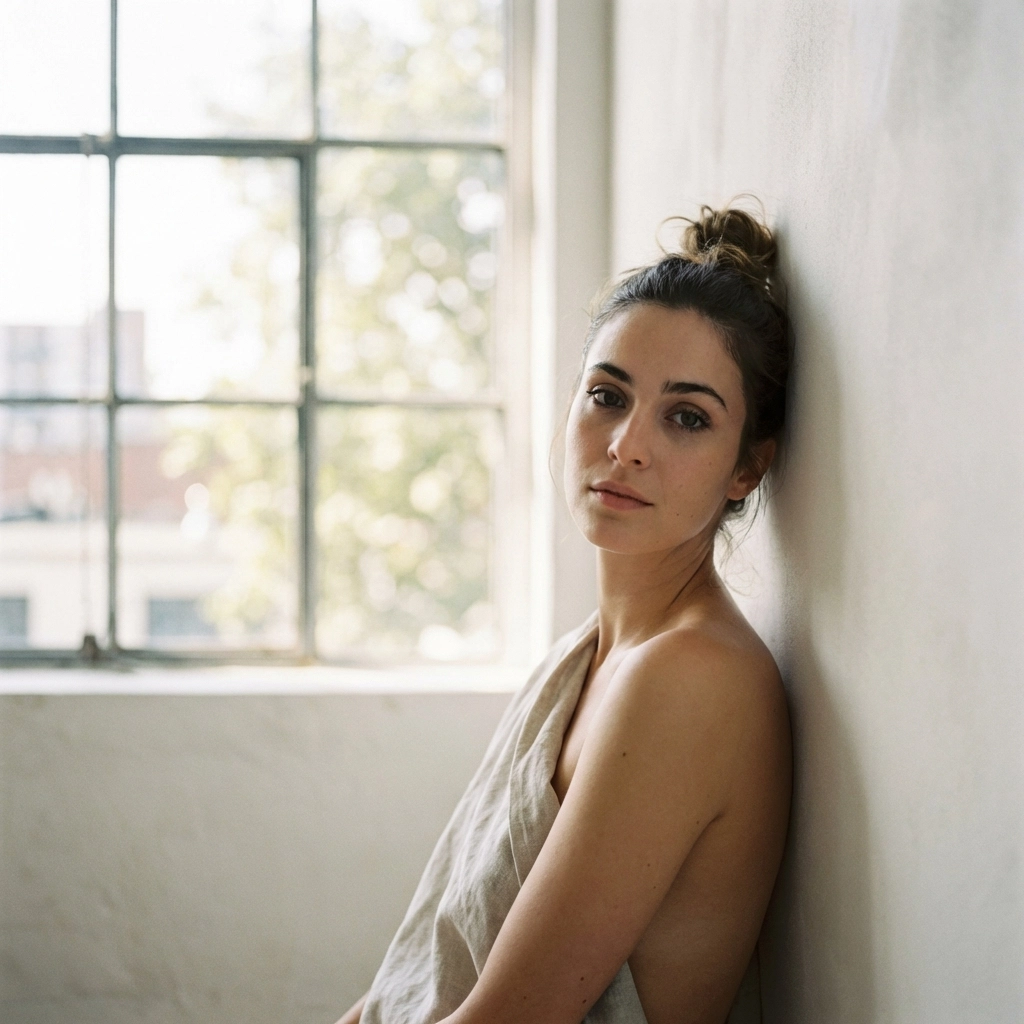
There is nothing quite like the soft glow of window light for boudoir photography poses. A north-facing window provides consistent, diffused light that wraps around the body, highlighting contours without creating harsh highlights.
If you’re working in a studio, side lighting is your best friend. By placing your light source to the side of the model (around 90 degrees), you create shadows that define the muscles, the arch of the back, and the curve of the hips. This technique, often called Chiaroscuro, is a staple in fine art nude photography because it emphasizes the three-dimensional nature of the human body.
Using Reflectors
Don’t forget the power of a gold reflector. When shooting erotic nude photography, a warm skin tone often feels more inviting and "alive" than a cool one. A reflector can help fill in those deep shadows just enough to retain detail while keeping the artistic contrast high.
The Art of Posing: Flow and Form
One of the most common questions is how to handle posing nude models. The key is to avoid "static" poses. You want the body to feel like it’s in motion, even when it’s still.
The Rule of Triangles
A fundamental nude photography tip is to look for triangles. Ask your model to bend an arm, tuck a leg, or tilt her head. Straight lines can look rigid and unnatural. By creating angles: a hand on the back of the neck, a knee pulled toward the chest: you create a dynamic composition that guides the viewer's eye through the frame.
Flow Posing
Instead of giving rigid instructions, try "flow posing." Give the model a starting point: perhaps reclining on a silk sheet: and ask her to move slowly, shifting her weight or changing her gaze every few seconds. This allows you to capture those "in-between" moments that feel authentic and unforced. If you find yourself stuck for inspiration, looking at various styles of digital art or using tools like CandyAI can help you visualize different aesthetics and character poses before you ever pick up the camera.
Creating a Safe and Comfortable Environment
The secret to great erotic nude photography isn't in the camera; it's in the connection. If your model feels uncomfortable, it will show in her eyes, her shoulders, and her posture.
Communication is Everything
Before the first click of the shutter, sit down and talk. Discuss the vision, the boundaries, and the "no-go" zones. During the shoot, be a constant source of positive reinforcement. Tell her when a pose looks incredible. Your job is to make her feel like the most beautiful person in the room.
Physical Comfort
Ensure the studio is warm. A cold model is a tense model. Have a robe ready for breaks, and always play music that fits the mood of the shoot. Whether it's soft jazz or lo-fi beats, the right atmosphere helps everyone get into the "flow state" required for artistic creation.
Mastering the Details and Composition
When you’re learning how to photograph nude models, don't feel like you always have to show everything. Often, the most erotic photography is the kind that leaves something to the imagination.
The Power of the Close-Up
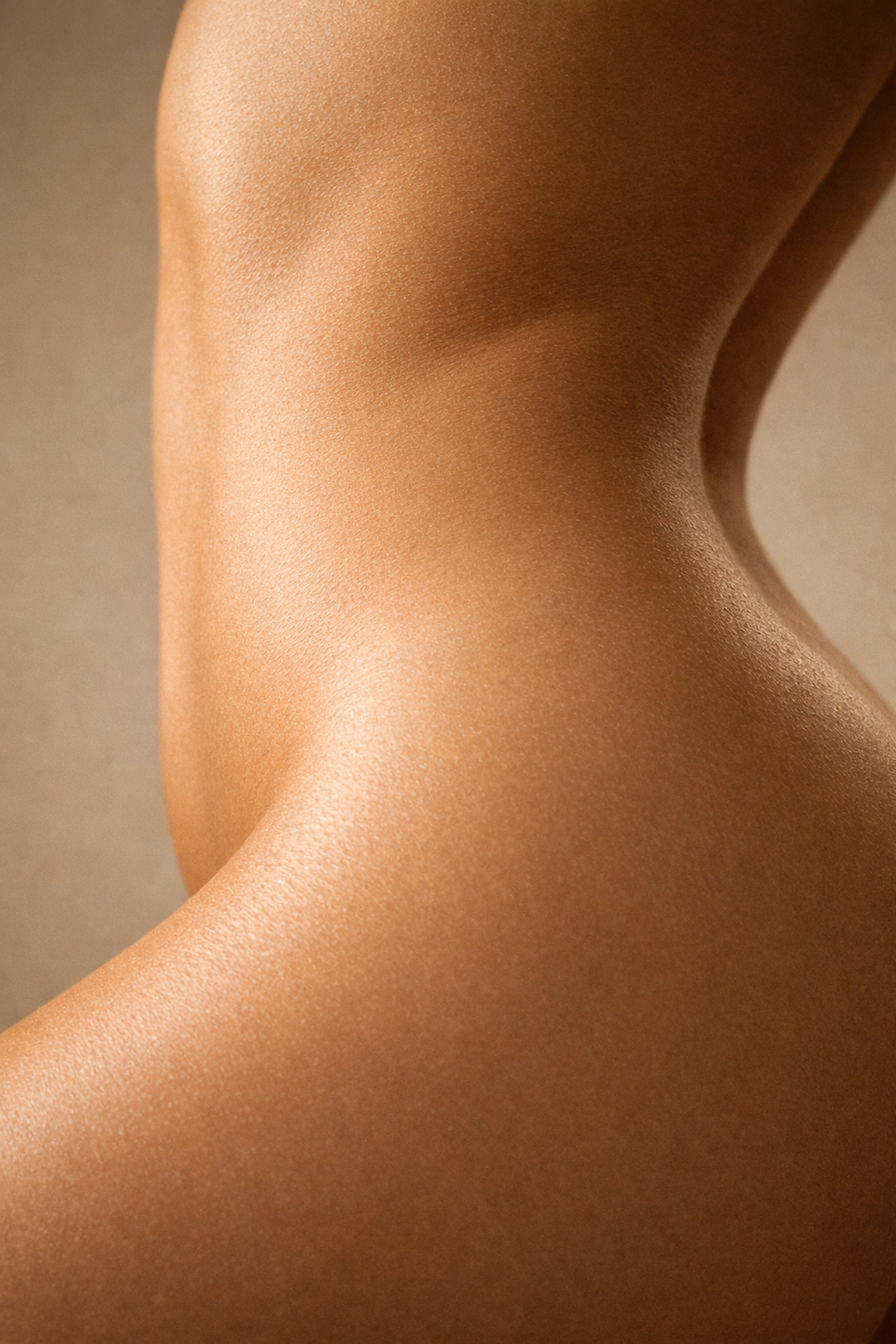
Zoom in. Capture the curve of a shoulder, the texture of the skin, or the way light catches a single drop of water. These macro shots of the body are incredibly powerful in fine art nude photography because they turn the body into an abstract landscape.
Framing the Shot
Use your environment to frame the model. Doorways, curtains, or even the model’s own limbs can be used to "frame" the focal point of the image. This adds a layer of depth and makes the composition feel more deliberate and professional. To see how these elements come together in professional settings, check out our deep-dive tutorials on art nude techniques for more specific walkthroughs.
Post-Processing: The Final Polish
The shoot doesn't end when the model puts her clothes back on. Post-processing is where you define your signature style.
Shooting in RAW
Always shoot in RAW. This gives you the maximum amount of data to work with, especially when it comes to recovering highlights or opening up shadows in those moody, dark shots.
Color Grading and Black & White
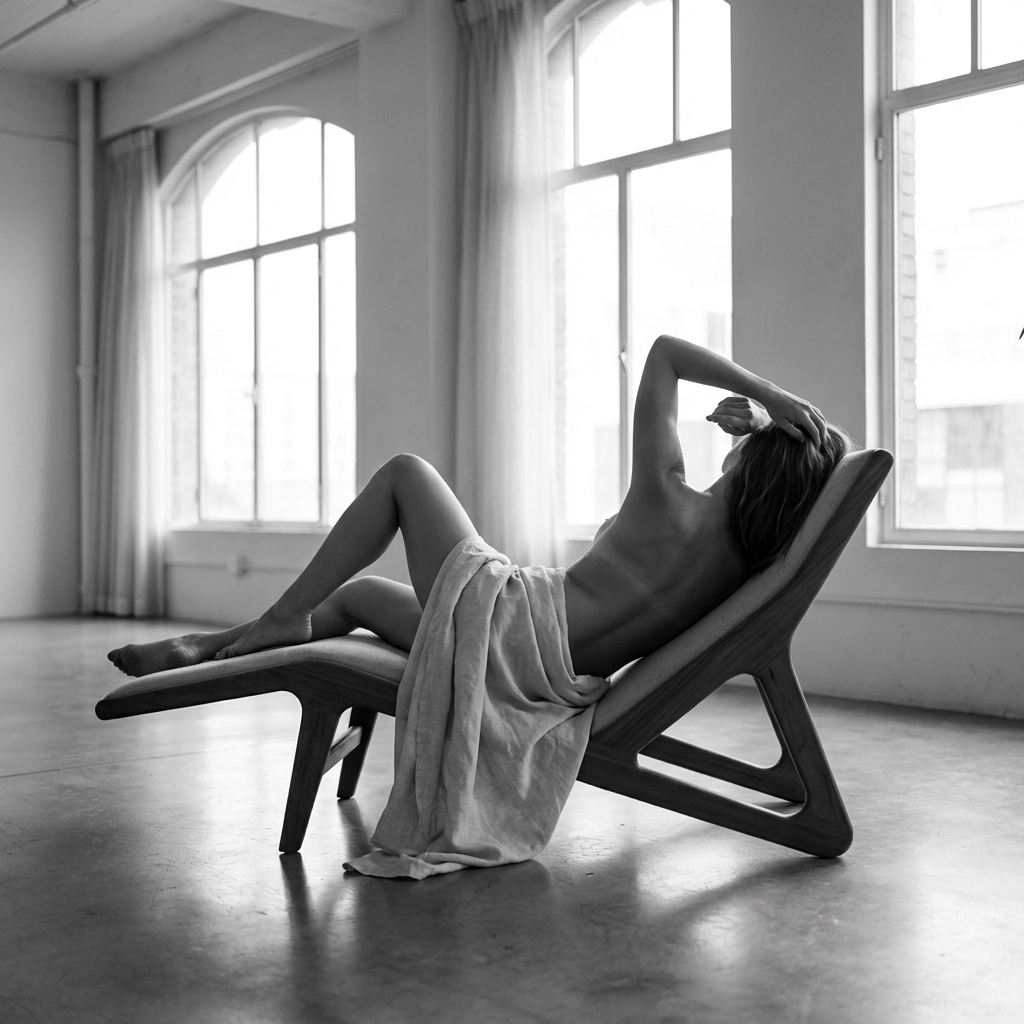
Black and white is a classic choice for art nude photography. By removing color, you force the viewer to focus entirely on the form, the light, and the texture. It simplifies the image and often gives it a timeless, gallery-ready feel. If you stay in color, focus on skin tones. Use frequency separation or subtle dodging and burning to smooth out distractions without making the skin look like plastic. The goal is to enhance the natural beauty, not erase it.
Conclusion: Elevate Your Art
The world of erotic nude photography is a journey of constant learning. It requires a balance of technical precision and emotional intelligence. Every model you work with and every lighting setup you experiment with will teach you something new about the human form and your own creative voice.
If you’re ready to take your skills to the next level and want to see how the pros do it, it’s time to surround yourself with the right community. Join us at the Fine Art Nude Club to get exclusive access to behind-the-scenes content, professional galleries, and a network of artists who share your passion for the beauty of the nude form.
Success in this field isn't about having the most expensive gear; it's about having the vision to see the art in the every day and the heart to capture it with respect and elegance. Get out there, keep shooting, and let the light guide you.