
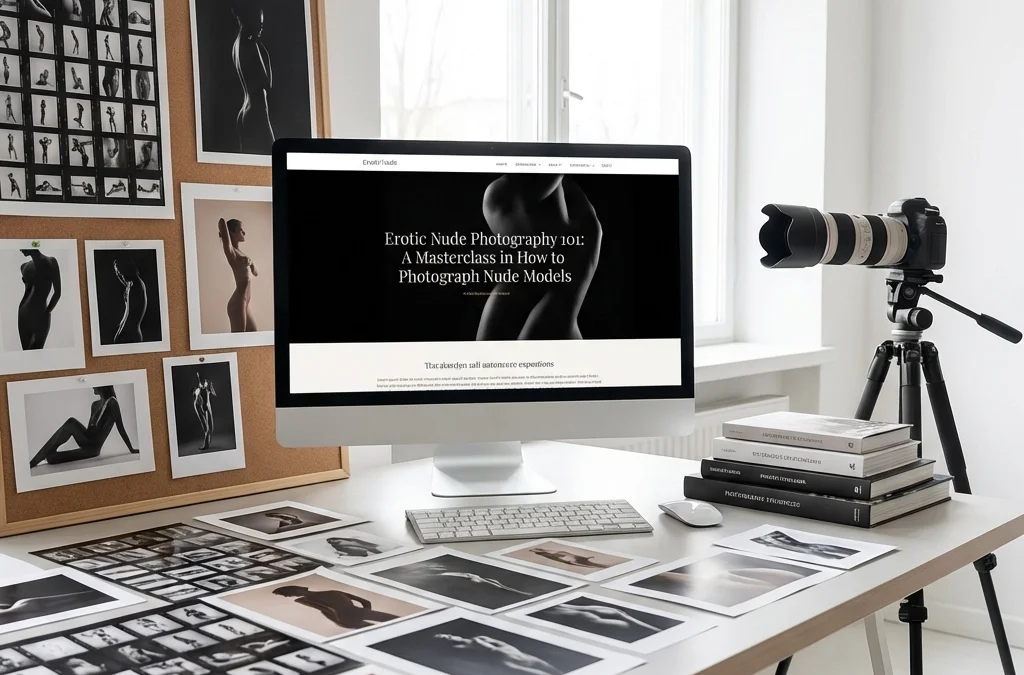
There is a profound difference between taking a picture of someone without clothes and creating a piece of art that celebrates the human form. When we step into the realm of erotic nude photography, we aren't just documenting skin; we are sculpting with light, shadow, and emotion. It is a delicate dance between the technical and the visceral.
Whether you are a seasoned pro looking to refine your eye or a beginner wondering how to photograph nude models for the first time, this masterclass is designed to help you navigate the artistic, ethical, and technical waters of fine art nude photography.
The Foundation: It’s All About the Vibe
Before you even pick up your camera, you need to understand that the most important "gear" in the room isn't your lens, it’s the atmosphere you create. Nude photography is inherently vulnerable. Your model is trusting you with her image and her safety.
Establish a clear line of communication before the shoot begins. Discuss the concept, the level of exposure, and any boundaries. A professional photographer never touches a model without explicit permission. If a stray hair is out of place or a strap needs adjusting, ask her to fix it herself or ask if you may assist before moving in.
Keep the room warm, nobody looks their best when they are shivering, and goosebumps (unless they are part of the "vibe") can be a distraction in post-production. Music, a private setting, and a relaxed attitude from you will go a long way in making the session successful. If you're looking for inspiration or want to practice your framing and composition without the pressure of a live set, checking out tools like CandyAI can be a great way to explore different aesthetics and character types before your model arrives.
Lighting for Nude Photography: Sculpting the Form
In art nude photography, light is your best friend and your most powerful tool. You aren't just illuminating a subject; you are defining the landscape of the body.
1. Soft, Diffused Natural Light
There is nothing quite like the soft glow of a window on a cloudy day. Using thin white drapes can act as a giant softbox, wrapping the model in light that minimizes skin imperfections and emphasizes soft curves. This is often the go-to for boudoir photography poses where the goal is a romantic, ethereal feel.
2. Side Lighting and High Contrast
If you want to create something more dramatic, move your light source to the side. This creates deep shadows that define the musculature and the arch of the spine. Chiaroscuro: the treatment of light and shade in drawing and painting: is a cornerstone of erotic nude photography. By letting parts of the body fall into total darkness, you invite the viewer’s imagination to fill in the blanks.
3. The Power of Shadows
Sometimes, what you don't show is more provocative than what you do. Using "gobos" (objects placed between the light and the model) to create patterns like Venetian blinds or lace shadows across the skin adds a layer of mystery and texture that is incredibly effective in erotic nude photography.
Technical Pointers: Lenses and Settings
When you're learning how to photograph nude models, your choice of focal length matters more than you might think.
- Focal Length: Stick to longer lenses. An 85mm or 105mm lens is perfect. It allows you to maintain a respectful distance from your model while providing a flattering compression that doesn't distort the body. Wide-angle lenses (anything below 35mm) can make limbs look disproportionately long or "bulge" the midsection if you get too close.
- Aperture: For fine art nude photography, a wide aperture (like f/1.8 or f/2.8) is great for focusing on a specific detail: like the curve of a hip or the nape of the neck: while letting the rest of the body melt into a soft blur. However, if you are doing architectural poses where the whole body is the "shape," stopping down to f/5.6 or f/8 will ensure everything stays sharp.
- Black and White vs. Color: Many of the greats prefer black and white for nude photography tips. Removing color strips away the "reality" of the skin and turns the body into a study of form, texture, and light. It instantly elevates the work into the "art" category.
Posing Nude Models: Creating Lines and Shapes
Posing is where the magic happens. You want to avoid "flat" poses where the model is squared up to the camera. Instead, look for triangles, S-curves, and diagonals.
The Arch and the Twist
A slight arch in the back or a twist at the waist creates a more dynamic silhouette. Even when the model is lying down, having her pull one knee up or arch her back slightly away from the surface can prevent the body from looking "compressed" against the floor or bed.
Focus on Details
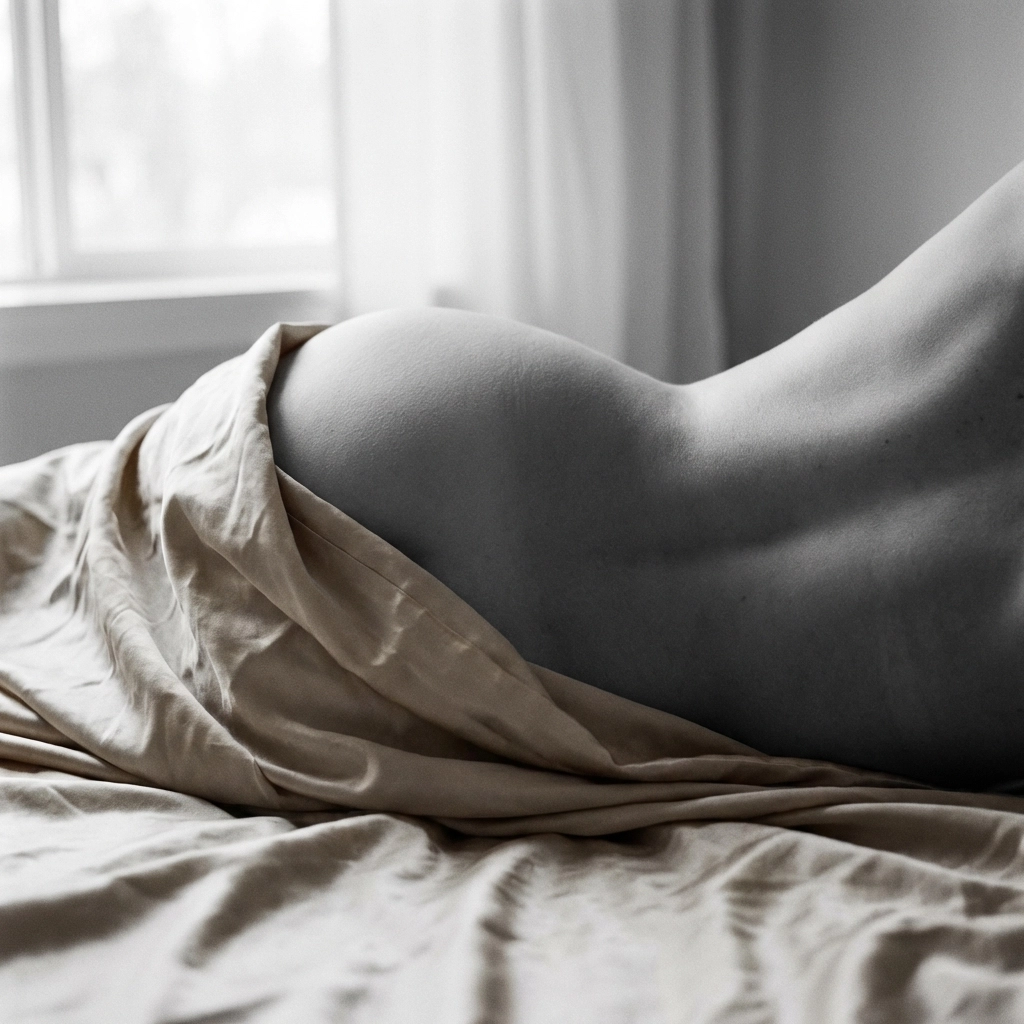
You don't always need a full-body shot. Sometimes the most erotic nude photography comes from the small things: the way a hand rests on a thigh, the curve of the collarbone, or the texture of skin against a silk sheet. To really dive deep into the technical nuances of post-processing and advanced setups, you should definitely browse through our fine art nude tutorials where we break down specific shoots frame by frame.
Anonymity and Mystery
Often, the most powerful art nude photography obscures the face. By focusing on the body as a landscape, you create a universal quality. Profile shots, hair draped over the face, or shooting from behind are all excellent ways to keep the focus on the form itself.
Composition: The Art of Suggestion
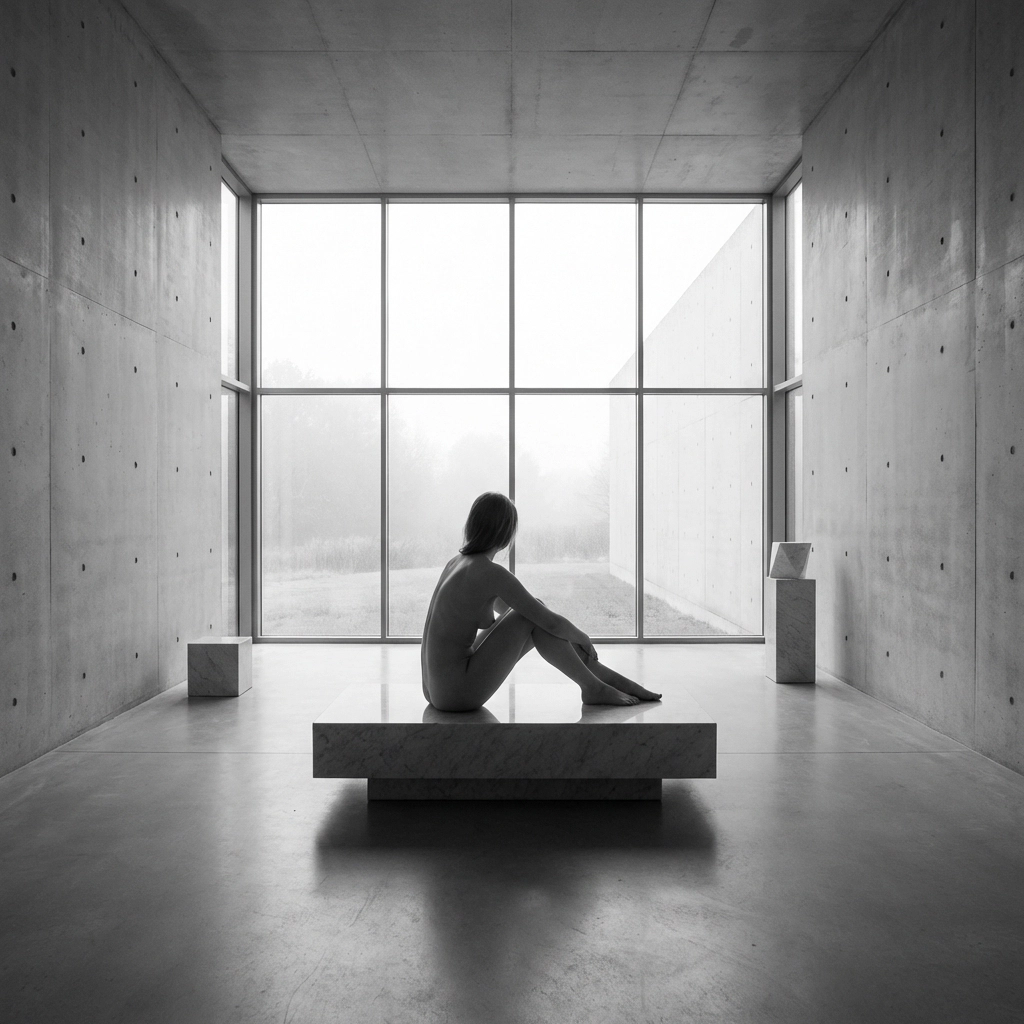
In erotic photography, the "tease" is often more powerful than the "reveal." Think about your framing. Can you use the environment to frame the model? A doorway, the edge of a bed, or even the model's own arms can act as a frame within a frame.
Consider the "Rule of Thirds," but don't be afraid to break it. Centering a model can create a sense of power and confrontation, while placing her off-center can create a sense of candid movement or vulnerability.
The Importance of Post-Processing
When the shoot is over, the work is only halfway done. Fine art nude photography requires a delicate touch in editing. You want to enhance the mood without making the skin look like plastic. Retouching should be about "cleaning" (removing temporary blemishes or distracting elements) rather than "changing" the person.
Play with the tonal range. Deepen the blacks to increase the drama, or lift the shadows for a more vintage, film-like feel. This is where your unique "Artistic" voice really comes through. Every photographer has a signature style, and your editing process is where that signature is signed.
Final Thoughts for the Aspiring Artist
Mastering how to photograph nude models is a journey of constant learning. It requires patience, a keen eye for detail, and a deep respect for your subjects. The human body is the ultimate canvas, and your job is to capture it in a way that feels timeless.
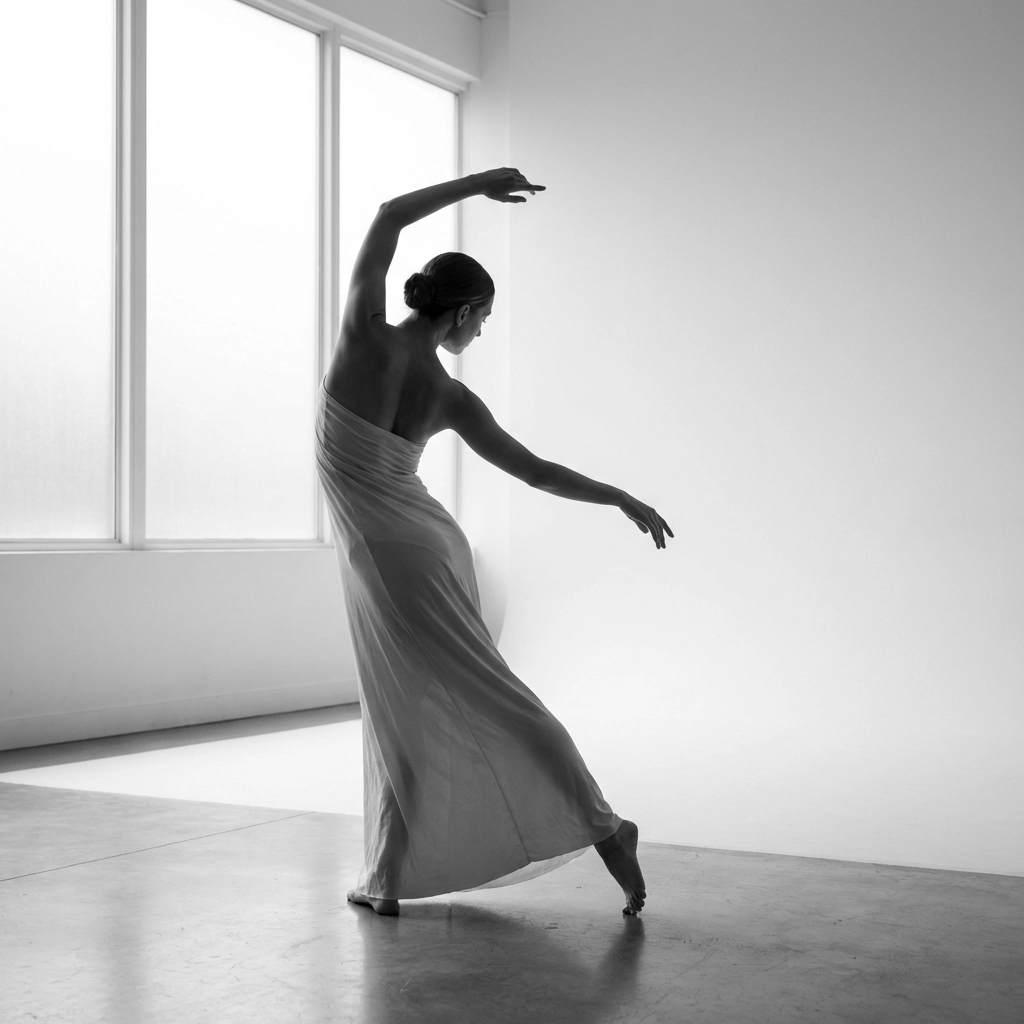
Remember that every model is different. What works for one may not work for another. The best nude photography tips always come back to one thing: observe. Watch how the light hits her skin as she moves. Look for the angles that make her feel confident. When you capture that confidence, the "erotic" and the "artistic" blend into something truly spectacular.
If you are ready to take your appreciation for the form to the next level and see the full realization of these techniques in action with some of the best models in the industry, make sure to join the club here. There’s a whole world of artistic inspiration waiting for you, where we celebrate the female form in all its glory. Keep shooting, keep experimenting, and never stop looking for the light.