
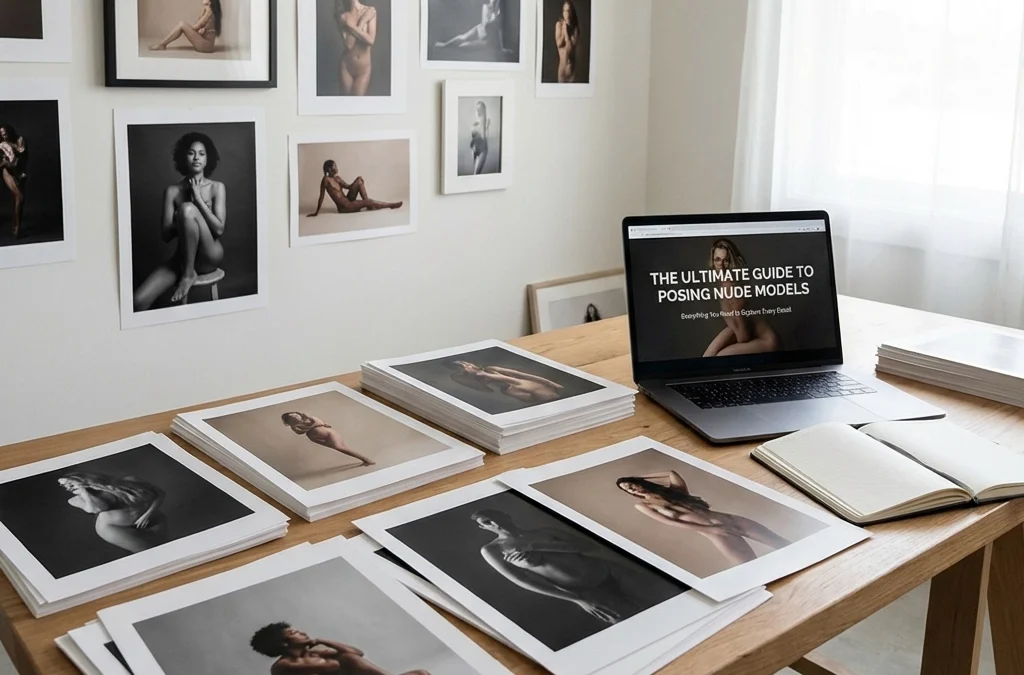
Posing a model is one of the most challenging yet rewarding aspects of photography. When you transition from clothed portraits to fine art nude photography, the stakes change. You aren't just capturing a person; you are sculpting with light, shadow, and the natural architecture of the human body. Without the structure of clothing to define the frame, every curve, muscle twitch, and angle becomes a focal point.
Whether you are just starting out or you’re a seasoned pro looking to refine your eye for erotic photography, understanding the nuances of the female form is essential. It’s about more than just "getting naked": it’s about composition, comfort, and the story you want to tell through the lens.
The Foundation: Communication and Comfort
Before we even talk about camera settings or the "S-curve," we have to talk about the vibe on set. Fine art nude photography requires a level of trust that most other genres don't. Your model needs to feel safe, respected, and clear on the vision.
Start by discussing the mood. Are we going for something soft and ethereal, or sharp and high-contrast? If you find yourself needing a bit of visual inspiration to explain a concept to your model, I’ve found that exploring the creative possibilities at https://candyai.gg/home2?via=ptn1me can be a fantastic way to see how different lighting and poses affect the overall aesthetic of a scene before you even pick up your camera.
Always have a robe and a warm space ready. A cold model is a tense model, and tension shows up in the shoulders and the jaw, which can ruin a perfectly composed shot.
Understanding the "S-Curve" and Body Flow
In art nude photography, the "S-curve" is your best friend. This is the natural flow of the spine and hips that creates a sense of movement even in a static image. When a model stands perfectly straight, the body can look boxy or static. By asking her to shift her weight to one leg: the "contrapposto" technique used by classical sculptors: you naturally drop one hip and raise the other, creating that beautiful, fluid line.
When you’re learning how to photograph nude models, remember that small adjustments make the biggest difference. A slight tilt of the head or a gentle arch of the back can transform a simple snapshot into a piece of fine art.
Mastering Standing Poses
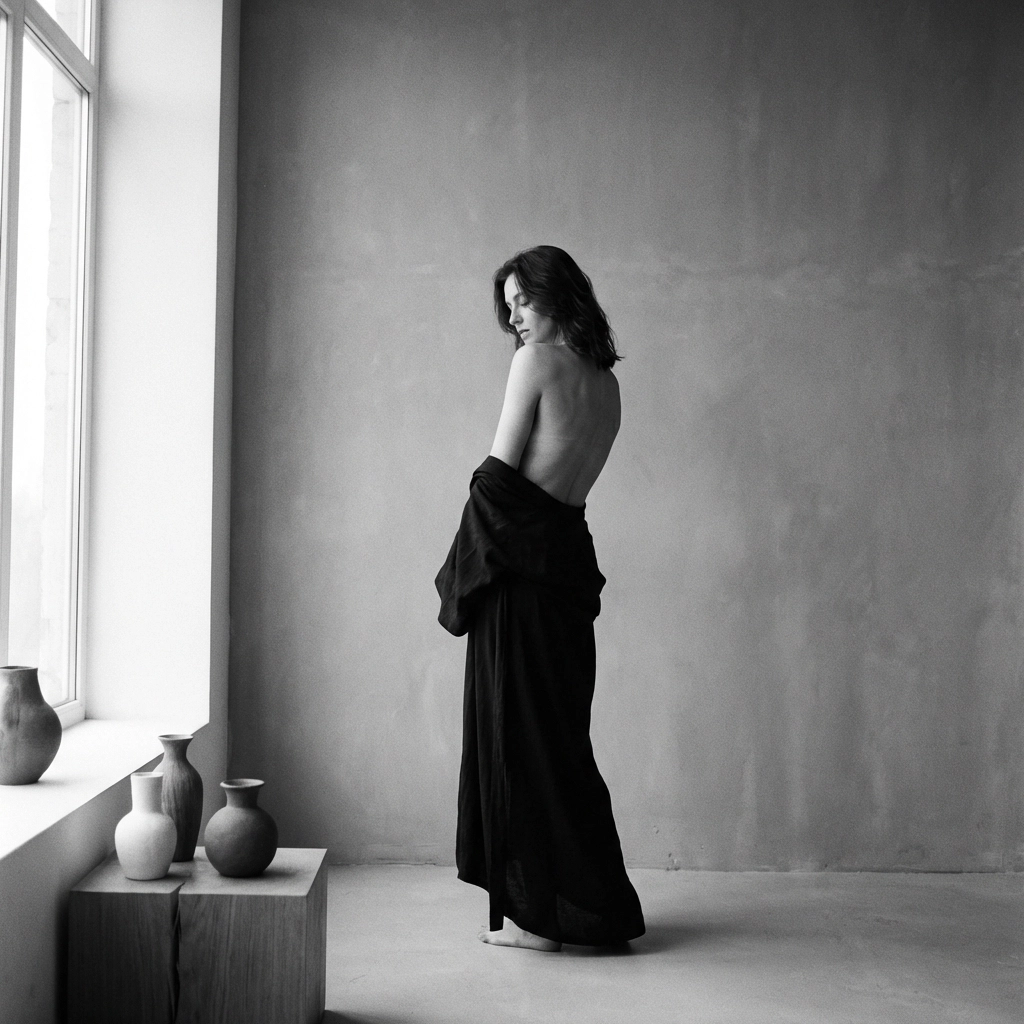
Standing poses are excellent for showcasing the full length of the body and the strength of the model’s silhouette. However, they can also be the hardest to make look natural.
- The Wall Lean: Using a wall provides support and allows the model to experiment with different limb positions. Have her lean her back or shoulder against the surface, which allows for a relaxed arch in the spine.
- The Tip-Toe: Even if the feet aren't in the frame, having the model stand on her tiptoes (or wear invisible heels) elongates the legs and tightens the calf muscles, providing a more athletic and defined look.
- The Reach: Asking a model to reach toward the ceiling or pull her hair up creates length in the torso and opens up the ribcage, which is a staple in erotic nude photography for highlighting the midsection.
The Power of Negative Space
One of the most important nude photography tips is to watch your negative space. Negative space is the area around and between the subjects of an image. In nude work, you want to avoid "merging" limbs with the torso.
For example, if a model has her arms flat against her sides, it can make the torso look wider than it is. By creating a gap: a triangle of light between the arm and the waist: you define the shape of the body more clearly. This is a technique often borrowed from boudoir photography poses, where the goal is to accentuate the waist and hips.
To see these concepts in action with professional-grade walkthroughs, you should join our community here to get full access to our exclusive behind-the-scenes content and member-only galleries.
Seated and Recumbent Poses
Seated poses offer a sense of intimacy and vulnerability. They are perfect for close-up crops and exploring skin textures.
- The Fetal Variation: Having a model pull her knees toward her chest is a classic look. It creates a compact, sculptural form that works beautifully with top-down lighting.
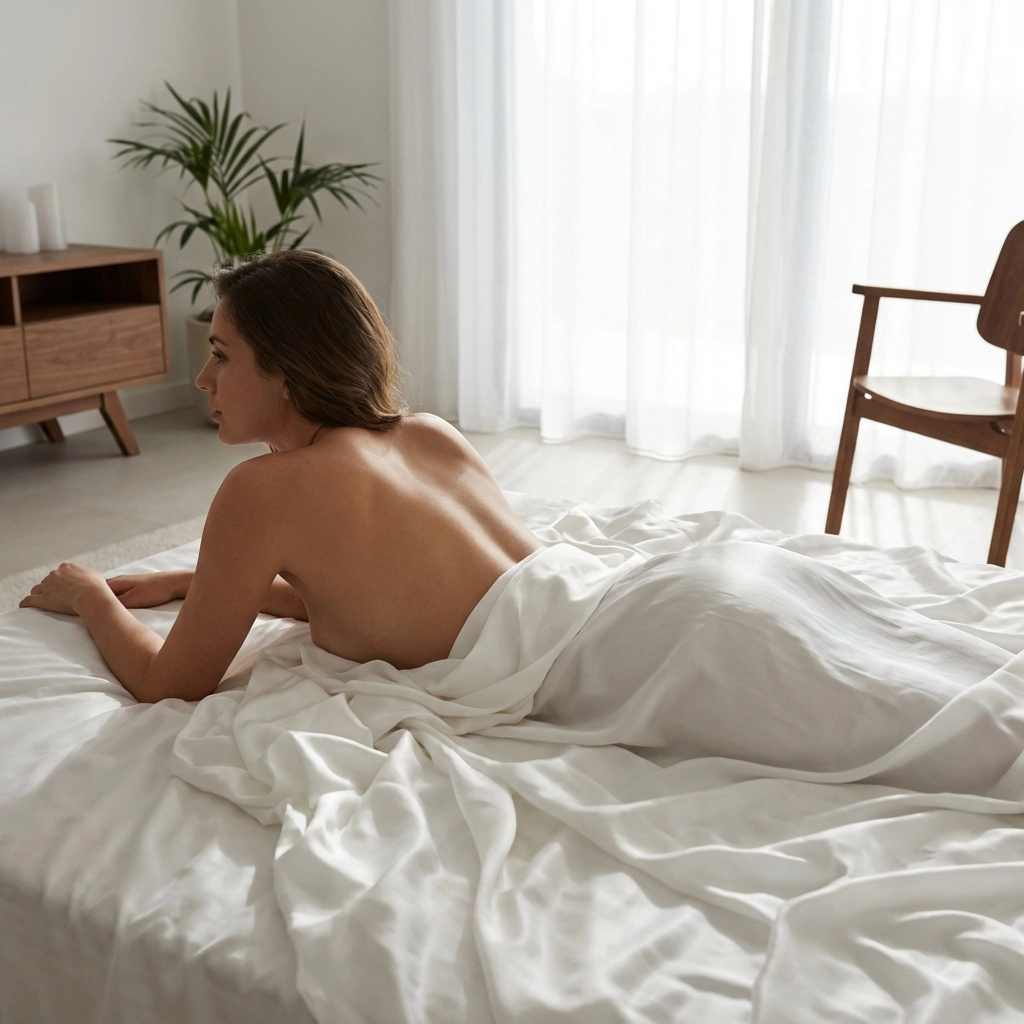
- The Reclining Goddess: Laying on the side allows the hips to become the focal point. To keep the pose from looking "flat," ensure the model keeps her waist lifted slightly off the ground or uses her arm to create some elevation.
Lighting for Nude Photography
You can have the best pose in the world, but without the right light, the image will fall flat. Lighting for nude photography is all about "wrapping" the light around the body.
- Side Lighting: This is the gold standard for art nude photography. By placing the light source to the side, you create deep shadows that define the musculature and the curve of the breasts and hips.
- Backlighting (Rim Light): This creates a glowing "halo" around the silhouette. It’s a very classy way to approach erotic photography without showing too much detail, focusing instead on the shape.
- Natural Light: Never underestimate a large window. The soft, directional light of a window can create a beautiful, painterly feel that is timeless.
If you’re struggling with the technical side of things, our fine art nude tutorial section breaks down specific lighting setups and camera gear that will help you achieve that professional glow.
Focus on the Hands and Feet
The hands and feet can make or break a photo. Clenched fists or "stiff" feet create a sense of anxiety in the image. Encourage your model to keep "ballet hands": soft, slightly separated fingers with no tension.
The same goes for the feet. Pointing the toes helps extend the line of the leg, while a flat foot can look heavy. If a model is sitting, make sure she isn't putting too much weight on a limb, as this can compress the skin and change the natural shape of the muscle.
Angles and Perspectives
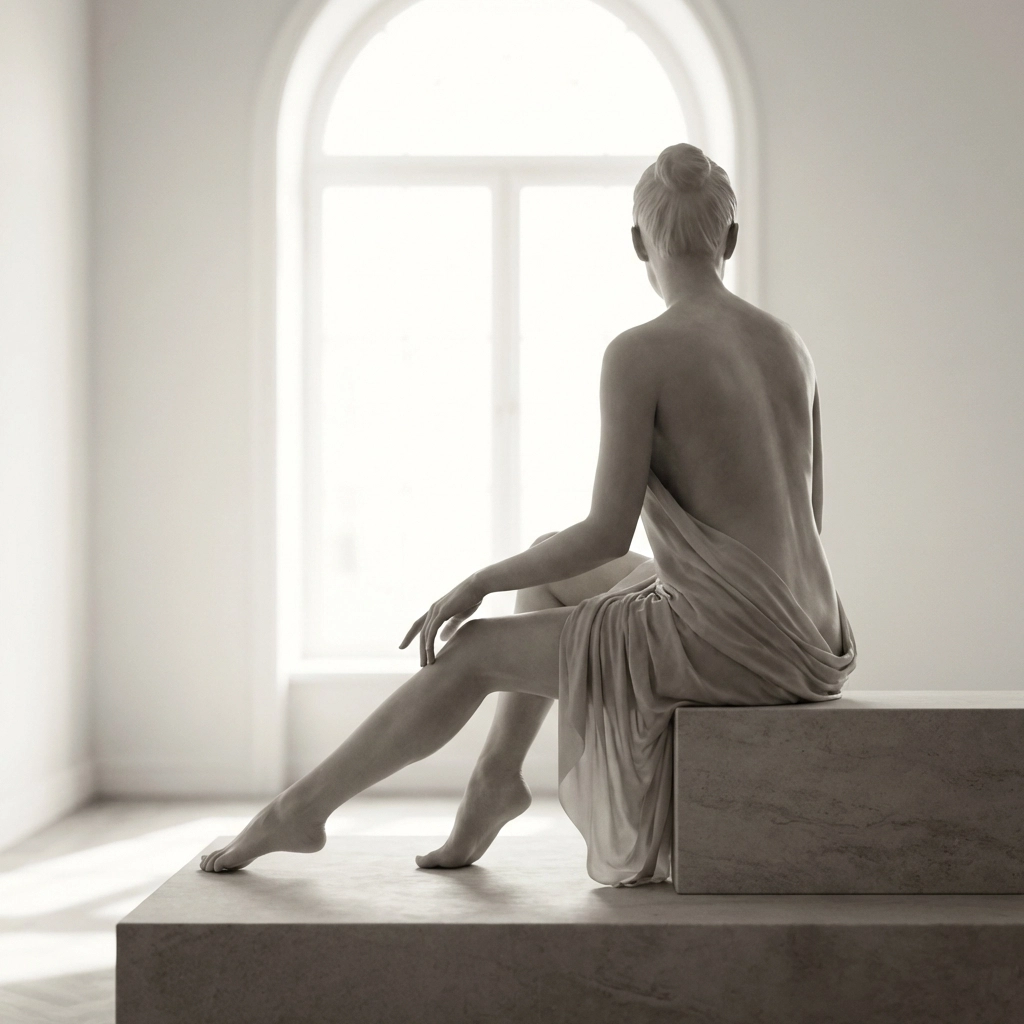
Don't just stand at eye level. One of the best ways to discover new shapes in fine art nude photography is to move your body.
- High Angles: Shooting from above can make the model look more delicate and can emphasize the curves of the collarbones and shoulders.
- Low Angles: Shooting from a lower perspective can make the model look powerful and statuesque. It's a great way to lengthen the legs.
- Macro Details: Sometimes the best "pose" isn't the whole body. Zoom in on the curve of a neck, the arch of a foot, or the small of the back.
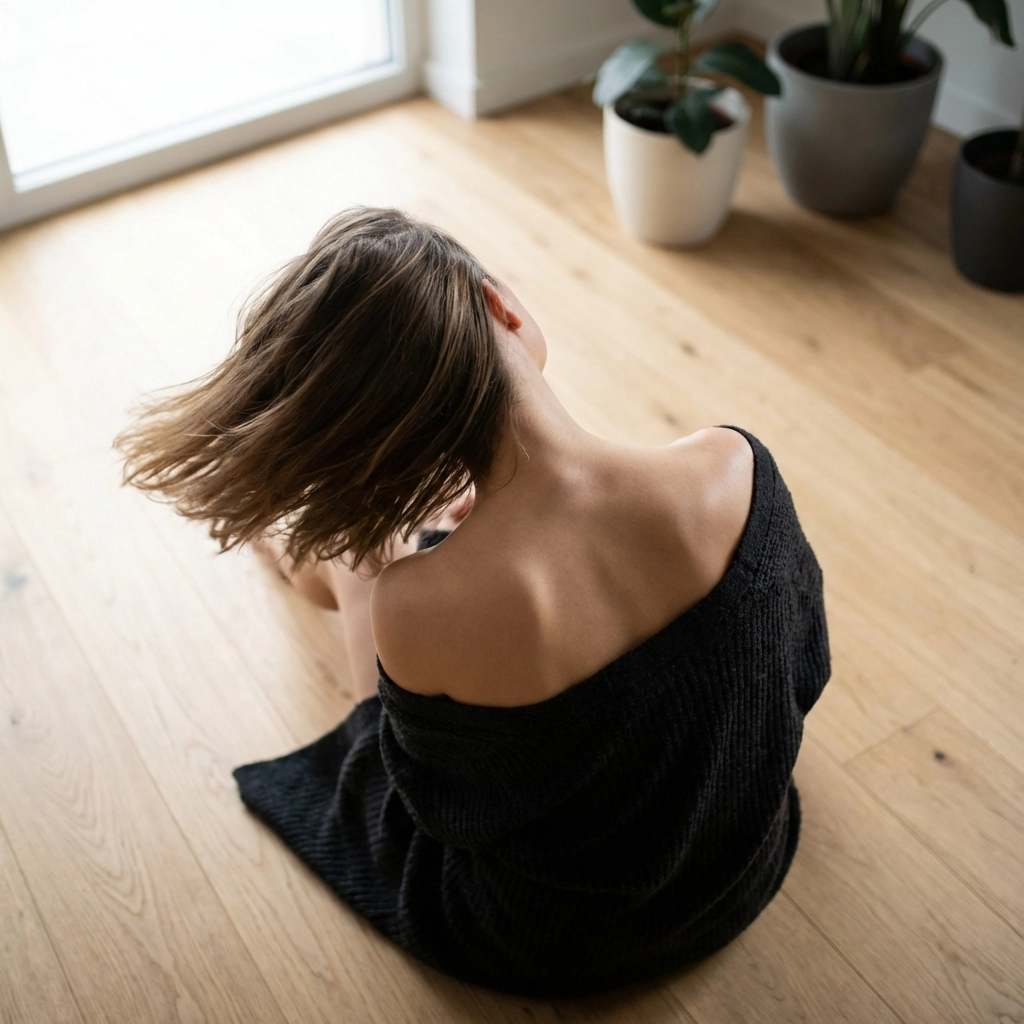
Post-Processing and the Artistic Touch
The shoot doesn't end when the shutter clicks. Post-processing is where you define your "Artistic Tone." Whether you prefer high-contrast black and white or soft, warm skin tones, your editing should enhance the pose you worked so hard to capture.
Remember, the goal of fine art is to evoke emotion. Every shadow should have a purpose, and every highlight should lead the eye toward the beauty of the subject.
As you continue your journey in this beautiful niche, keep experimenting. Posing is a language, and the more you practice, the more fluent you will become. Whether you are exploring the edges of erotic nude photography or keeping things strictly classical, the key is to stay curious and keep the respect for your subject at the heart of everything you do.
To dive deeper into the world of professional photography and connect with artists who share your passion, click here to sign up and become part of a club that celebrates the nude form in all its glory. Keep shooting, keep posing, and never stop capturing the details that make every model unique.