
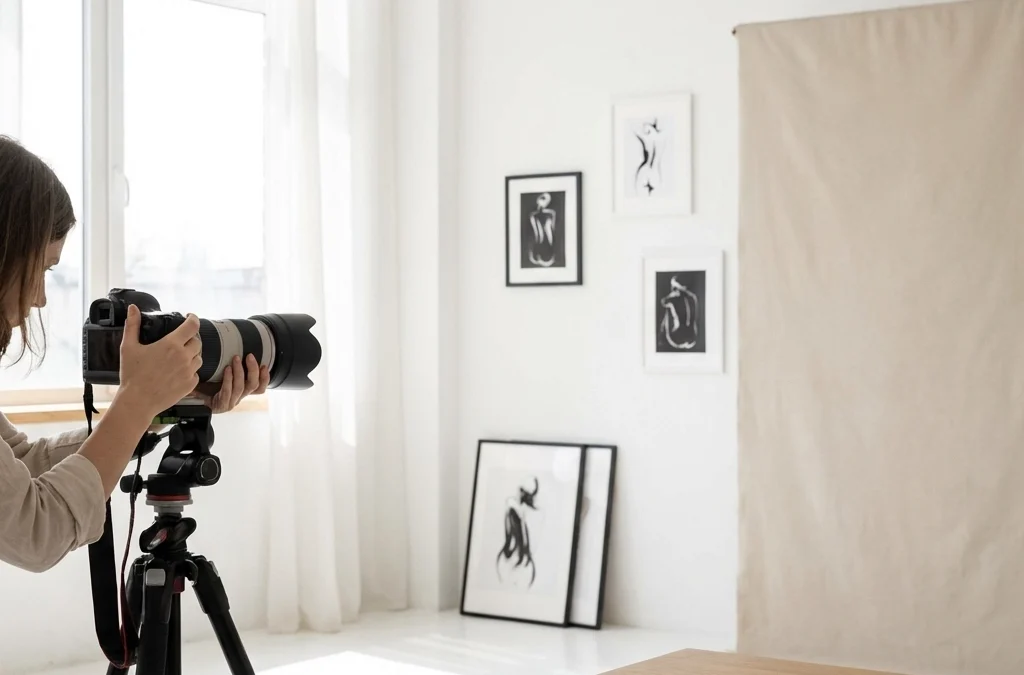
Fine art nude photography is one of the most challenging and rewarding genres in the world of visual arts. It requires a delicate balance of technical precision, creative vision, and deep respect for the human form. Unlike editorial or erotic photography, the "fine art" designation implies that the body is being used as a medium to express a specific concept, emotion, or aesthetic study of shape and light.
If you are just starting your journey into this world, the learning curve can feel steep. However, by mastering a few core principles: from pre-visualization to post-processing: you can elevate your work from simple snapshots to evocative pieces of art. At the Fine Art Nude Club, we believe that everyone has the capacity to capture the beauty of the human body when they have the right tools and mindset.
Understanding the Philosophy of the Nude
Before you ever pick up your camera or book a model, you must understand the "why" behind your work. Fine art nude photography is not about explicitness; it is about the interplay of shadows and highlights, the rhythm of curves, and the storytelling power of the skin.
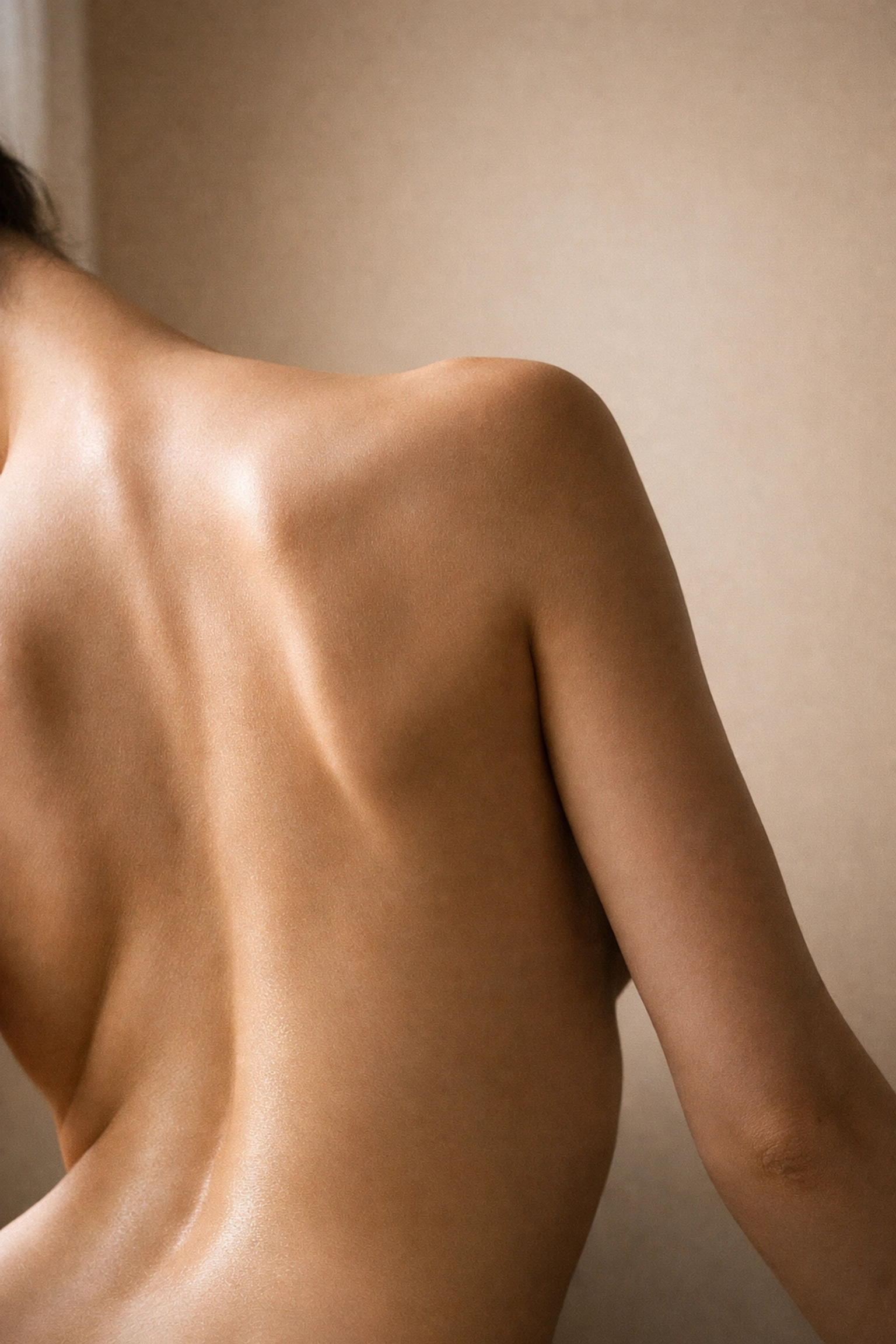
A successful fine art image often uses the body as an architectural element. You are looking for leading lines created by the spine, the negative space formed between an arm and a torso, and the way light wraps around a shoulder. The goal is to create a composition that invites the viewer to appreciate the aesthetic harmony of the subject rather than just the subject itself.
Essential Camera Gear and Technical Settings
While you don't need the most expensive gear to take a great photo, having the right tools makes the process much more intuitive.
Lens Selection
For fine art nude photography, prime lenses are generally preferred over zooms. A 50mm or 85mm prime lens with a wide aperture (f/1.4 to f/1.8) is ideal. These lenses allow you to create a shallow depth of field, which is essential for softening the background and keeping the focus entirely on the model's form or a specific texture of the skin. Using a wide aperture also helps in low-light studio settings, which are common in this genre.
Camera Settings
When shooting in a controlled environment, Manual Mode is your best friend.
- Aperture: Start around f/2.8 to f/5.6 if you want some detail, or f/1.8 if you want a dreamier, softer look.
- Shutter Speed: If you are shooting handheld, keep your shutter speed at 1/200 sec or faster to avoid motion blur. If you are using a tripod and your model is holding a static pose, you can go slower.
- ISO: Keep this as low as possible (ISO 100 or 200) to ensure your images are crisp and free of digital noise. Fine art photography relies heavily on clean gradients in shadows, and high ISO can ruin those smooth transitions.
Mastering Light: The Sculptor’s Tool
In fine art nude photography, light is your "chisel." It is what defines the three-dimensional quality of the body on a two-dimensional plane.
The Two-Softbox Setup
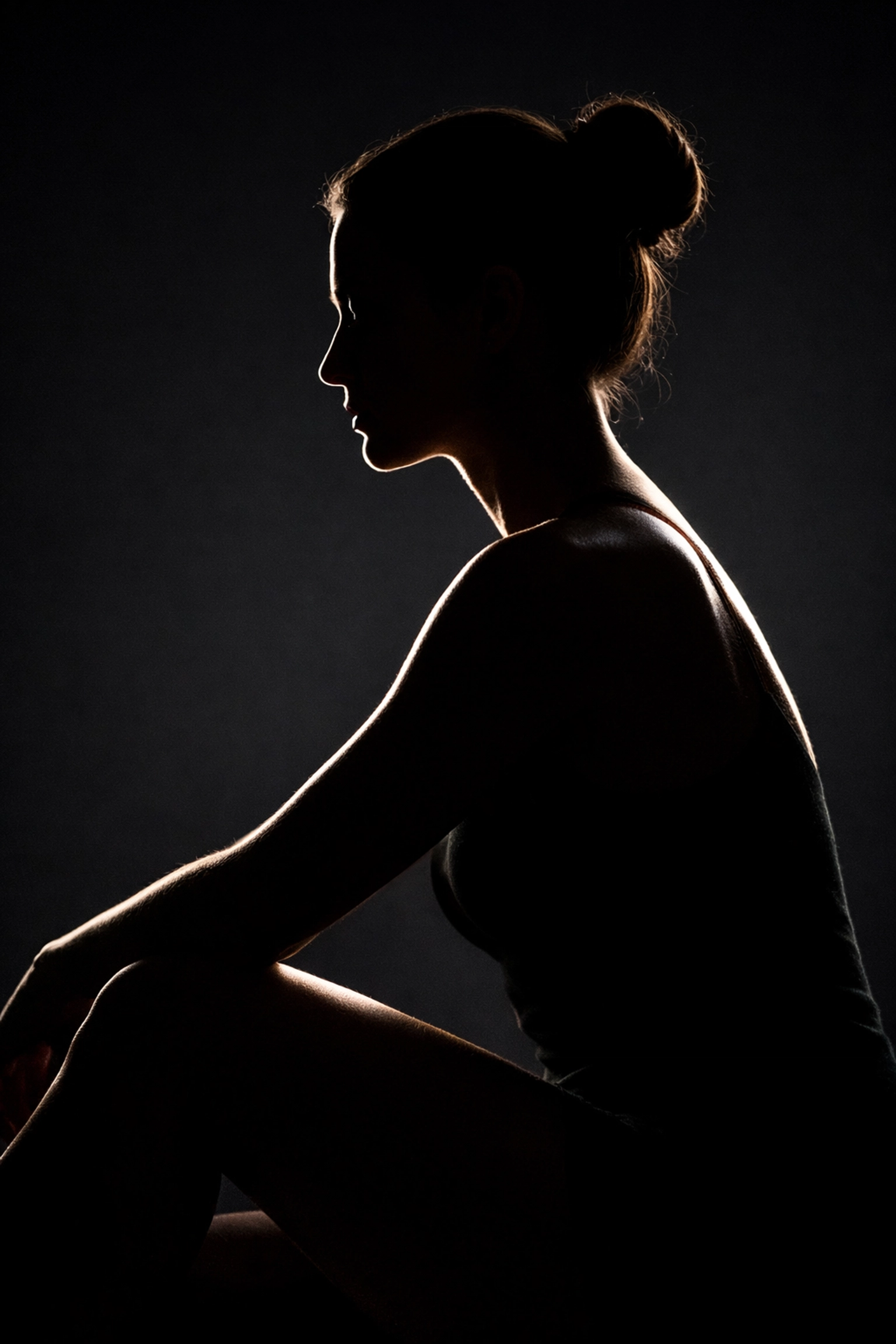
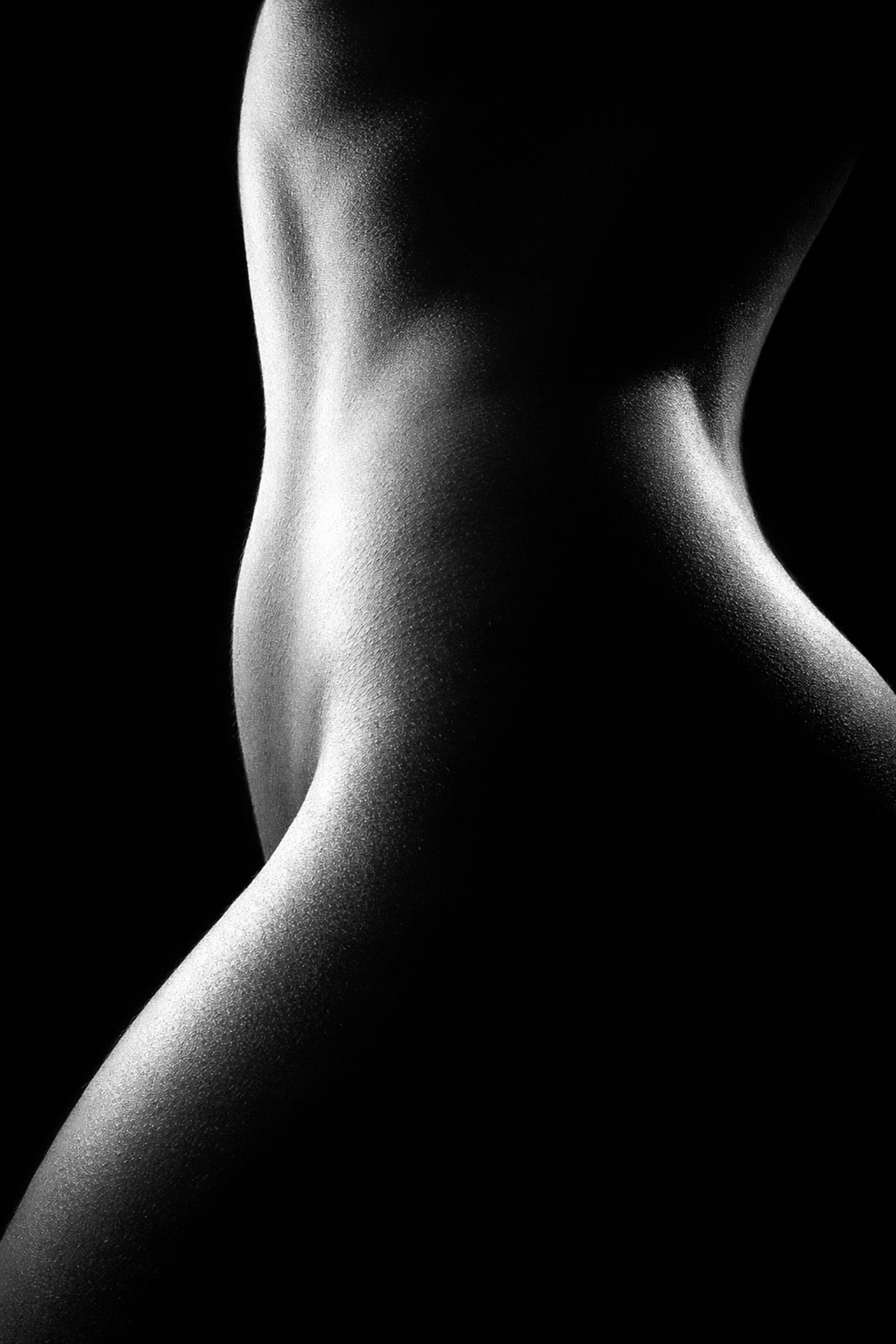
A classic starting point for beginners is using two softboxes. Place them on either side of the model, slightly behind them. This creates rim lighting (also known as edge lighting), which illuminates the silhouette and separates the subject from the background. This technique is particularly effective for "low-key" photography, where most of the frame remains in deep shadow, emphasizing only the most elegant curves of the body.
Natural Light vs. Studio Light
Many artists prefer natural light for its softness and unpredictability. Position your model near a large window with sheer curtains to diffuse the light. This creates a "wraparound" effect that mimics the classic look of Renaissance paintings. However, studio lighting offers consistency. If you want to learn more about specific lighting configurations, checking out a fine art nude tutorial can provide step-by-step visual guides on how to place your strobes.
Posing and Directing the Model
The relationship between the photographer and the model is the foundation of any great shoot. Communication is key.
Pre-Visualization
Never walk into a shoot without a plan. Use mood boards or sketches to show your model the types of shapes you want to create. This reduces anxiety for both parties and provides a clear roadmap. You can even rehearse poses while the model is still fully clothed to ensure the technical aspects of the lighting are working before the actual session begins.
Emphasizing Form
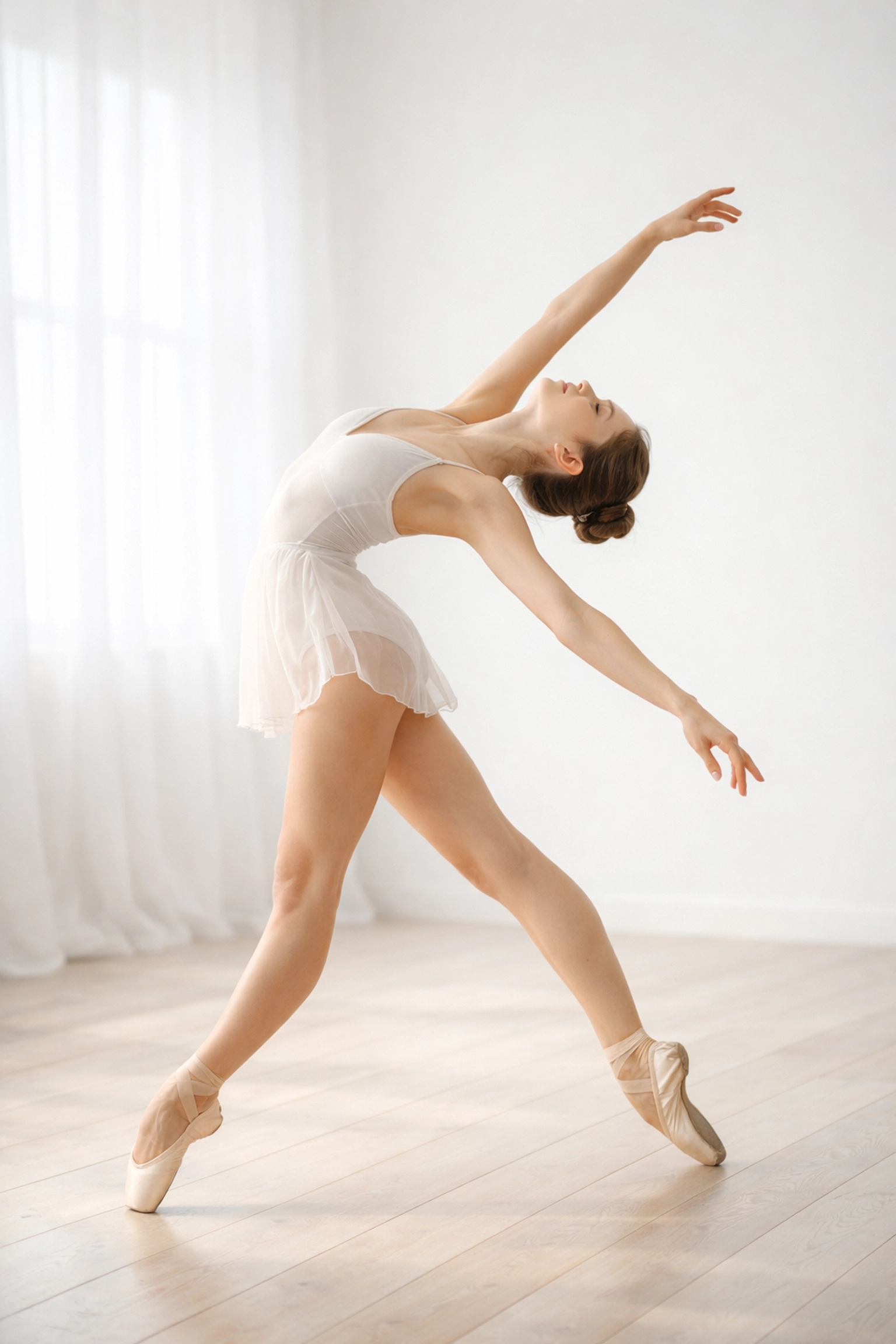
In fine art, we often move away from "standard" poses. Encourage your model to stretch, twist, or compress their body. A hunched back can reveal the beautiful structure of the vertebrae; a pointed toe can elongate the line of the leg. Pay attention to the extremities: fingers and toes should be relaxed and purposeful, never stiff or hidden awkwardly.
Composition and Negative Space
One of the biggest mistakes beginners make is filling the entire frame with the model. In fine art, what you don't show is just as important as what you do show.
The Power of Negative Space
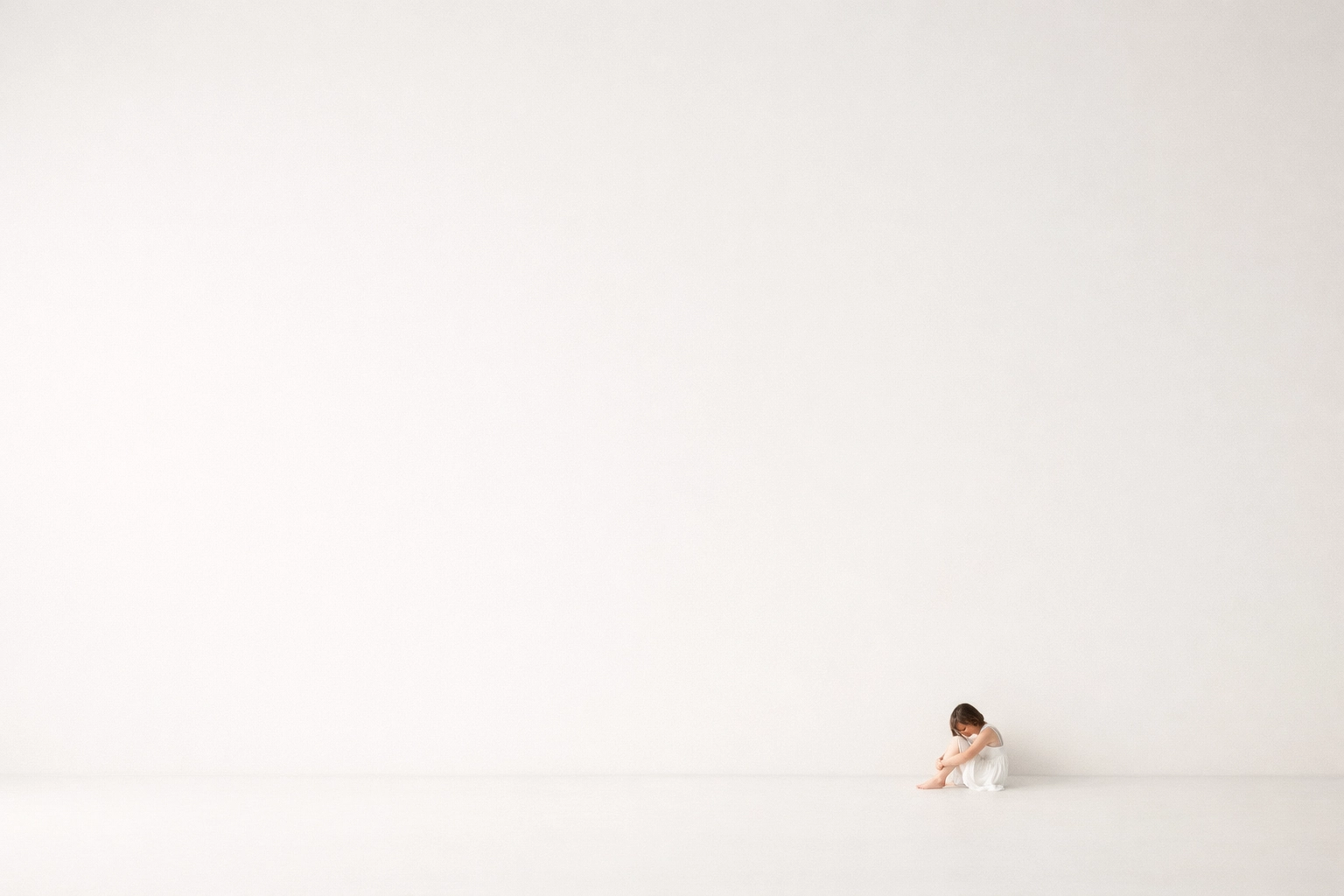
Negative space: the area around the subject: can be used to create a sense of isolation, peace, or drama. By placing your subject in a corner of the frame and leaving the rest in shadow or a neutral tone, you direct the viewer’s eye with much more intentionality.
Perspective and Angles
Don't just shoot from eye level. Get low to the ground to make the form look monumental, or use a ladder to shoot from above to create a more abstract, flattened perspective. Walk around your model constantly. Sometimes a shift of just a few inches can completely change how the light hits a curve, turning a mediocre shot into a masterpiece.
Post-Processing: The Final Polish
Editing for fine art is different from editing for fashion or commercial work. The goal is to enhance the natural beauty and mood, not to create an artificial "plastic" look.
- Contrast and Exposure: Use curves to deepen your blacks and brighten your highlights. This adds the "punch" that fine art images often require.
- Color Grading: Many fine art photographers prefer Black and White. Removing color allows the viewer to focus entirely on the light and shape without being distracted by skin tones.
- Subtle Retouching: Remove temporary blemishes or distracting elements, but keep the natural texture of the skin. Moles, freckles, and the natural grain of the skin add character and authenticity to the work.
Consistent editing across a series of images will help you develop a "signature style," which is vital for building a brand in the fine art world.
Building Your Portfolio and Growing Your Skills
Becoming an expert in fine art nude photography doesn't happen overnight. It requires constant practice and exposure to high-quality work. Analyzing how masters of the craft handle difficult lighting situations or complex poses is the fastest way to improve your own technique.
At Fine Art Nude Club, we provide a community and a resource hub for photographers who are serious about this art form. From exclusive galleries that serve as inspiration to technical tutorials that break down the gear and settings used by professionals, we are dedicated to helping you master the craft.
The human body is the ultimate canvas. Whether you are capturing the soft glow of morning light on skin or the dramatic shadows of a high-contrast studio session, every shutter click is an opportunity to create something timeless.
If you want AI-assisted inspiration for pose ideas, lighting prompts, or concept variations, test an external tool such as CandyAI before the shoot.
When you are ready to access full galleries and tutorials, complete subscription provisioning at Fine Art Nude Club sign-up.